The Business of Screenwriting: Trailer Moments, Set Pieces and Bits Of Business (BOBs)
You may have read countless screenwriting books. Attended seminars. Taken courses. But I doubt if you have stumbled across these three items in any tome related to the craft: Trailer Moments, Set Pieces, and Bits Of Business.
These may have come up in some other context, perhaps a newspaper or online article about the movie business, or a film producer’s memoir. But trust me, while these three may not appear in any best-selling screenwriting book, they are phrases you will hear from in the context of the script development process. Therefore, it behooves you to understand what industry types are referring to so you can keep up with the shorthand. Moreover, this trio is actually a helpful packet of concepts when it comes to crafting your stories because if a screenplay is, indeed, a blueprint to make a movie and these three narrative elements appear in every movie ever made, you should toss them into your creative mix with the usual suspects: acts, sequences, plot points, subtext, dialogue, and so on.
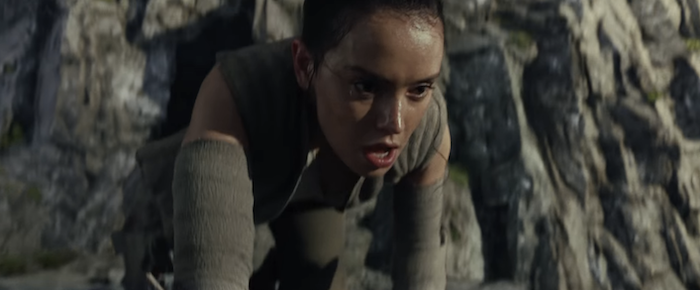
Trailer Moment: It is what it sounds like, a moment in a script which is so noteworthy, it is something worthy of inclusion in the movie trailer. This is a big deal. Perhaps no other sales device is more critical to a movie’s success than its trailer. And when the task at hand is to put together a trailer that conveys key highlights of the plot, characters, tone, mood and feel of the movie, believe me editors [at the behest of marketing execs] carefully study film footage looking for trailer moments. So when a producer or studio exec says to you about your script, “I’m looking for the trailer moments here, but just not seeing them,” you have a problem. Either you have what you think are trailer moments, but they aren’t written in a compelling enough fashion to come across as such, or you just flat-out haven’t mined your story for enough truly memorable movie moments. And while you may be focusing on story and character, they are thinking about how they are going to sell the movie. To do that, they need trailer moments. A smart screenwriter provides them.
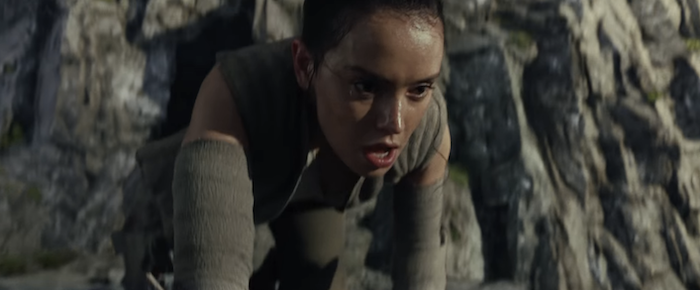
Set Piece: As far as I know, this is an old phrase dating back many decades in the movie business and technically refers to scenes or scene sequences which involve the location or construction of a big set. Think the chariot race in Ben Hur. That is a big ass set piece. Over time it has come to mean any substantial scene or sequence of scenes that is critical to the plot. The importance of set pieces can not be underestimated. I have never been able to find the actual quote, but I have heard that Irving Thalberg, Hollywood’s first great movie producer said something to the effect when talking to his stable of screenwriters at MGM, “Just give me five great set pieces… and I’ll give you a hit movie.” I like to think of it this way: Set pieces are what make movies… movies. They are cinematic and memorable. They are the scenes you most likely talk about as you exit the theater, what you discuss with your co-workers the next day at the water cooler, and as such are the foundation of by-word-of-mouth buzz, a critical aspect of marketing a film. For a screenwriter, if you’re looking for your script’s set pieces, check out your major plot points. Chances are they’re there. If not, maybe your script would benefit by making those scenes bigger and turning them into set pieces.
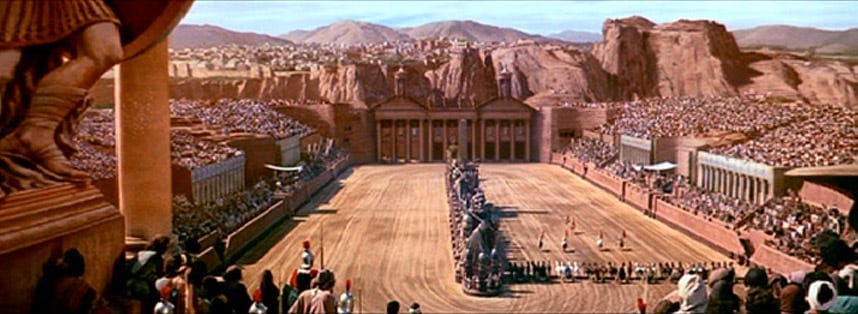
Bits Of Business (BOBs): This one confused me when I first heard it at meetings. “This scene could use… you know… a bit of business.” “This bit of business doesn’t work for me. Can’t you come up with a funnier one?” Basically as I have come to understand it, a BOB (my acronym) is the answer to the observation, “It needs something.” A BOB can be a line of dialogue that is called back a number of times. An interesting visual conveying humor, irony, or meaning. A clever plot machination. Essentially anything that elevates the experience of the moment while servicing the plot. Screenwriter Ted Elliott and Terry Rossio are experts at using BOBs and a great example of that is Pirates of the Caribbean: The Curse of the Black Pearl. Remember the recurring line of dialogue “Parlay”? That is a BOB. Servicing iconic images from the theme park ride such as the prisoners trying to lure the cell door keys from the dog? A BOB. When Jack and Will traverse the ocean floor while holding a row boat over their heads to provide an air pocket? BOB. Ragetti’s eyeball that keeps popping out? BOB. Elizabeth setting fire to all the rum on the island to create a smoke signal to lure a ship to rescue she and Jack? BOB. There’s hardly a scene in the original POTC that goes by where there isn’t a little or big Bit Of Business to spice up the plot. And spice is a good descriptor because BOBs do add flavor to a script.
So while you’re busy digesting this or that screenwriting guru’s story structure paradigm, don’t forget to keep in mind these three key movie concepts: Trailer Moments, Set Pieces and Bits Of Business.
The Business of Screenwriting is a series of Go Into The Story posts based upon my experiences as a complete Hollywood outsider who sold a spec script for a lot of money, parlayed that into a screenwriting career during which time I’ve made some good choices, some okay decisions, and some really stupid ones. Hopefully, you’ll be the wiser for what you learn here.
Comment Archive
For 100+ more Business of Screenwriting articles, go here.