1, 2, 7, 14
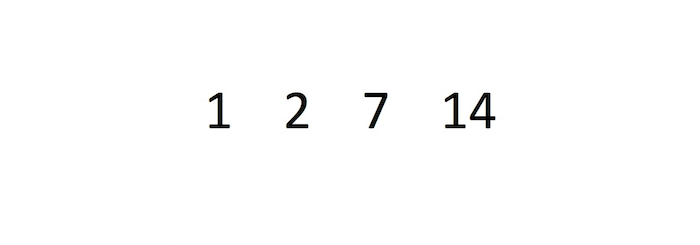
Here is a simple formula about three things — Read Scripts. Watch Movies. Write Pages. — you need to do to expand and deepen your understanding of the screenwriting craft.
4 numbers for you to remember:
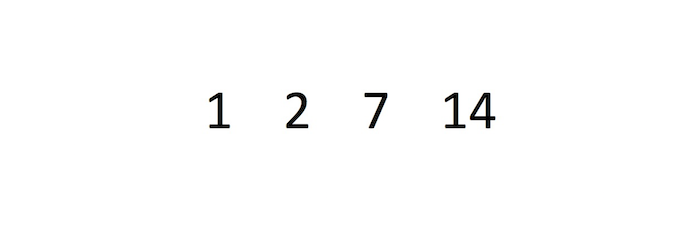
1: Read 1 screenplay per week.
Pick out your favorite movies. Or do a genre study of several scripts in a row in one genre. Try scripts in genres you don’t particularly like to experience different tone and atmosphere. But every week, read at least 1 full-length movie screenplay.
2: Watch 2 movies per week.
Go to a theater and watch 1 movie for sheer entertainment value. Rub shoulders with a real crowd to remind you of your target audience. Then cue up Netflix or pop in a DVD, and watch 1 movie to study it. Note its major plot points. Better yet, do a scene-by-scene breakdown. Maybe 1 new movie, 1 classic movie. But every week, watch at least 2 feature-length movies.
7: Write 7 pages per week.
That’s one page per day. It may take you ten minutes, it may take you an hour, but however long it takes, you knock out a page per day so that every week, you produce 7 script pages.
14: Work 14 hours per week prepping a story.
This is how you will learn the fine art of stacking projects. While you are writing one story, you are prepping another. Research. Brainstorming. Character development. Plotting. Wake up early. Take an extended lunch break. Grab a few hours after dinner. Stay up late. Whatever it takes, carve out 2 hours per day for story prep. Create a master file Word doc. Or use a spiral notebook. Put everything you come up with into that file. You’d be amazed how much content you will generate in a month. Most professional screenwriters juggle multiple projects at the same time. Here’s how you can start learning that skill-set: Writing one project, prepping another. Two hours per day so that every week, you devote 14 hours to prep.
1, 2, 7, 14.
Those are simple, clear goals. Daily goals, weekly goals.
If you do this, here’s what you will have done in one year’s time:
You will have read 52 screenplays.
You will have watched 104 movies
You will have written 2 feature-length screenplays.
Spread that out over 5 years: 260 screenplays, 520 movies, 10 original screenplays.
That means you could have read every one of the top 101 screenplays as voted by the WGA, plus 159 more.
That means you could have seen every one of the IMDB Top 250 movies, plus 270 more.
That means you could have written the exact number of original screenplays Lawrence Kasdan (Body Heat, The Bodyguard, The Big Chill, Grand Canyon) wrote before he sold his first one.
All by setting these simple goals: 1, 2, 7, 14.
UPDATE: And now Sergio Barrejón has translated this post into Spanish on his blog here.
Comment Archive