The Theology of Screenwriting: Purgatory
This week I continue to explore theological themes in relation to screenwriting, considering them metaphorically because in my view, we see these themes in movies all the time. By understanding them, we can use these theological themes to enhance the meaning and depth of our stories.
For background on the general subject, you may read this post here.
Today: Purgatory
The notion of an afterlife dates back to ancient civilizations. In Egyptian religion, for example, when a person died, their soul would travel to the Kingdom of the Dead. Some strains of ancient Judaism believed that deceased believers would go to a place of purification called Gehenna. But the idea of Purgatory is most closely associated with Catholicism.
According to the Catholic encyclopedia New Advent, purgatory is “a place or condition of temporal punishment for those who, departing this life in God’s grace, are, not entirely free from venial faults, or have not fully paid the satisfaction due to their transgressions.”
The root is the Latin word “purgare,” literally to make clean, to purify.
This concept of a place or condition wherein a visitor would go through a purification process is often associated with the image of fire.
“And I will put this third into the fire, and refine them as one refines silver, and test them as gold is tested. They will call upon my name, and I will answer them. I will say, ‘They are my people’; and they will say, ‘The Lord is my God.’” — Zechariah 13:9
“So that the tested genuineness of your faith — more precious than gold that perishes though it is tested by fire — may be found to result in praise and glory and honor.” — 1 Peter 1:7
And this:
“Behold, I have refined you, but not as silver; I have tried you in the furnace of affliction.” — Isaiah 48:10
I have tried you in the furnace of affliction. If we look at purgatory metaphorically, a circumstance in which the visitor must suffer in the “furnace of affliction” in order to transition to ‘Heaven,’ doesn’t that sound an awful lot like Act Two of most movies, at least those with a positive outcome?
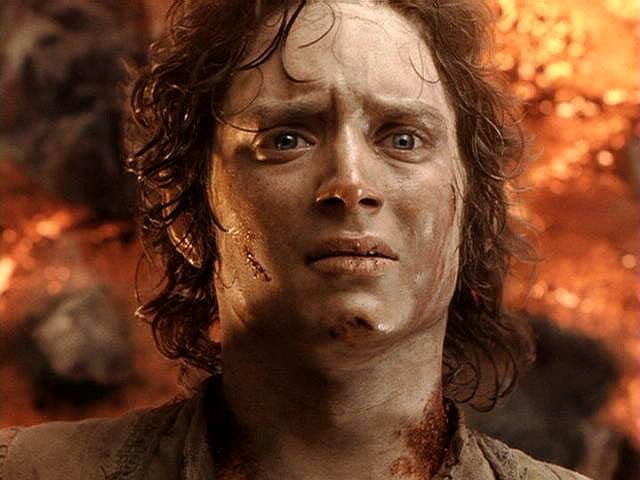
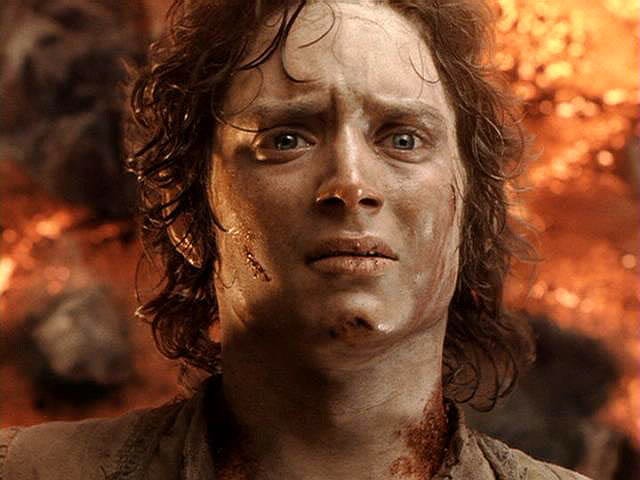
In The Lord of the Rings trilogy, Frodo’s journey consists of one test after another ending with a Final Struggle between he and Gollum against the backdrop of the fiery pits within Mt. Doom:
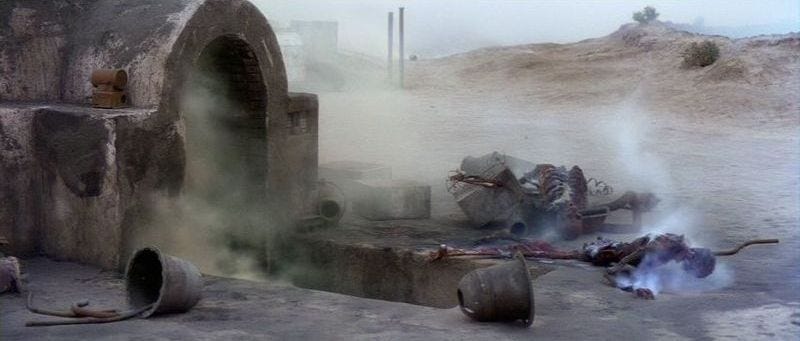
In Star Wars: Episode IV — A New Hope, Luke Skywalker begins his journey amidst the backdrop of smoke and flames, the deaths of his Uncle Owen and Aunt Beru:
Perhaps a more apt analogy for screenwriting would be Dante’s Inferno:
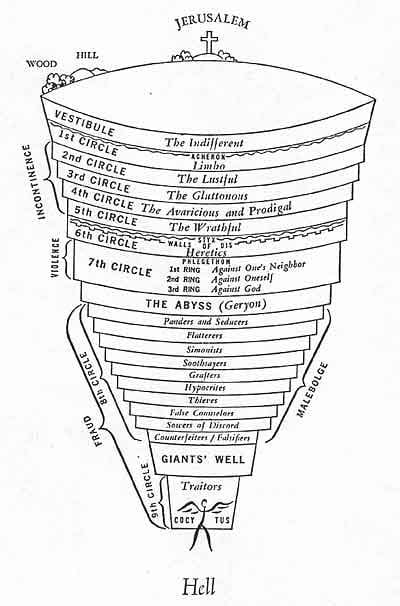
The levels of descent suggest the nature of increasing threat and opposition to a Protagonist on their journey. Consider the movie Inception:
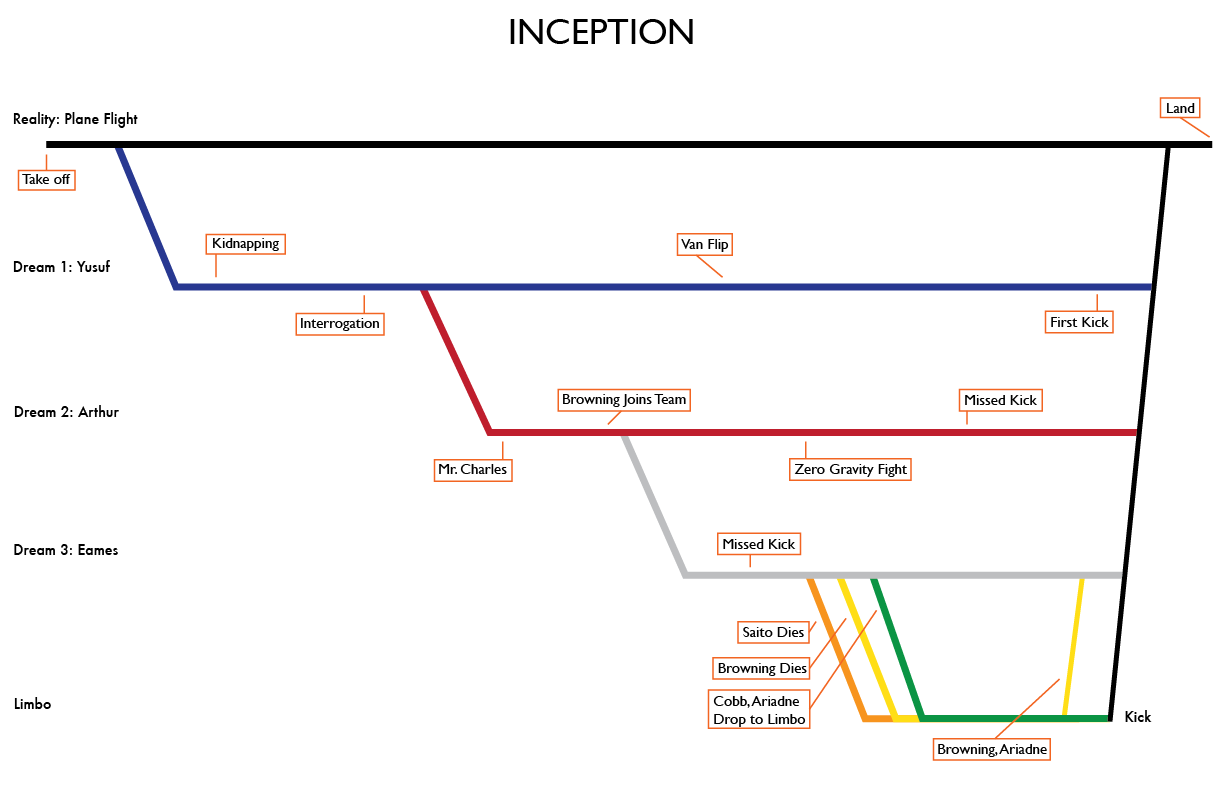
Deeper and deeper Cobb and his team go into the subject’s unconsciousness. For Cobb, each stage is another layer in his purgatory experience. After all, the ultimate state is called “limbo”.
It’s really quite logical. If a Protagonist begins a story in a state of Disunity and their end-point is a state of Unity, there is this middle part of tests, trials and tribulations which Deconstructs their Old Self allowing them to Reconstruct into a New Self.
We can think of that as Act Two.
We can also think of it as Purgatory.
For my entire Theology of Screenwriting series, go here.
Comment Archive