“Argo” and the tricky craft of adaptation
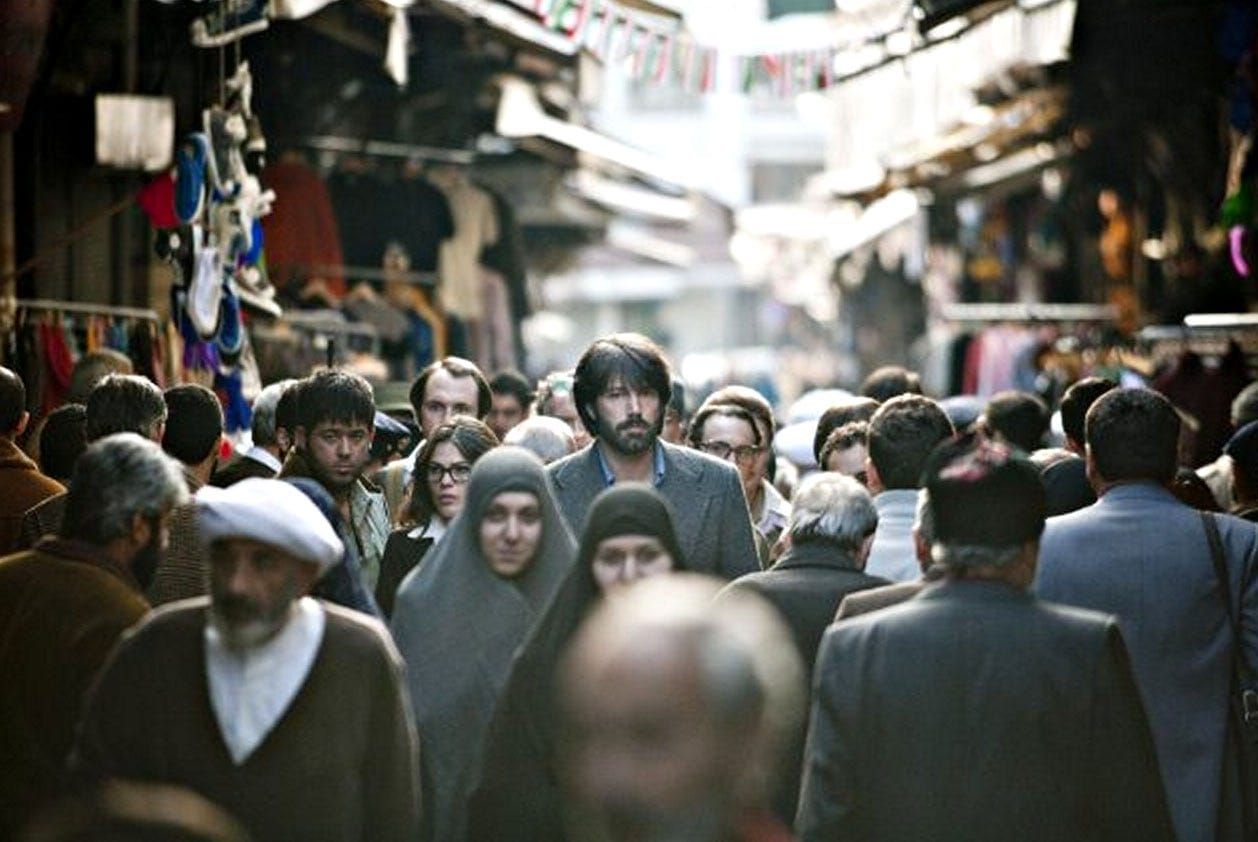
There’s an old saying in Hollywood about historically based movies: “Don’t let the facts get in the way of the story.” This is a tacit acknowledgement of two things: (1) Life doesn’t often play out like a movie, filmmakers needing to shape and mold events into a coherent narrative. (2) That narrative needs to be entertaining, so push comes to shove, it’s the facts that commonly get shoved.
A good example of this is Argo, a movie currently in movie theaters in U.S. and Canada. The film has started its run well, receiving a rare A+ Cinemascore rating and an 86 on Metacritic. That speaks to its entertainment. But what about the facts?
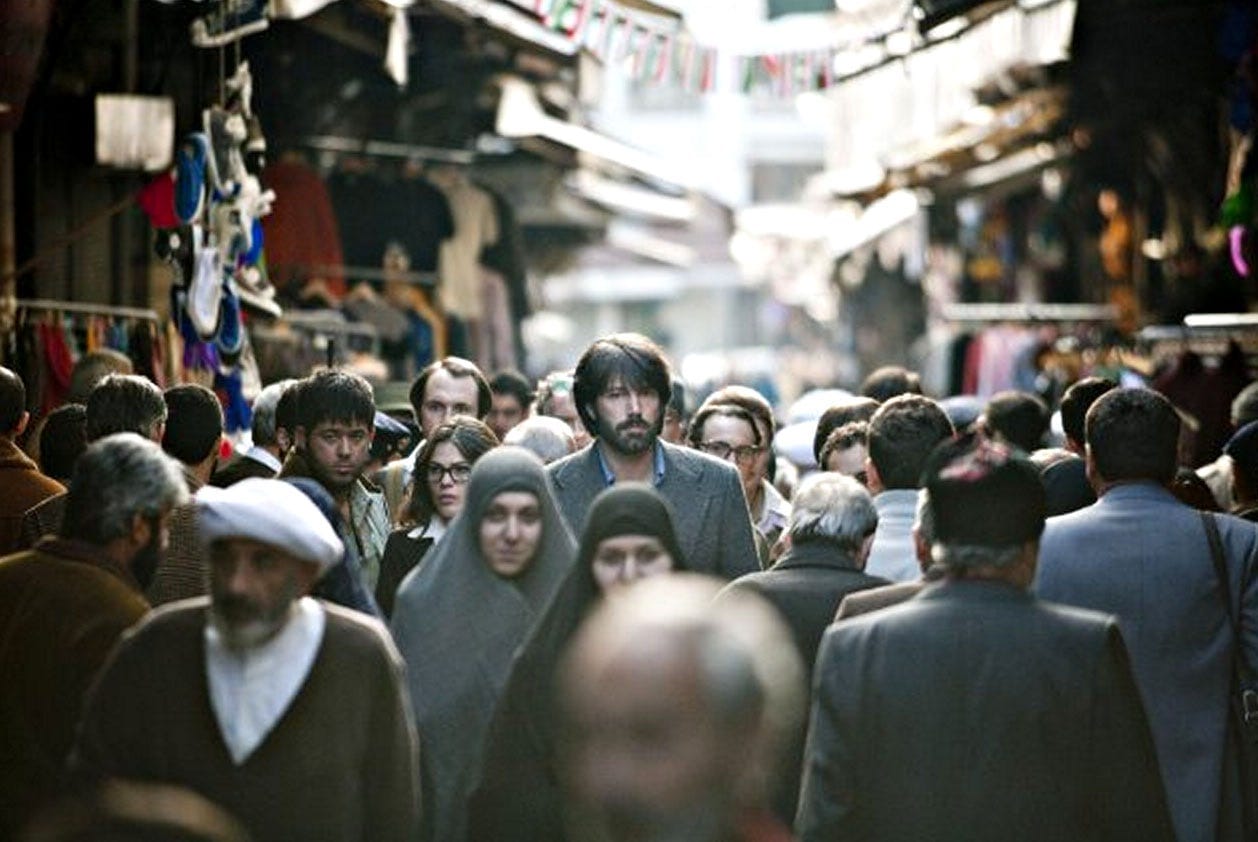
Movieline posted an article in which it featured comments by one of the actual 6 hostages involved in the amazing escape in Tehran in 1980:
Mark Lijek, who’s portrayed by Christopher Denham in Affleck’s awards contender, spoke out after attending the film’s L.A. premiere, giving his detailed version of events. And while there are strong parallels with the film, which began its release last week and has garnered Oscar buzz, the timeline of real-life events had some significant departures from the film, which Affleck starred in and directed.
There are some spoilers in the article, so I won’t post them here, but it is interesting to learn some of the details of actual events to see the challenges facing screenwriter Chris Terrio and director Ben Affleck. You may go here to read an interview with Terrio about precisely that point.
Takeaway: As writers, especially when adapting historically based stories, we need to find a balance point between what actually happened and what constitutes an entertaining narrative.
For more of the Movieline article, go here.
Plus this just posted on Indiewire: “‘Argo’ is Totally Inaccurate — Which is Why It’s Great”.
Comment Archive