Beau Willimon asks, “What does your Protagonist need?”
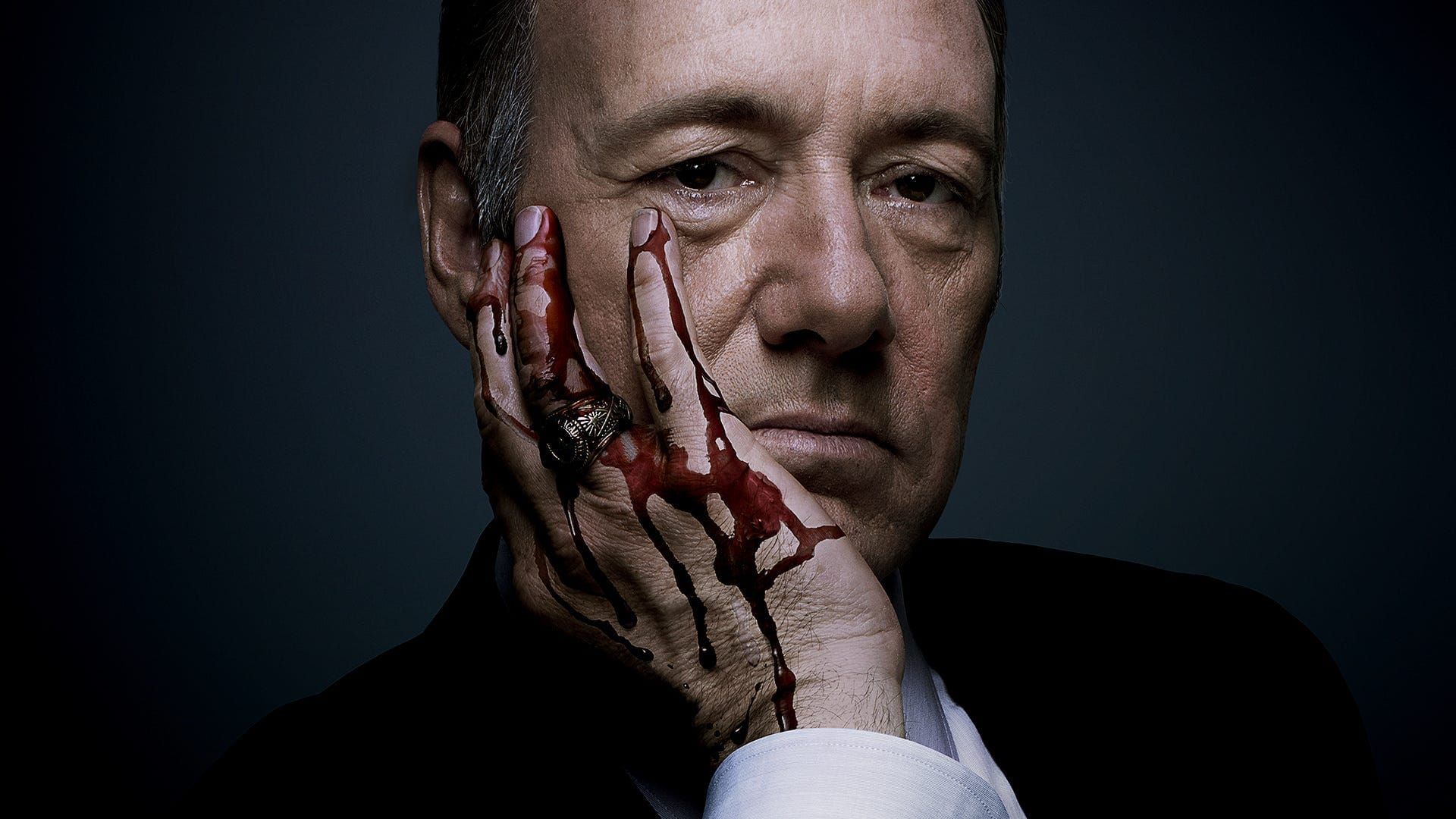
This past weekend, I was in NYC as one of the mentors for a Black List screenwriter mini-lab. Five talented writers who had posted scripts on the Black List site had been selected to participate: Arla Bowers, Hunter Burker, Joel Dorland, Ian McWethy, and Yvonne Paulin. The other mentors: Jessica Bendinger (Bring It On), Leslye Headland (Bachelorette), Michael Mitnick (The Giver), and Beau Willimon (House of Cards).
The process: Along with some social events together including the Black List Live! staged reading of the comedy screenplay “Big Time Adolescence,” the writers met one-on-one with each of the four mentors. Then from Noon-6PM on Sunday, I gathered the group of writers together to go through their stories and process what notes they had received.
It was a remarkable session. Five diverse writers with five distinctly different scripts and swirling heads full of feedback from the mentors, some observations common among the responses, many not. I steered each writer into and through a critique and brainstorming process, so that by the end, all of them had a narrative thread they could take home to begin their next draft process.
I was intrigued to hear how the other mentors operated, each of them providing valuable insights. For this post, I’d like to zero in on Beau Willimon’s approach. With each writer, he’d start off the session by saying, “Come on, let’s take a walk,” then off they’d go, traipsing around Greenwich Village. And here is what the focus of each of their forays was about, answering this question: What does your Protagonist need?
Frankly I was thrilled to hear this because I had planned to begin the group workshop process with each of the writer’s Protagonist and a big question early on in that process the very same one Beau asked:
What does your Protagonist need?
Why is this such a great tool to use in developing and shaping your story? Several reasons:
* In most mainstream and even indie movies, the Protagonist is the narrative’s central character.
* The Protagonist usually goes on some sort of physical / emotional journey.
* That journey creates the spine of the plot.
* The Protagonist’s goal almost always dictates the plot’s end point.
* All the other major characters are linked to the Protagonist and his/her journey.
* Of all the story’s characters, the Protagonist generally undergoes the most significant personal metamorphosis.
So it stands to reason when you prep a story, pound out a first draft, or go through the rewrite process, you have to focus on the Protagonist.
What do you think Frank needs?
The beauty of the question What does your Protagonist need is that it drives the writer beneath the External World, the screenplay’s realm of events, into the Internal World, the realm of emotions and meaning.
If that outer world represents the story’s physical journey, then the inner world is about the story’s psychological journey.
What a Protagonist wants will likely cause the narrative’s ultimate plot point to emerge. What a Protagonist needs is a way to determine the end point of the character’s psychological transformation. Not only that, it should indicate where the Protagonist begins their metamorphosis process. And if you have those beginning and end points, then you have the foundation for the character’s transformation arc.
Beyond that, the question What does your Protagonist need compels you to engage possible connections between the Protagonist’s metamorphosis and the events of the plot. They are not arbitrary events. In a perfect [story] world, each obstacle, each challenge, each test has a symbiotic relationship to the Protagonist and their transformation process. If you know what your Protagonist needs, and you have determined both the beginning and ending points of their arc, then as you craft each scene, set of scenes, or sequences, you can shape the events of the plot through the lens of the Protagonist’s metamorphosis, each significant event, no matter how big or small in scope, imbued with meaning through its linkage to the narrative’s psychological journey.
But all of that depends on you being able to answer the question: What does your Protagonist need?
It’s seemingly a simple question. However as Beau Willimon used it with each writer, he kept pressing them. They’d give a response, he’d say, “No, dig deeper… That’s not quite it, is it… Do you really think that’s it?” One of the writers said he probably went through 20 thoughts as to his Protagonist’s need until he landed on one that felt right.
This is a great object lesson. We can take this question — What does my Protagonist need? — and use it as a shovel, a pick axe, a sledge hammer, or whatever type of tool we need to burrow down deep into this critical character’s psyche. We are talking need in a profound, fundamental, even existential way.
What is at the core of this character’s psychological makeup? What energy or dynamic is roiling about way down deep in their psyche that yearns to emerge from the darkness into the light of consciousness?
What needs to become an active part of the Protagonist’s emotional and psychological life?
Ovid, who wrote “Metamorphoses,” said, “The seeds of change lie within.” Think of those seeds as representing what the Protagonist needs.
Seeds. Needs. Hm. Perhaps a pedagogical lesson there…
In any event, I have some additional thoughts about Protagonist need which I will go into in a post later this week. For now, you have an excellent takeaway courtesy of a gifted storyteller Beau Willimon. If you’re a fan of House of Cards, now you know where the show’s creator and showrunner comes from when assessing a script. He begins with a question:
What does your Protagonist need?
More to come on the subject in the next couple of days.
Comment Archive