Character Archetypes: “The Apartment”
Over the years, I’ve analyzed dozens of movies through the lens of five primary character archetypes: Protagonist, Nemesis, Attractor, Mentor, Trickster. This is my theory, that most movies have these five narrative dynamics at work in them:
A character or characters with a conscious goal toward which they are moving forward: Protagonist.
A character or characters who provide an oppositional force: Nemesis.
An ally who is most connected to the Protagonist’s emotional development: Attractor.
An ally who is most connected to the Protagonist’s intellectual development: Mentor.
A character who switches from ally to enemy, enemy to ally, and tests the will of the Protagonist: Trickster.
We see this set of narrative dynamics in movie after movie after movie, enough to suggest there is a pattern at work here. So this week, a series on these five character archetypes in movies.
Today: The Apartment (1960), written by Billy Wilder and I.A.L. “Izzy” Diamond.
IMDb plot summary: C.C. Baxter, insurance clerk and only a face in a crowd of 30,000 employees, has a little problem: He can’t use his own apartment. Since he once lent out his key to one of his superiors and his mistress, this custom has spread ever since. Now, different superiors from different departments take his place for their tête-à-têtes. Being promised not to be forgotten when it comes to shifts in personnel, C.C. Baxter swallows his anger — until he finds out that the mistress of Mr. Sheldrake, the company’s boss, and his recent flame, Fran Kubelik, are the same person. And they are using his apartment! Although Baxter has not been forgotten personnel-wise, the attempted suicide of Fran in his very own bed makes him think.
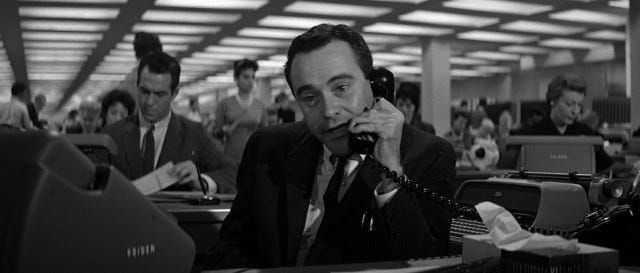
Protagonist: C.C. Baxter (Jack Lemmon)
Baxter is a lonely worker bee in a huge skyscraper office filled with other worker bees. In order to climb the corporate ladder, he has agreed to allow a quartet of company managers to use his apartment for their extramarital trysts. He is found out by corporate President Jeff Sheldrake (Fred MacMurray) who instead of firing Baxter, requests the use of the apartment for his own affair.
Because of his compliance with Sheldrake’s ‘offer,’ Baxter gets his cherished promotion. However the sheen is taken off the new gig when he discovers Sheldrake’s paramour is none other than Fran Kubelik (Shirley MacLaine), the object of Baxter’s hidden ardor.
Disunity: (1) Baxter rents an apartment which due to an escalating set of circumstances is one he shares with five other men and their lovers. (2) He is a decent fellow living in an indecent situation. (3) The neighbors think Baxter is the guy partying down with all those women who pass through his apartment. (4) He is attracted to Kubelik, but has never worked up the nerve to approach her about his feelings.
The existential core of his Disunity is this:
What does he want: To rise up the corporate ladder to success.
What does he need: The self-respect to reject corporate values and live on his own terms.
Nemesis: Jeff Sheldrake (Fred MacMurray)
Since Baxter’s want (Conscious Goal) is to climb the corporate ladder, Sheldrake as the President of the company for which Baxter works represents the pinnacle of success. As such, he is a reflection of Baxter’s shadow, his dark impulse that puts the desire for achievement above his own conscience — why else would he allow himself to be used by four company managers, then Sheldrake to have access to Baxter’s apartment for their affairs in exchange for a job promotion?
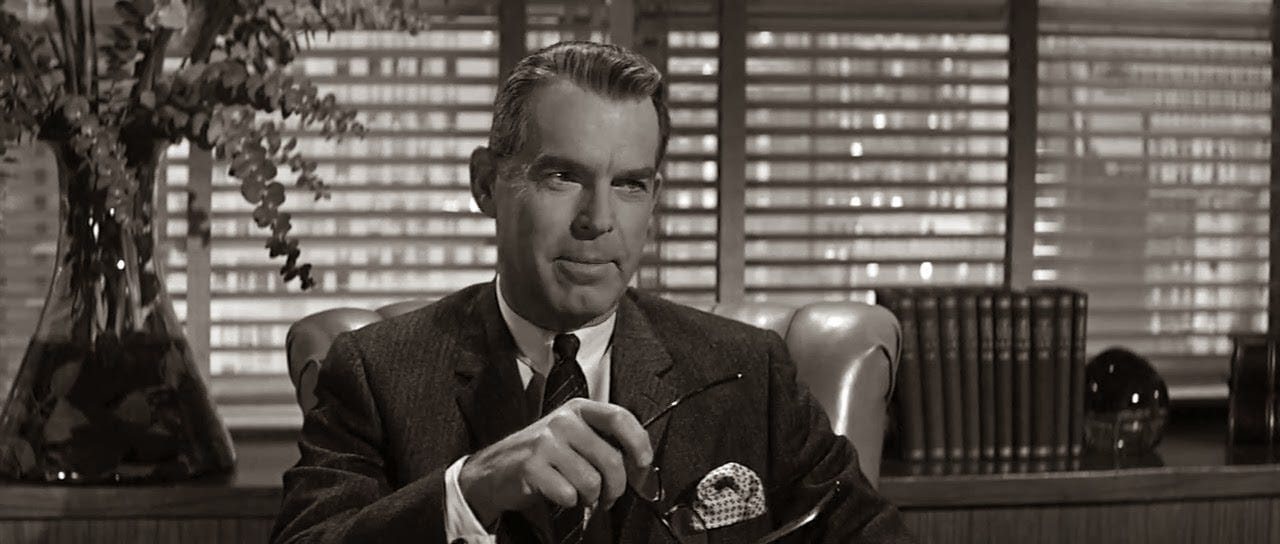
Once Baxter discovers Fran Kubelik, the woman for whom he has romantic feelings, is Sheldrake’s mistress, the story’s dynamic crystallizes: Will Baxter squash his desire to connect with Kubelik in order to feed his goal of being a success at work? Initially he does. Once Kubelik attempts suicide and stays at Baxter’s apartment to recuperate, giving him time to get to know and fall in love with her, his perspective shifts. He may fantasize about being with Kubelik, but as long as she is with Sheldrake, romance is not going to happen — so in that respect Sheldrake provides opposition to Baxter.
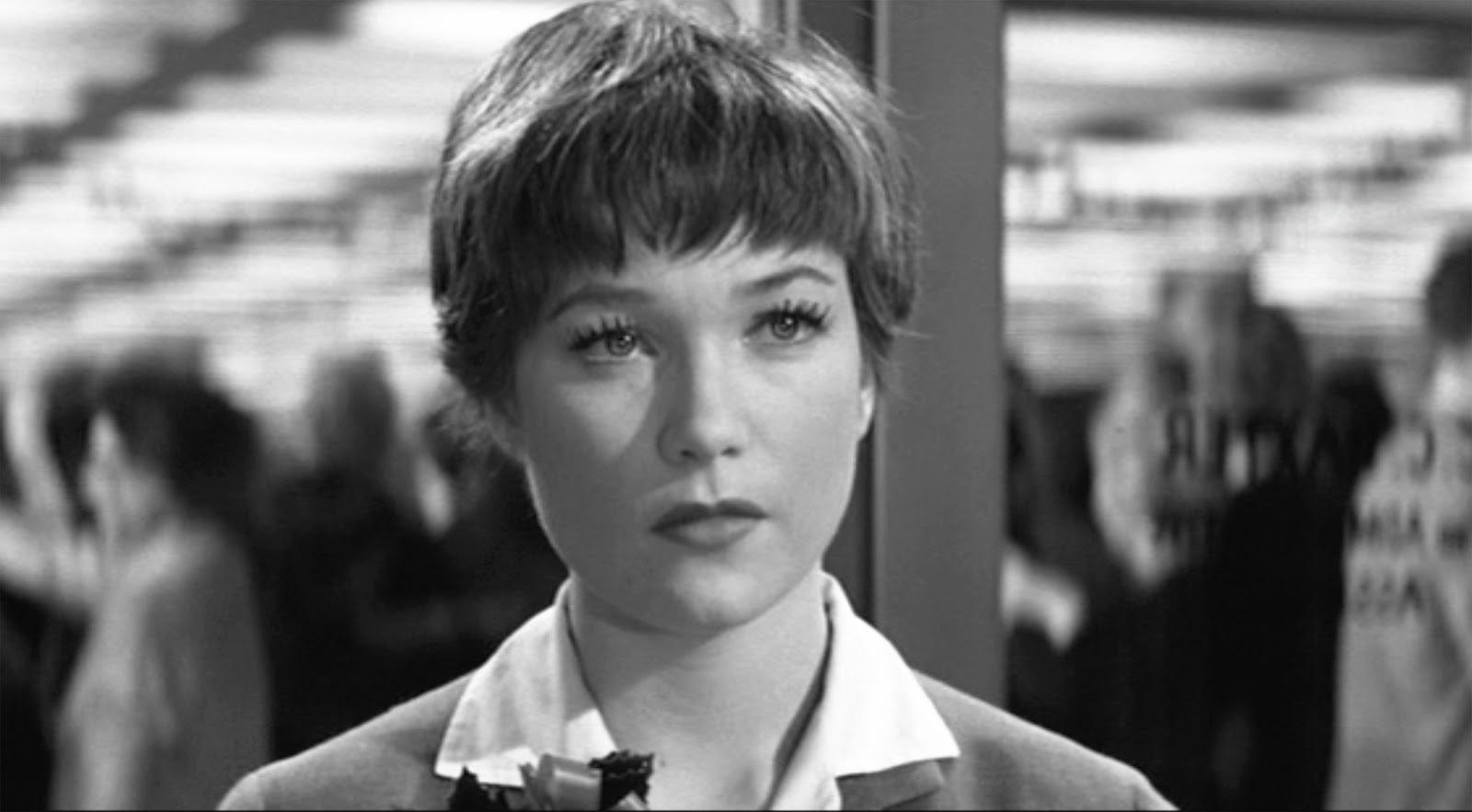
Attractor: Fran Kubelik (Shirley MacClaine)
Fran Kubelik evolves in Baxter’s experience, moving from a romantic fantasy he can only imagine from afar to a flesh and blood human he gets to know intimately while caring for her after her suicide attempt. The effect of falling in love with her reorients his world view, eventually empowering him to quit his job. Once Kubelik realizes how much she means to Baxter, she finds her own strength to end her affair with Sheldrake and be with a man who loves her for who she is.
Mentor: Dr. David Dreyfus (Jack Kruschen)
Dr. Dreyfus not only serves as a Mentor in saving Kubelik’s life, he provides a key piece of wisdom to his next door neighbor: “Why don’t you grow up, Baxter. Be a mensch… a human being.” This advice becomes the cornerstone of Baxter’s decision to quit his job when he tells Sheldrake, “Just following doctor’s orders. I’ve decided to become a mensch. You know what that means? A human being.” In other words, Dreyfus provides Baxter the intellectual wherewithal to respond to his inner need.
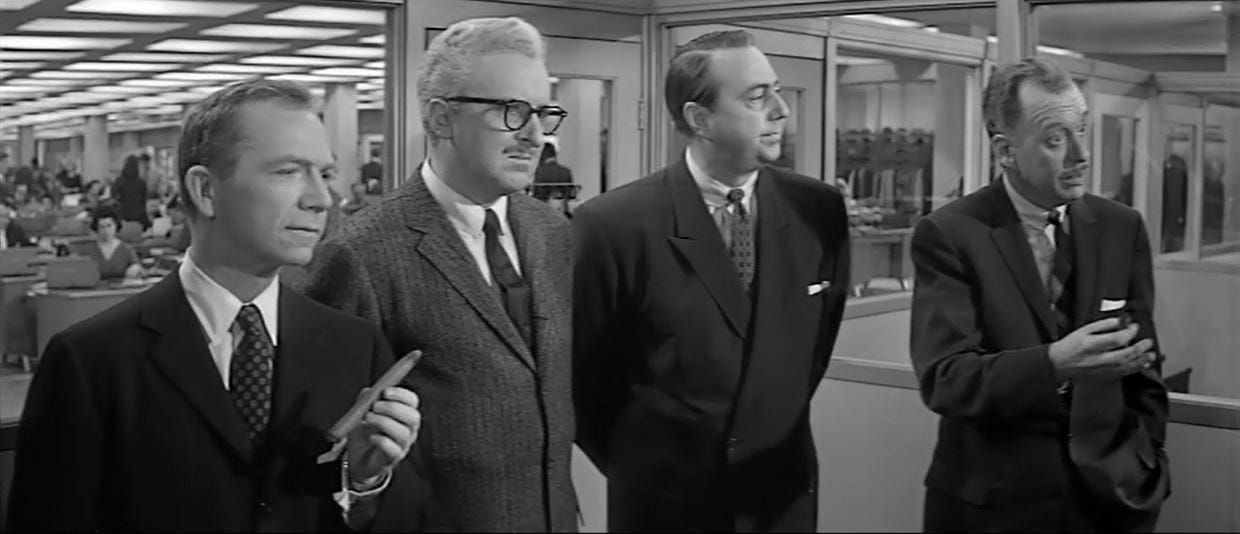
Trickster: Dobisch, Eichelberger, Vanderoff, Kirkeby
This quartet of creeps manipulate Baxter to use his apartment for their trysts while tantalizing him with offers to put in a good word for him “promotion-wise.” Once Baxter helps Sheldrake with his affair and gets bumped up to middle management, the four lotharios turn against Baxter, eventually providing information to Fran Kubelik’s brother-in-law, who accosts Baxter over what he perceives to be Baxter’s improprieties with Kubelik — a penultimate test of character before the Final Struggle.
After finding Kubelik in his apartment, passed out from a suicide attempt over her inability to break off the relationship with her married lover Sheldrake, Baxter watches over the young woman for a few days as she recuperates. In their time together, Baxter secretly communicates by phone with Sheldrake, continuing to do his boss’s bidding, but finds himself falling in love with Kubelik. Things come to a head when Sheldrake, who has been kicked out by his wife, intends to resume his affair with Kubelik.
Final Struggle: Will Baxter give in to Sheldrake in order to keep his job? No. Baxter quits, thereby turning his back on his want (corporate success) and embracing his need (self-respect). His metamorphosis has taken him from worker bee to independent spirit finally in touch with the decency that lies at the heart of his Core Of Being. His choice is rewarded by the surprise appearance of Kubelik, their romance initiated, and his move toward Unity blessed by the story gods.
“Shut up and deal.”
This is just one many movies which reflect these five primary character archetypes. That said, I am not suggesting this is the only way to approach writing a screenplay. There is no right way to write. Every writer is different. Every story is different. All I am suggesting is there is something going on here about this specific set of narrative dynamics as exhibited in the form of character types. And they can be a huge help for writers as we engage our characters, their interrelationships informing our story-crafting and plotting process.
What are your thoughts? Head to comments and let me know what you think.
Tomorrow: Another movie analyzed through the lens of character archetypes.