Conscious Goal and Unconscious Goal
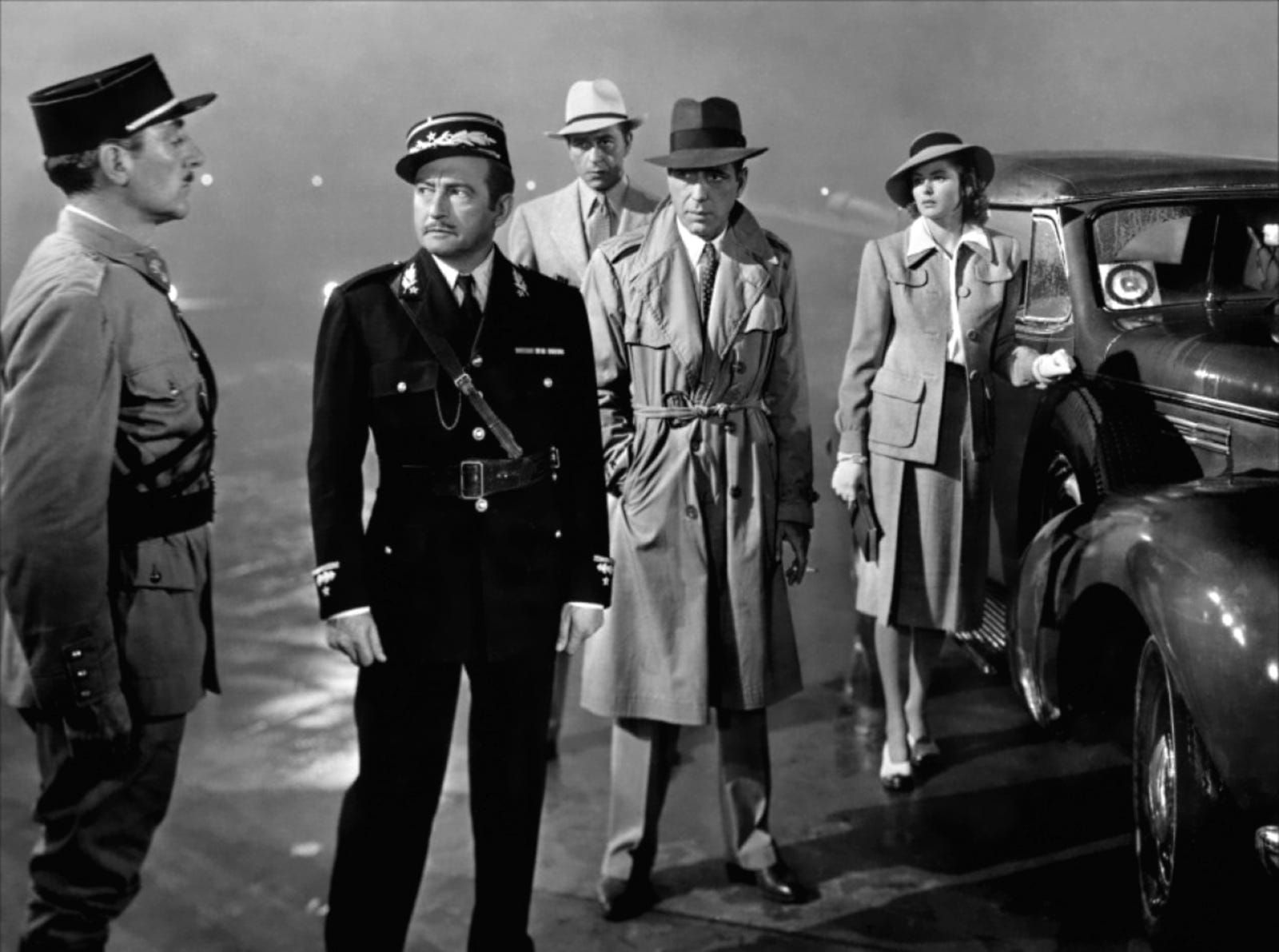
An interesting discussion arose from this post the other day on the question how to raise the stakes in a plot. I suggested one way was to track a shift that often happens with a Protagonist — from Want to Need — and one of the movie examples I cited in my analysis was Casablanca.
matthewkane noted this in comments:
This is a reason for the romcom trope of one or both of the romantic leads to have no interest in romance until the midpoint. When romance complicates the original goal, it ups the stakes. Though it’s usually good to add another complication at the same time to stretch the rack tighter from both directions.
My response:
Matthew, your point illustrates why I oftentimes think of character work this way: Want and Need can refer to the generalized state of what a Protagonist brings into the story at its beginning. By the end of Act One, they have may have crystallized things into a Conscious Goal, a specific target they have in mind, and an Unstated or Unconscious Goal, a specific psychological end point that emerges from their inner world.
So for example, Rick in Casablanca:
The Want he brings into the story is to be left alone to run his business so he can busy himself with avoiding dealing with the pain of the past (associated with his loss of Ilsa).
Since that way of being has led him to isolationism, the Need he brings into the story is to break out of his cynicism.
In Act One: Enter Ilsa, Victor Laszlo, and the letters of transit. How does this sharpen his Want and Need?
Conscious Goal: Determine what to do with letters of transit.
Unconscious Goal: Confront pain of the past [when Ilsa rejected him] and resolve that relationship.
In dealing with those new narrative elements — letters of transit, Ilsa, Victor — Rick goes on his own psychological journey resulting in the classic ending we all know and love.
I also should note, per the language of Michael Arndt (screenwriter of Little Miss Sunshine, Toy Story 3) who says a great ending must answer a philosophical question, Rick confronts an existential choice: Cynicism or Idealism? He opts for the latter, choosing to ‘sacrifice’ his love for Ilsa for the greater good, represented by Victor’s work as a freedom fighter.
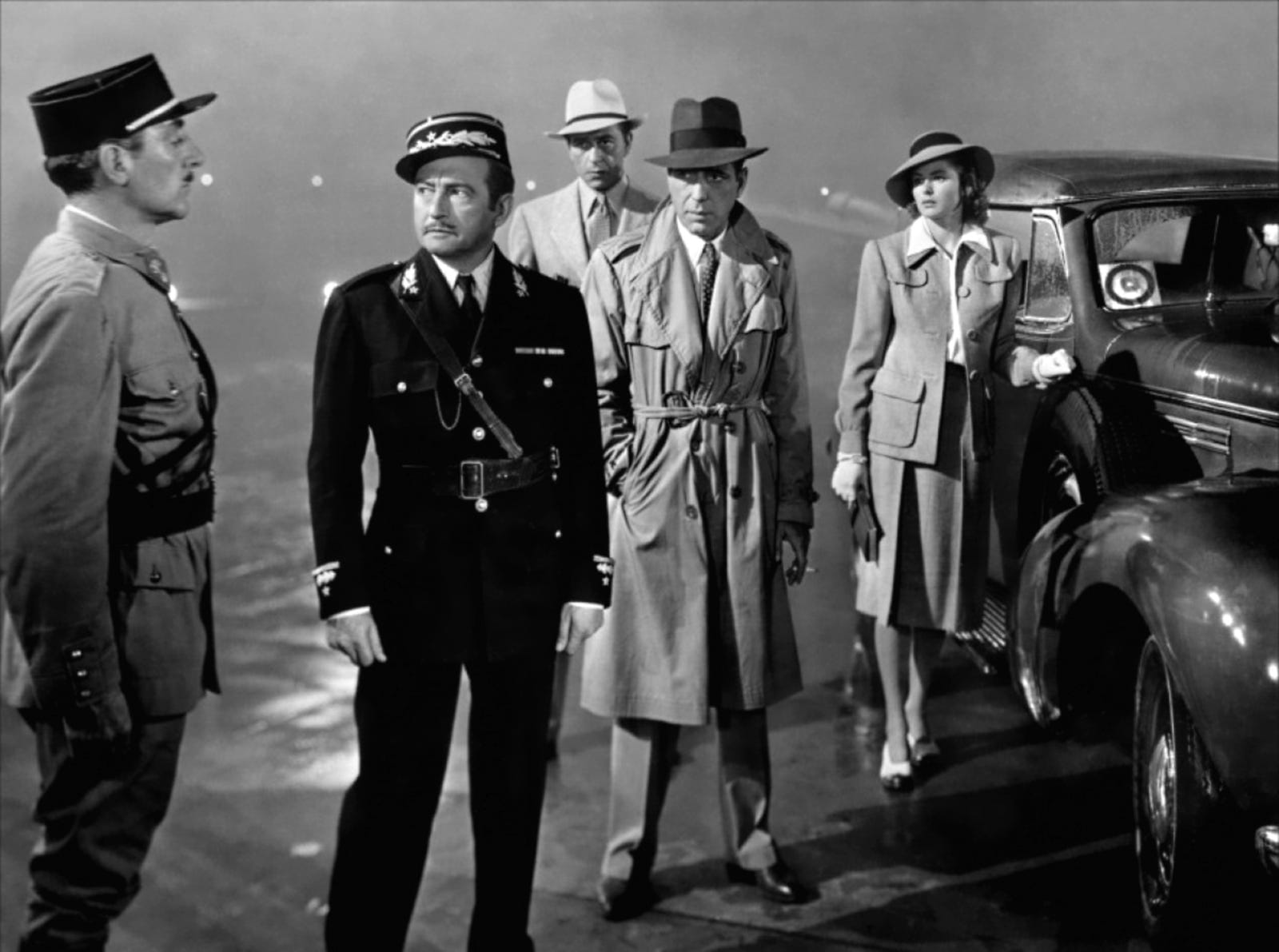
Per your observation about romcoms having “no interest in romance until the midpoint,” it’s interesting to note that the Paris flashback sequence doesn’t happen in Casablanca until the middle of the movie (in a commonly available 127 page version of the script, the sequence ends at P. 61). That flashback represents the very first time we’ve seen what the romance between Rick and Ilsa had been, and understand how and why Rick has been so badly hurt on an emotional level when it ended. So even though not a romcom, your point is relevant to Casablanca.
The usual caveats: This is all psychological language which is in a way ‘artificial’ when applied to a story, organic by its very nature. Some writers may benefit from using these tools — Want, Need, Conscious Goal, Unconscious Goal — others may not. Our goal is to create living, breathing characters in a living, breathing story universe. We do what we can do to get there.
But in my teaching, often I find writers benefit from honing in on a Protagonist’s Conscious Goal and Unconscious Goal at the end of Act One as it sharpens their understanding of their story’s structure and the nature of the Protagonist’s metamorphosis.
Comment Archive