Dispatch From The Quest: Miranda Sajdak
Over the course of the 24 weeks I am working with the writers in The Quest, each will write a weekly dispatch to share with the GITS community. There are several reasons for doing this, the main one educational: Hopefully you will learn something of value for your own understanding of the craft from the experiences of the Questers. I should also add they are a great group of people, so I expect you will enjoy getting to know them.
Today: Miranda talks about theme in its simplest forms:
This week, we’re focusing on theme. Theme is definitely a topic I’m familiar with, and also one I really love. When reading scripts or stories, depth is probably one of the most important factors that elevates an idea beyond the basics of plot. Finding that depth is often linked directly with developing a story’s themes.
In this week’s lectures, we explored different ways to highlight theme through writing — through a talisman, a repeated motif, or even a single moment. At the beginning of our journey, Sandy and I sat down to evaluate what moment we thought would represent our characters’ journey best. We managed to come up with something that truly encapsulates the theme, the tone, and the story in a single image. Combining our ideas in that arena really helped solidify what the themes are in our story, and helped us when writing this week’s exercises.
I can’t believe we’ve already hit September, and we’re getting more and more excited as each week passes. Excited to get those words out on the page, and even more excited to see what each new week will allow us to discover about our characters, our stories, and our journey as writers.
Miranda’s dispatch reminds us of something important: A good theme, either a central or sub-theme, should be easily explicable. The relationship between the characters can be complex, but at the core the dynamic that exists is almost always something we, as writers, can pin down in a line or two. For example:
* Casablanca: Rick’s metamorphosis is about him rediscovering his idealism beneath the thick skin of his cynicism.
* The Wizard of Oz: Dorothy must learn that her home in Kansas really is a home.
* Tootsie: Michael discovers he was a better man as a woman that he was as a man.
* Juno: With her pregnancy, Juno gets a heavy dose of adult life which forces her to realize she’s not ready to be one just yet.
And in Little Miss Sunshine, the entire movie is in some ways about what it means to be a success. Three characters — Richard, Frank, and Dwayne all deal with this issue head-on and all of them are at first caught up in defining success by how others judge it. Which is why when Dwayne busts into this monologue on the pier with Frank, he offers a simple and concise articulation of the story’s central them:
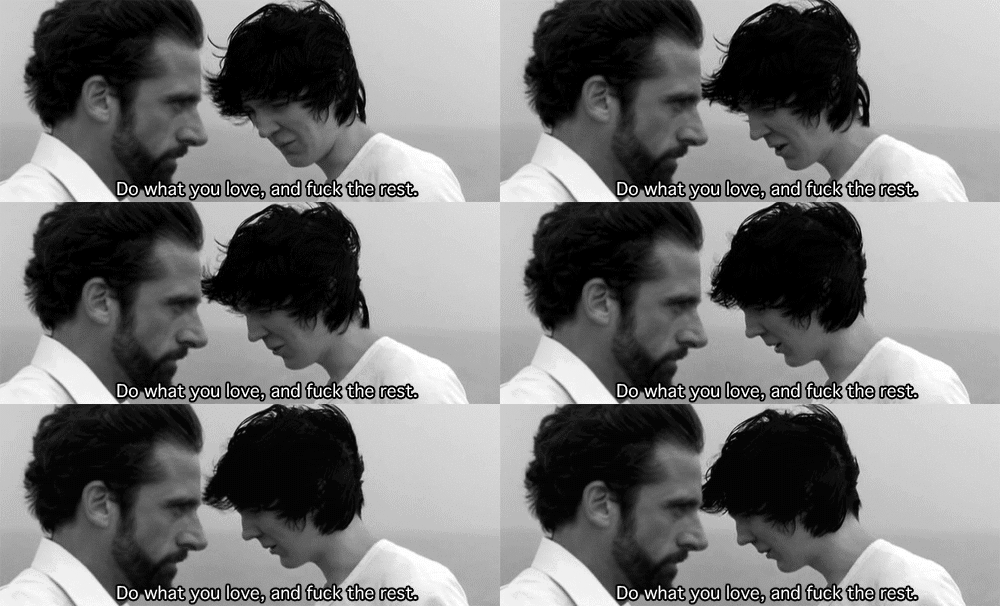
You know what? Fuck beauty contests. Life is one fucking beauty contest after another. School, then college, then work… Fuck that. And fuck the Air Force Academy. If I want to fly, I’ll find a way to fly. You do what you love, and fuck the rest.
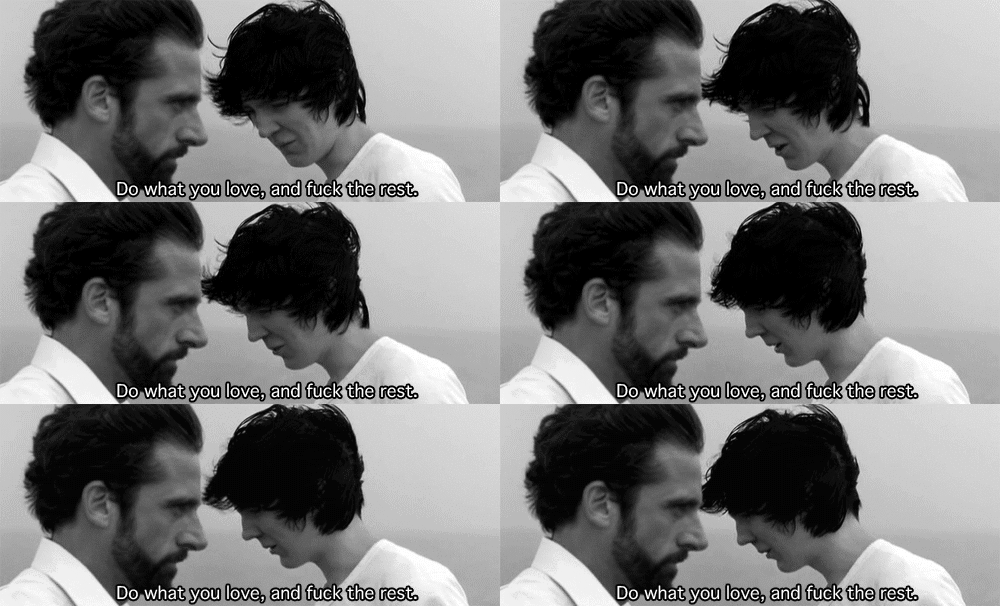
You do what you love, and fuck the rest. The Hoover family will continue with their dysfunctional lives back in New Mexico, but hopefully their Heroes Journey experiences will have reset their expectations and set them onto a more authentic life-path.
Takeaway: When working with your story’s themes, try finding a simple, concise iteration of them. If you can’t, perhaps you need to do more character and story work. If you can, you will have found a key to writing a story that works thematically.
Next week: More Dispatches From The Quest.
About Miranda: New Englander turned Angeleno by way of New York. Enjoys: high-powered action films, dark dramas, and ’90s legal thrillers. Does not enjoy: the dentist. Mushrooms. @ScriptChix.
Comment Archive