Dumb Little Writing Tricks That Work: Transcribe Screenplays
I assume we’ve all heard those stories about how a young Felix Mendelssohn transcribed note for note musical scores by Johann Sebastian…
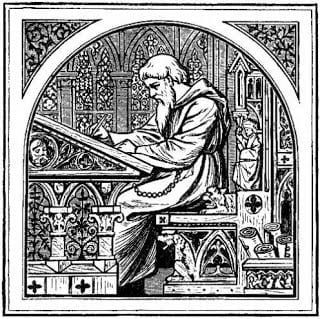
I assume we’ve all heard those stories about how a young Felix Mendelssohn transcribed note for note musical scores by Johann Sebastian Bach, just to get the feel of how Bach wrote music.
And stories about how F. Scott Fitzgerald transcribed the novels of writers he admired such as Charles Dickens to get the feel of their writing.
Well, why not do that with screenplays?
If you’re struggling with any of the following:
- How to handle scene description
- How to manage transitions between scenes
- How to balance action and dialogue within scenes
- How much scene description is too much / too little
- How to write realistic dialogue
- How to use primary sluglines and secondary sluglines
- How to write series of scenes, series of shots, and montages
Sure, you can read great screenplays. But what about typing them — word for word?
A story: In my never-ending quest to accumulate screenplays of my favorite movies, I commented in one of my screenwriting classes that I couldn’t find a script online for one of my all-time favorite movie To Kill a Mockingbird.
Some months later, I get a PDF of the script. One of my students had purchased a hard copy of the script, then typed it up word for word in Final Draft. Made a PDF of it and sent it to me. She had quite positive comments about the transcription process. Quite a learning experience!
And besides if it worked for Mendelssohn and Fitzgerald…
Don’t you think it could work for you, too?
This has been another edition of Dumb Little Writing Tricks That Work.
For 17 other writing tricks, go here.