Great Characters: Batman
A special guest post from Vic Tional providing a nice overview of the cinematic history of Batman:
Great Characters: Batman, or How I Learned to Stop Worrying and Love the Bat
The wait is over. The Dark Knight Rises today, ending months/years of fevered expectation on the part of fans and providing the concluding entry to Chris Nolan’s lauded Batman trilogy. The Avengers may have stolen a march on several summer blockbusters, Hulk-smashing its way past The Dark Knight to trail only James Cameron’s duopoly in all-time box office returns, but TDKR will likely mount a rig-flipping assault on Joss Whedon’s juggernaut. Where The Avengers, propelled by the vim and effervescence of a colourful cadre of Marvel’s finest, charmed audiences with frothy confection, slick set pieces and jocularity, TDKR looks set to subject cinemagoers to a 164-minute blitzkrieg of unrelenting weight and intensity as The Bat leads Gotham’s resistance to the rule of Bane.
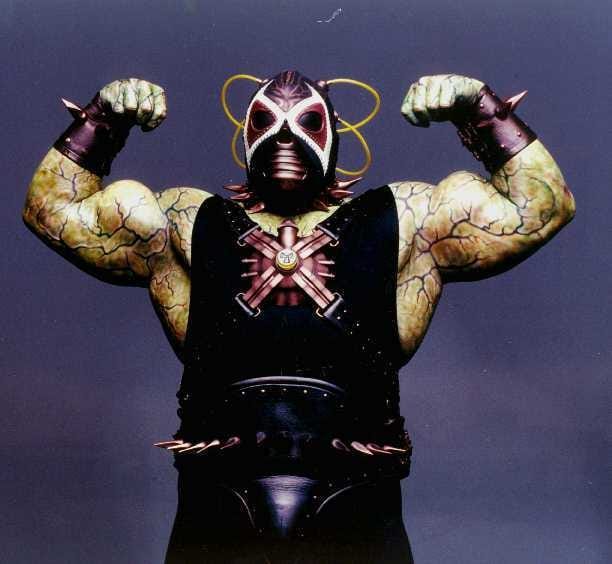
No, not that one.
That this same character joined forces with a woeful Uma Thurman and pun-ishingly awful Arnie in Batman and Robin fifteen years ago, decimating the franchise in a tsunami of Bat nipples and neon, is a testament to the Lazarus-like feat of Nolan, aided and abetted by his brother, Jonah, and David Goyer on scriptwriting duties. When the dust settles, the combined box office receipts of Batman movies by year-end, adjusted for inflation, will almost certainly exceed $5B.
As the Nineties drew to a close, it looked for all the world to see that the opprobrium justifiably heaped on Batman and Robin would forever banish the Caped Crusader to a fiery Hades, unlikely to be seen or heard from again. But George Clooney bounced back. As did Batman, though not quite as quickly. Having made his theatrical bow in the eponymous 1966 release, with Adam West donning the cowl in a camp-tastic, shark-repelling extension of the popular television series, Joel Schumacher’s garish sequels appeared to have brought the character full circle following Tim Burton’s suitably Gothic rendering of Gotham. But like Harvey Dent said, ‘The night is always darkest before the dawn…’
With off-beat fare like Pee-wee’s Big Adventure and Beetlejuice on his fledgling resume, the shock-haired tyro Tim Burton was a left-field pick to helm the celluloid revival of Batman. Then again, almost everything about the conception and production of the 1989 movie was unlikely. A nine-year journey through three companies, producer Peter Guber described the process of bringing Batman to cinemas as ‘a matter of tenacity, persistence, and not much momentum’. The likes of Jaws and Star Wars laid the foundations for the blockbuster as a cultural phenomenon, but it was Batman that arguably customized the modern template. Sam Hamm may have penned the dialogue, action and scene descriptions, but the script was ostensibly written by Jon Peters, Peter Guber and Dan Romanelli, then head of merchandising for Warner Bros.
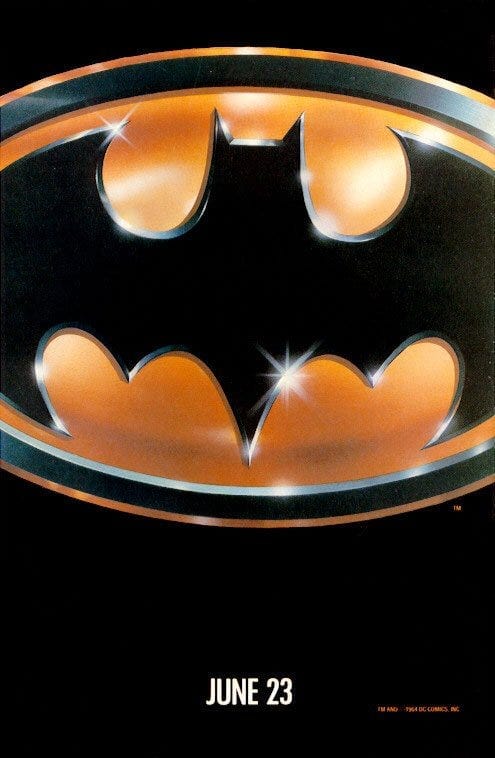
Movie posters emblazoned with the iconic bat symbol peppered movie theatres well in advance of the film’s premiere, and a pre-orchestrated global blitz ensured that the familiar logo would adorn t-shirts, lunchboxes and toys in a strategy that may be considered de rigeur today but was a revolutionary marketing strategy in the late-eighties. Guber revelled in the tie-ins and Batdances that generated upwards of $750M in commercial revenue and resulted in ticket sales totalling $400M+ internationally, labelling the result ‘synchro-destiny’. Tim Burton had a slightly different take: ‘Cereal manufacturers and fast food companies, who wanted to make bat-shaped toys and hamburgers were looking over my shoulder the whole time. It was quite horrifying’.
Three years later, Batman Returns reunited Burton, unlikely leading-man Michael Keaton, and scriptwriter Hamm, alongside Daniel Waters, and introduced Rogues Gallery stalwarts Catwoman and the Penguin to take on the Bat. Much like the first instalment, Batman Returns received generally favourable reviews and considerable, though reduced, box-office success, but the murky tone and macabre elements compromised the all-important marketability of the franchise and led McDonalds to withdraw their Happy Meal tie-in following numerous complaints from concerned parents. The fallout would be an ill-fated change of direction for the series that would kill the cash cow inside five years.
The Dark Knight returned, again, in 1995, Joel Schumacher directing Val Kilm in Batman Forever after Michael Keaton, citing creative differences and reservations over the direction of the series, declined the role despite an eye-watering offer. Jim Carrey and Tommy Lee Jones entered the mix as The Riddler and Two Face respectively, while Lee Batchler, Janet Scott-Batchler and Akiva Goldsman were hired to produce a script that would step away from Burton’s shady stylings and add more than a dash of colour in an attempt to maximise potential profit. Chris O’Donnell ‘won’ the role of Robin over a presumably forever-grateful Leonardo DiCaprio, while a certain Christian Bale was rumoured to be the bronze medallist of the triumvirate under consideration. What could have been.
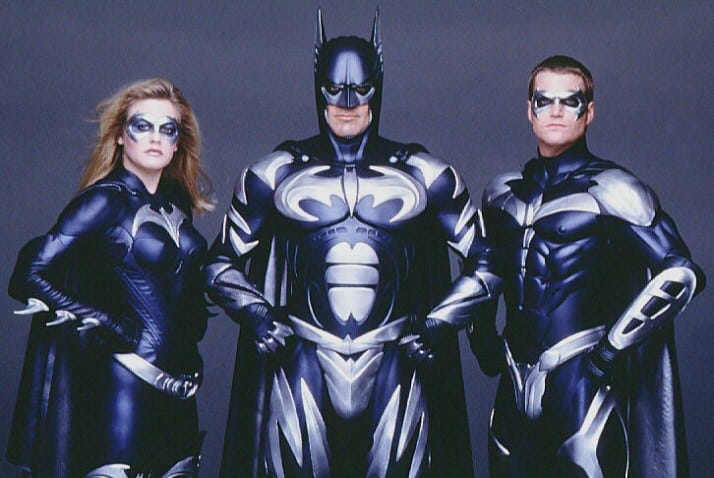
Batman Forever opened to mixed reviews but gangbusters box office, McDonalds were back on board, the soundtrack was one of the movie’s best features, and another sequel was immediately given the greenlight. Batman and Robin opened in 1997, and the door swiftly, ignominiously closed on Batman and the big screen. George Clooney managed to hide some of his shame behind the cowl, but the film was met with universal, thoroughly-warranted derision and modest receipts. The combined efforts of an ill-advised Batgirl (Alicia Silverstone), Poison Ivy (Uma Thurman), Mr Freeze (Schwarzenegger) and Bane (who cares) banished the Bat to purgatory, scuppering plans for a planned fifth instalment which, by turns amusing and ironic, was due to be called Batman Triumphant. The triumph would have to wait.
Within a few years, Warners began the inevitable search for filmmakers with the talent and ability to successfully revamp the character, procuring the services of Darren Aronofsky in 2000. Charged with adapting the much-loved Batman: Year One graphic novel with the help of its scribe, Frank Miller, Aronofsky completed a script pitching Bruce Wayne as a delinquent orphan-turned Travis Bickle-esque vigilante, roaming Gotham’s cesspool streets in a souped-up Lincoln Continental courtesy of ‘Big Al’s (yes, Alfred’s) body shop. Interesting it certainly would have been, but in retrospect it’s probably for the best that this version never made it out of the gates. Likewise Akiva Goldsman’s Batman vs Superman, originally envisioned by Andrew Kevin Walker and due to be directed by Wolfgang Petersen, which entered development as interest in Aronofsky’s vision Wayned (sorry) but, thankfully, went no further. Incredibly, Christian Bale was allegedly the favoured choice for both proposed films, and his name would be mentioned again in the not-too-distant future.
A casual meeting between British writer/director, Chris Nolan, and Warner Bros in January, 2003, would ultimately prove to be a seismic event for the character specifically and superhero films in general. Nolan, who burst on to the motion picture scene with the mind-melting Memento, had recently completed Insomnia for the studio, and made a pitch that would represent a dramatic departure from all former incarnations of the character on screen in one crucial way: Batman was to take center stage.
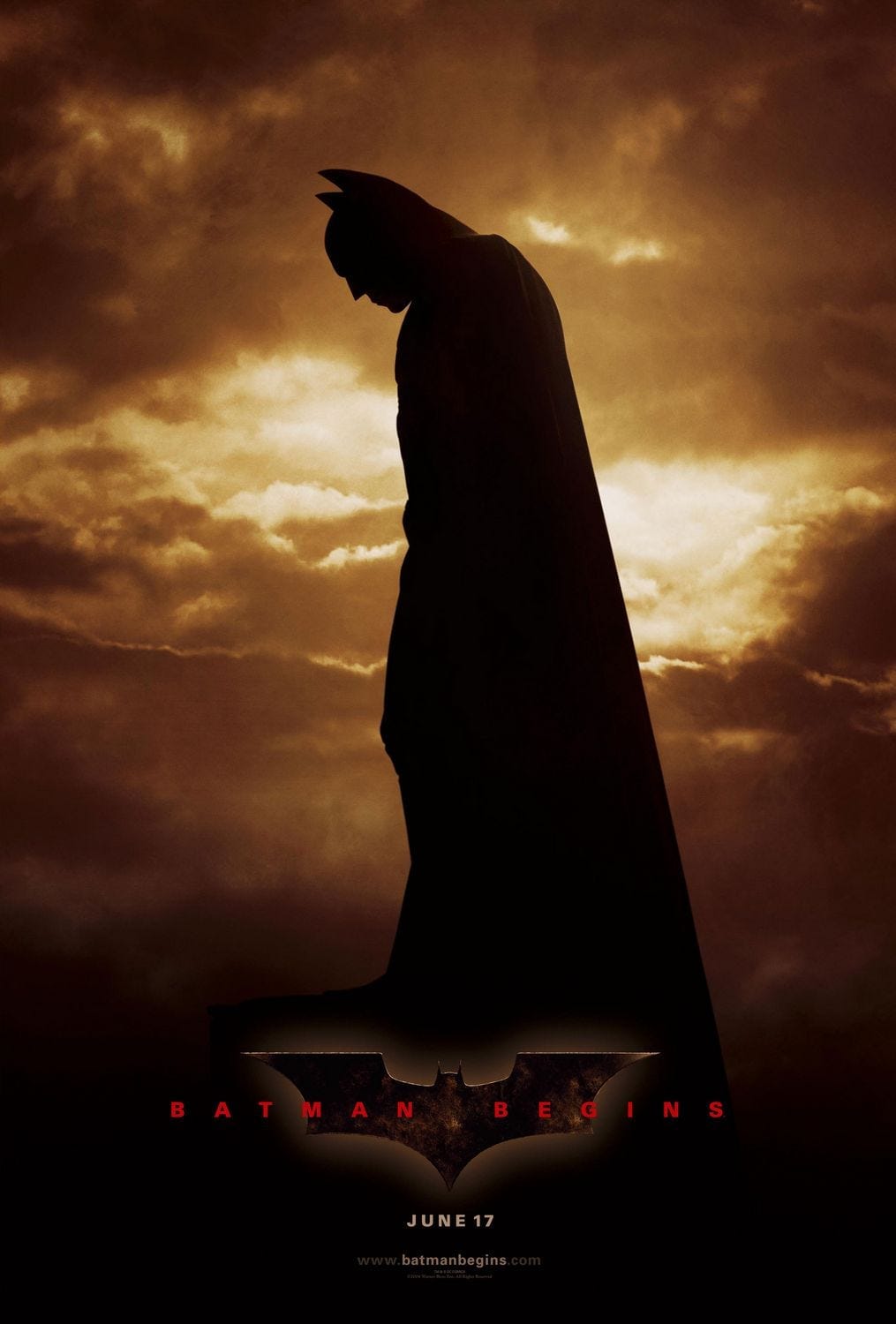
In Nolan’s own words: ‘The origin story had never been addressed on film or really even in the comics, that is to say there isn’t really a single, definitive account of the journey of Bruce Wayne into Batman’. Enlisting the help of lifelong Batman fan and comic book aficionado, David Goyer, Nolan set about the onerous task of creating a recognizable alternate reality in which you’ll believe a man can dress up as a bat and kick the shit out of crime.
Nolan singled out Christian Bale as the man with a sufficient blend of focus, determination and strength of will to make such an undertaking seem vaguely plausible, and took a lead from Richard Donner, who turned to actors of notable ability and renown for the supporting roles in Superman, to flesh out his cast. Michael Caine, Morgan Freeman, Gary Oldman, Liam Neeson and, er, Katie Holmes were all brought on board, and Batman was reintroduced to the world in Batman Begins in 2005.
The critics, by and large, liked what they saw — Rotten Tomatoes certified Batman Begins with a solid 85% ‘fresh’ rating, their summary reading: ‘Brooding and dark, but also exciting and smart, Batman Begins is a film that understands the essence of one of the definitive superheroes’. Audiences felt the same way, helping the film to number one on its opening weekend with a gross of just under $50M. However, this figure was deemed to be ‘strong but unimpressive by today’s instantaneous blockbuster standards’ according to Box Office Mojo, and the sub-$400M final tally was only enough to secure its place as the eighth highest-grossing film that year. What happened next was to be expected: Warner Bros, understandably disappointed with the receipts, removed Chris Nolan from the franchise, booted Bale and went back to the drawing board, confident that yet another reboot and retooling would surely bring the combined billion-dollar return, critical acclaim and Academy Awards they craved.
Well, that’s almost what happened next.
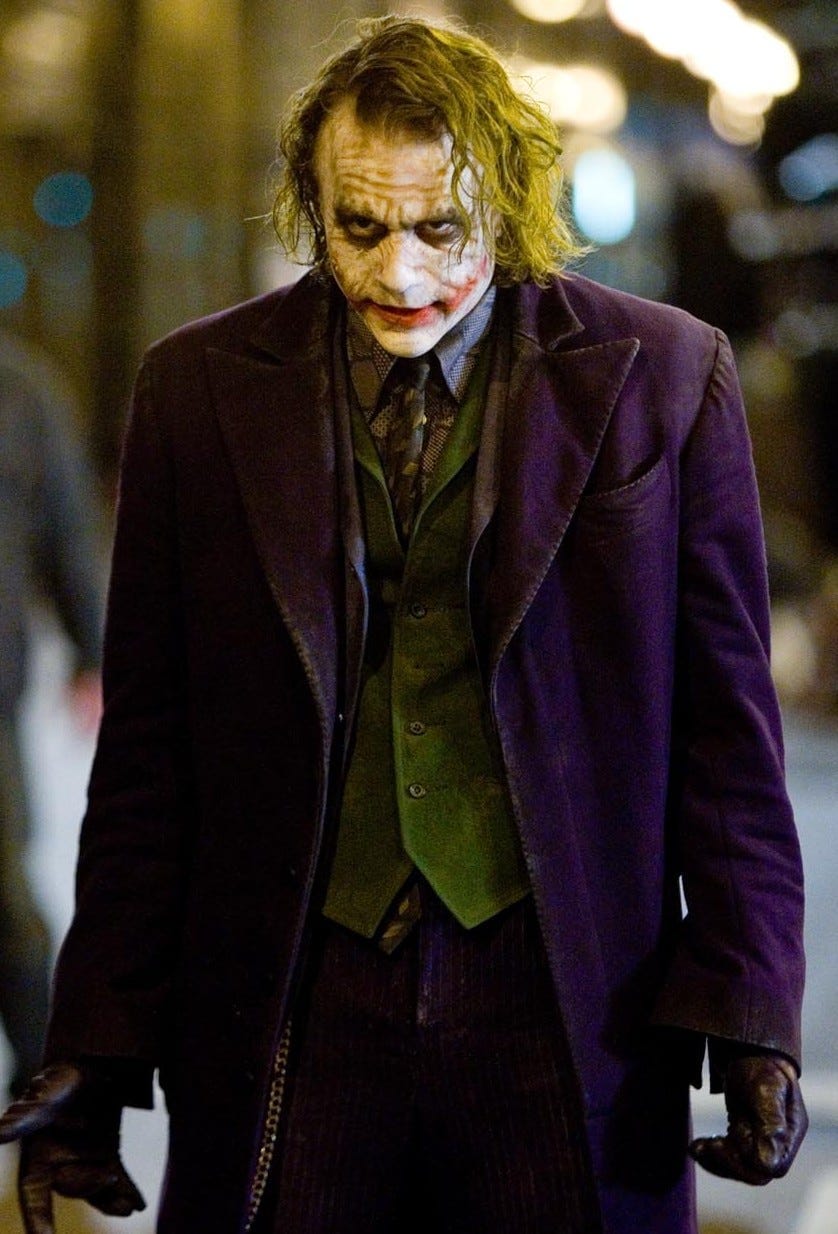
Cue The Dark Knight (which you may have heard of), a film that raised the bar for what was possible for superheroes on screen, tore it down, crushed it under foot, set fire to it and put up another, higher bar to take its place. Heath Ledger’s performance as The Joker will not be soon forgotten, joining a pantheon of classic screen villains with very few members. Still among the most successful movies ever made, The Dark Knight set such a high precedent that TDKR will struggle to match up, but early reviews suggest that the final installment of Nolan’s Batman films completes a formidable trilogy that stands up to any in modern cinema.
So what makes Batman a great character? Well, there are about five billion reasons that spring to mind, but head to the comments for your say.
Comment Archive