Interview: Kelly Fremon Craig
A conversation with the writer-director of The Edge of Seventeen.
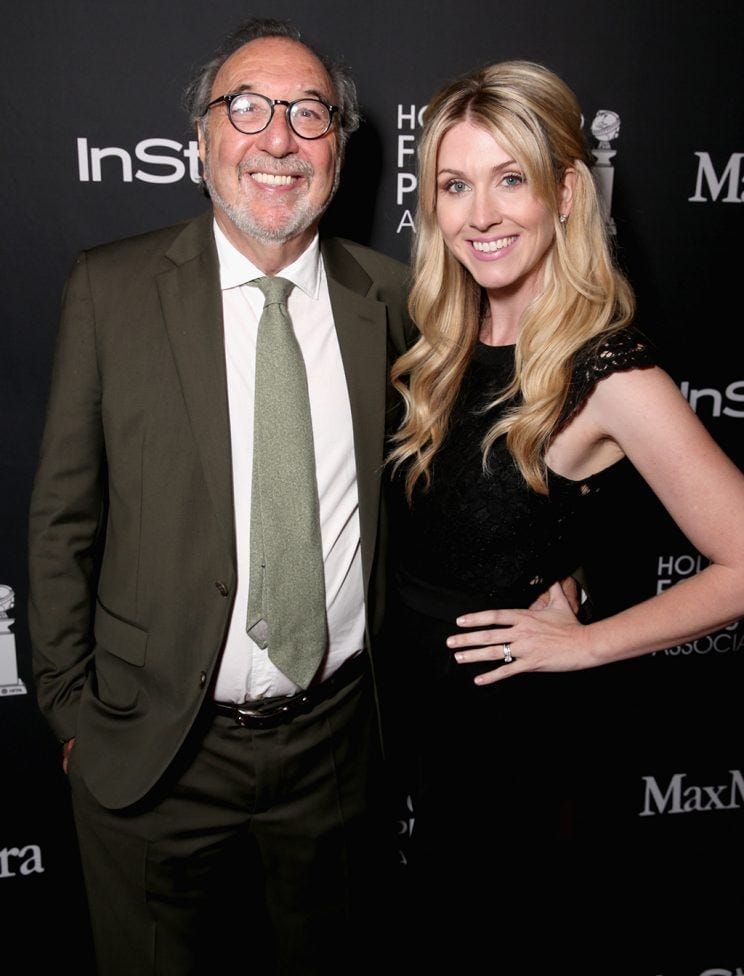
A conversation with the writer-director of The Edge of Seventeen.
A recent WGA interview with Kelly Fremon Craig who wrote and directed the excellent teen comedy The Edge of Seventeen, starring Hailee Steinfeld and Woody Harrelson, and produced by James L. Brooks.
Can you tell me about inspiration for this story?
A couple things have always interested me — those periods in life when your comforts or emotional crutches are stripped away and you’re just left with yourself and having to take a look at yourself and what questions that brings up. That was really interesting to me. The other thing that’s interesting to me is our sense of ourselves compared to other people, how we see ourselves compared to other people and the ways we romanticize other peoples’ lives and, in turn, feel worse about our own and how that leads to a feeling of isolation. That’s so prevalent in high school, but it’s also something that’s just a thing today maybe even more than it’s ever been because of social media. All you have to do is get online for two seconds and you’ll be hit with a barrage of perfectly filtered pictures of people having more fun then you are. On some level, that’s fucking all of us up, and that makes everyone feel a little bit lonelier everyday. So it was just really trying to parse out that feeling of, everyone’s okay except me, which is such a feeling you have at that age, when your coming of age, where you’re in that in-between stage, not quite knowing who you are or where you belong or if anyone will ever understand you.
So was the inception here more about these concepts than it was a character, say, like, Nadine?
Yeah, they kind of start to happen in tandem for me. It’s weird, I’ll start to hear a voice, and I’ll start to write it, and then as I go along I start to figure out what it is that voice is trying to say… What was so cool about working with Jim [Brooks] was when I first sat down with him, I went automatically into a mode of script mechanics and….
Structure, pacing, that kind of thing?
Exactly, yes. He stopped and said, “The first and biggest question you have to answer is, what are you saying about life?” That just changed everything for me. It changed everything because I had felt that in myself always, as I was writing and trying to find something, but I had never really articulated it until he said that and I will never write anything the same ever again because of that.
When he asked you that, were you stumped, or did you immediately know what the answer was?
The story I was writing gave me a…it actually physically hurt. I always feel like I’m onto the right thing I have to write, if, when I digest it, it hurts a little bit. I’m like, Oh, okay, that’s something for me to explore. At that point, I had this thing that was just uncomfortable inside me that I couldn’t quite name. I couldn’t quite name what I was after. When he said that, it made me [think], Okay, you must name this. What is this thing you’re trying to explore here? That’s when I started to [realize] I’m really looking at that feeling [when] you’re all alone in your pain, that’s what I’m exploring. But it took a second to articulate it from just a feeling.
Takeaway: “What are you saying about life?” That’s a great question to ask and I imagine it will take you pretty much into the heart of your story’s central theme.
A compilation of scenes from The Edge of Seventeen:
The movie website for The Edge of Seventeen.
For the rest of the interview, go here.