Interview (Part 2): Aaron Guzikowski (“Prisoners”)
One of the best movies of 2013 was Prisoners, written by Aaron Guzikowski, directed by Denis Villeneuve, and starring Hugh Jackman and Jake Gyllenhaal. So I was thrilled to have the opportunity to have an hour-long conversation with Aaron about his background as a writer, his work on Prisoners, his involvement in the new Sundance Channel TV series “The Red Road” and his thoughts on the craft of screenwriting.
Today in Part 2, Aaron talks about writing the script for the movie Contraband, the long development history of Prisoners, and how the story evolved into a “two-hander”:
Scott: You worked on Prisoners for two years with Adam. How many drafts of the script do you figure you wrote?
Aaron: Oh, many, many drafts. Obviously, I was working full‑time while I was working on it. I would send it to him and it would take time for the notes to come back to me. Just the process itself was kind of stretched out. But yeah, I did. I wrote a lot of drafts. The basic story always kind of remained the same, but I think it was just trying to find the best way to maximize all the elements and figure out who and what to focus on and when.
I definitely probably wrote almost a novel’s worth of stuff, just in terms of scenes that weren’t used or all the stuff that I think, in some weird way. informed what ended up being the final script. Many, many drafts, for sure.
Scott: If you didn’t know that adage, “Writing is rewriting” before…
Aaron: [laughter] Yeah, I had heard that adage, but I hadn’t really thought much on it. But yes, it surely is. Writing certainly is rewriting. It’s quite true in my experience.
Scott: Prisoners has an interesting history. There were several people attached to it at various points. Mark Wahlberg was the first person connected with the script, yes?
Aaron: Yeah, Mark Wahlberg had read it early on. He was very interested in it. He helped get some more eyes on it. Originally he was attached to star in the film, and Christian Bale was attached at one time, when Mark was. I think Bryan Singer was attached to direct, and then it changed over.
It was going to be Antoine Fuqua for a while, and then it changed over to Leonardo DiCaprio was going to star in it for a bit. It went through a lot, in terms of the various players, of different incarnations over the years.
Scott: That’s another lesson. Hurry up and wait.
Aaron: Oh, yeah, for sure. That’s the ultimate lesson of Hollywood, making features anyway. There is no schedule, so you just have to keep on keeping on.
Scott: At some point, you were hired to write Contraband. Maybe you could talk a little bit about how that happened.
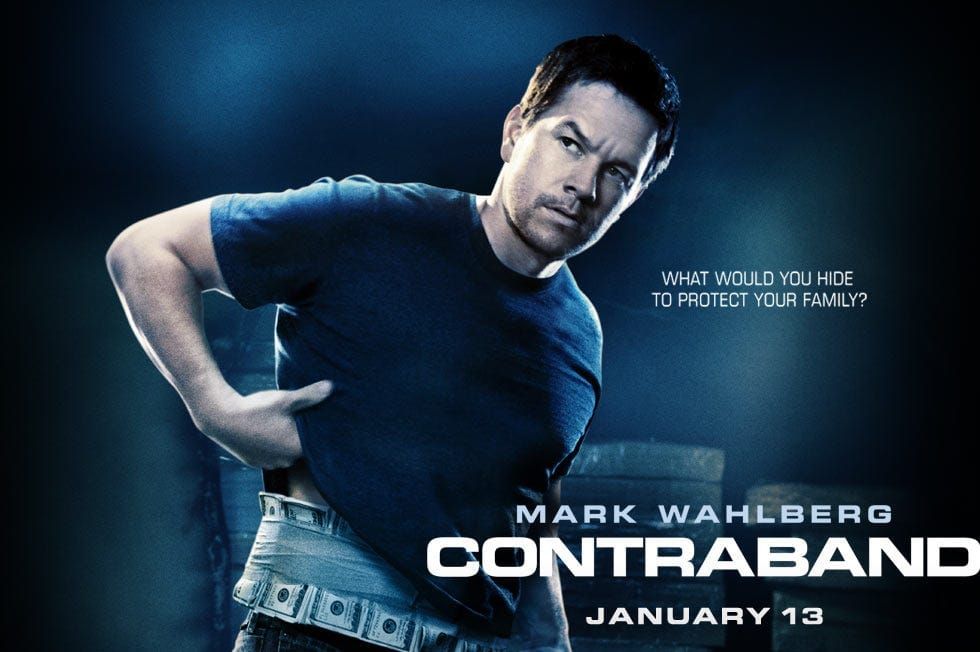
Aaron: Yeah. When we figured out Mark wasn’t going to do Prisoners and that was in limbo, he still wanted to do something with me and they had found this Icelandic thriller called “Reykjavik to Rotterdam” that they wanted to do an adaption of into an American film. I adapted that film, that became Contraband, and turned into more of a gritty, Departed‑esque type thriller.
The original was a little bit more of a semi‑comedic, kind of a light, fun romp, but it had a great three act structure to it. It was a great movie. That happened really fast in terms of the writing of the script and we went right into production. It just rolled along in a really smooth way, so that was great. That, oddly enough, ended up coming out long before Prisoners did.
Scott: Did that contribute at all to Prisoners getting set up and getting made?
Aaron: Perhaps a little bit, but the thing that was keeping Prisoners from going was they couldn’t get all the right elements together at the same time, for the right amount of money. They were continually trying to find the right talent to make the movie they wanted to make.
Scott: Here’s the IMDB summary for Prisoners:
“When Keller Dover’s daughter and her friend go missing, he takes matters into his own hands as the police pursue multiple leads and the pressure mounts.”
You’ve got Hugh Jackman playing Keller, Jake Gyllenhaal as the investigating policeman, Detective Loki. Terrance Howard as Franklin, the father of one of missing girls, his wife Nancy played by Viola Davis. Paul Dano as Alex, the prime suspect, and Holly his caretaker, Melissa Leo. That’s an amazing cast.
Aaron: Oh, yeah, for sure, and they’re all fantastic. It was an amazing thing when I’d gotten word that they’d assembled all these great actors. It’s a huge thing, definitely.
Scott: The origination of the idea, if I remember correctly, was a short story you did. It was about a man who captured someone who the man believed had hit his teenage daughter with a car.
Aaron: Exactly. It was a short, unpublished story that I had just written for myself about this guy. He believed this guy was guilty of hitting his daughter with his car. He captures this guy and keeps him in this well in his backyard. He keeps him just down in this well and he feeds him just enough to keep him alive over the course of a year. It slowly drives the guy nuts, like the “Tell‑Tale Heart” thing.
It was this little horror story, but that was the kernel that gave birth to the larger story.
Scott: The focus of that story was with the father, and Prisoners is more of a dual‑protagonist story.
Aaron: It became a two‑hander. Even in the early drafts of the script, it was more exclusively focused on the father character. As it progressed, it became more of a two‑hander. You have more of the investigative side, in addition to the father’s point of view and what he was up to. Which was good, which expanded the whole thing and makes it a more exciting ride.
Scott: Was that a decision that arose organically in your story‑development process, where you were just digging into the characters and the detective was emerging more? Or was there some sort of pressure in terms of casting, to amp up that role?
Aaron: No, the script never really changed after it was bought. This was all stuff that happened before it was purchased. After it was purchased, the detective character, we enlarged that piece of it a little bit more. But in terms of changing the story into a two‑hander, that happened about midway through the initial writing process. It organically started happening that we want to see more of what this guy is doing, and get this different perspective on this chain of events.
Tomorrow in Part 3, Aaron reveals the rationale behind several key narrative choices he made in writing the script Prisoners.
For Part 1, go here.
Aaron is repped by Verve and Madhouse Entertainment.
[Originally posted February 18, 2014]