Interview (Part 6): Eric Heisserer (2012, 2014 Black List)
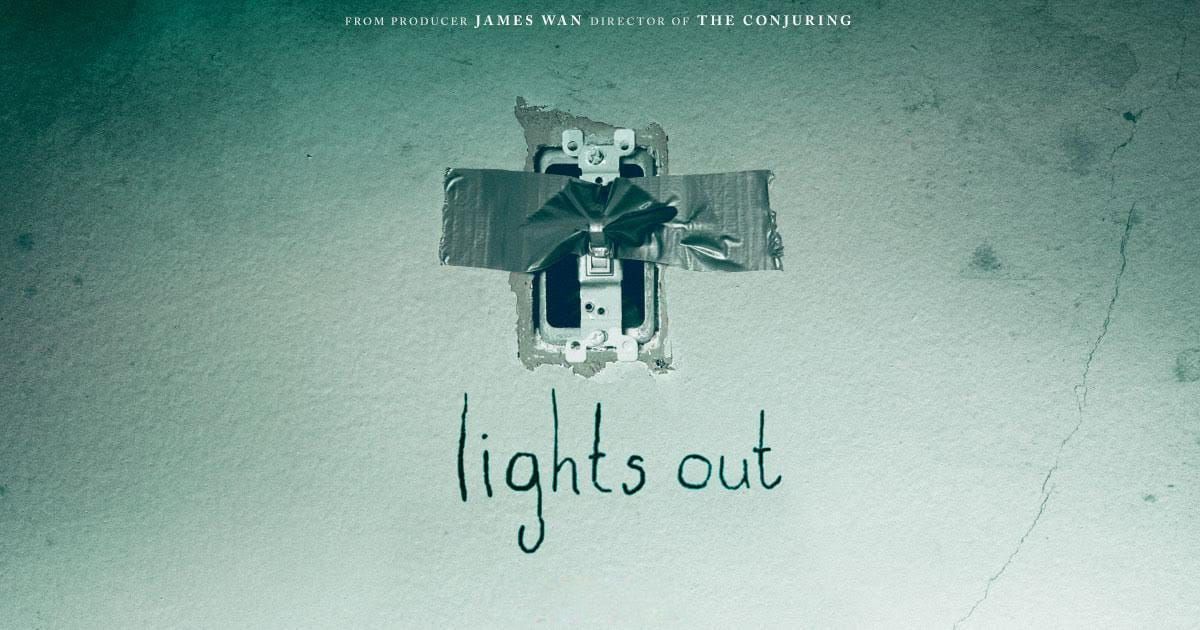
This weekend, the horror movie Lights Out rolls out in movie theaters across North America. Starring Teresa Palmer and Maria Bello, directed by David F. Sandberg, the screenplay was written by Eric Heisserer. I thought it was a good opportunity to reprise a 2013 interview I did with Eric and reach out to him with some questions about Lights Out.
Today in Part 6, Eric delves into more deeply into the craft of screenwriting:
Scott: How about scene description? What cues do you think there are to writing good, entertaining scene descriptions?
Eric: Oh! There are a number of great examples of solid scene description. I’m guessing for every rule there’s always an amazing exception, but I try to let the scene description match the pace of the story, first and foremost. If I’m writing an action sequence, I want my scene description to be terse and spaced out, with typically a lot of dashes, so that it is a very quick read, the way the movie would look in editorial.
And if I want the reader or the audience to linger in a space or sort of ponder something, then I prefer to take a little more time with my scene description, and I allow slightly larger blocks of text that I wouldn’t use elsewhere. And I just try and match the pace as best I can from that.
Then there’s always the eye toward economy. I think the best screenwriters are like the best artists, like cartoonists, for instance. The thing I picked up from cartoonists is that the goal is always to draw the most expressive characters with the fewest lines, the fewest strokes of the pen. And I feel as screenwriters that’s our job as well, to try and express the most about our characters in as few words as possible.
So much of our script is just one interpretation of the final product, and you need to suggest as much as possible, knowing that the final movie may not be at all what you initially imagined. Depending on where the location scouts find the settings, and the lighting that your DP uses, and the kind of sound library you have, and what the composer does with the score.
You can be very specific at times and very evocative, but quite often the most beautiful screenplays are the ones that just suggest the larger world without having to go in-depth to describe them.
This is a very long‑winded way of saying “less is more.”
Scott: When you finish the first draft, you’re faced with the inevitable rewriting process. Are there some keys that you have to rewriting your scripts? And if so, what are they?
Eric: Don’t be emotionally connected to it. Look at it as an exercise. Try to look at it with fresh eyes. And be prepared to murder your darlings. Yeah, that’s kind of what I have in mind when I look at rewriting.
Scott: What’s your actual writing process?
Eric: I work in private at my home office. I write to scores. I write to a lot of instrumental music.
Scott: Here’s one for you. What’s your single, best excuse not to write?
Eric: [laughs] Going to a movie.
Scott: That’s a good one because you can always justify going to a movie, right?
Eric: Totally.
Scott: What do you love most about writing?
Eric: Having written.
Scott: Finally, what advice do you have to offer to aspiring screenwriters about learning the craft and breaking into Hollywood?
Eric: Read as much as you can, screenplays…amateur screenplays of people who are also trying to break in, scripts from Oscar winners, novels, short stories, poetry. Be a consumer of the written word and devour as much as you can. With equal passion and fervor, write. Write as much as you can. Write any and all of those things…screenplays, short stories, novels. The more you understand the language in the world, the better.
I’d also suggest…I’d highly recommend that if possible you get a job in some other part of the film making process, even if it’s just as a P.A., or assistant to an editor, or a camera operator, a boom mic operator, hair and makeup — whatever way for you to get involved in it. So that you get a better sense of the bigger process outside of writing, and how writing can affect all of those things.
Here is another one of my questions to Eric about Lights Out and his response:
Scott: Why is it you think people enjoy watching horror or thriller movies, putting themselves in a situation in which they know they will be scared, presumably something in ‘normal’ life they would attempt to avoid? In other words, what is the appeal of horror movies?
Eric: At this point, I think people go to scary movies because real life is getting intensely scary, and you can walk out of this horror movie and say to yourself, “Well at least I don’t have it THAT bad…”
For Part 1 of the interview, go here.
Part 2, here.
Part 3, here.
Part 4, here.
Part 5, here.
Eric is repped by UTA and Art/Work Entertainment.
Twitter: @HIGHzurrer.