LA Times (9/14/08): “Remember movies before the cellphone?”
Fun article in yesterday’s LA Times:
THE LITTLE girl steals it. That’s why Carrie doesn’t have her cellphone. And that’s why Big can’t reach her to say he’s backing out of the wedding in the “Sex and the City” movie.
A clever technique for creating drama? Or a contrived way to keep the pair from speaking, in an age in which everyone has a cell handy?
Either way, the episode shows how our pesky pocket devices have become crucial to storytelling. The U.S. had 255 million cellphone subscribers (83% of the population) in 2007, according to the International Telecommunications Union, meaning that audiences expect almost all present-day characters to carry one. For dramatic writers in many media, cellphones’ ubiquity — and the particular way they condense time and space — creates both opportunities and obstacles.
With every technological advance, screenwriters have to make narrative accomodations for them. Just the other day, I posted something about plot complications. The presence of cellphones nowadays makes things easier for consumers, but more difficult for screenwriters in creating obstacles for their characters to overcome. If help is only a phone call away, cellphones represent an ever-present lifeline. And the brainstorming begins:
The typical solution is simple: Kill the cellphone. It can be lost (“Sex and the City”), out of range (“Damages,” when Ted Danson is trying to re-call a hit man) or out of battery (Jamie Foxx at the end of “Collateral”). The cellphone death has become the 21st century version of the car not starting when a killer is after you.
One solution is to get rid of the phone before it becomes an obvious burden, preferably in a way that reveals character, humor or suspense. McKee likes how it was done in last year’s Tim Roth-Naomi Watts film “Funny Games.” When two seemingly nice young men talk their way into a family’s house, one of them, in an apparent accident, breaks the family’s cellphone by nudging it into a sink of water, planting the seed for their terrorizing of the family.
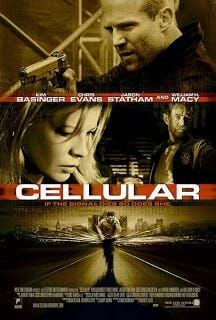
Of course, new technologies also present narrative possibilities. For instance, screenwriter Larry Cohen wrote a spec script that became the movie Cellular (2006). The premise:
A young man receives an emergency phone call on his cell phone from an older woman. The catch? The woman claims to have been kidnapped; and the kidnappers have targeted her husband and child next.
My friend Gary Scott Thompson sold a pitch for mid-six figures called “Baby Monitor” in which a woman hears details of a possible crime over her, you guessed it… baby monitor.
I pity the screenwriters twenty years from now — when we’ve all got microchip implants in our brains allowing us constant and immediate communications capability wherever and whenever. Have to come up with some real far-out ideas on how to complicate that scenario.