Movie Analysis: “Nightingale” — Plot
Another in our bi-weekly series in which we analyze movies currently in release. Why? To quote the writing mantra I coined over 5 years ago: Watch movies. Read scripts. Write pages. You will note which one comes first. Here are my reflections from that post about the importance of watching movies:
To be a good screenwriter, you need to have a broad exposure to the world of film. Every movie you see is a potential reference point for your writing, everything from story concepts you generate to characters you develop to scenes you construct. Moreover people who work in the movie business constantly reference existing movies when discussing stories you write; it’s a shorthand way of getting across what they mean or envision.
But most importantly, you need to watch movies in order to ‘get’ how movie stories work. If you immerse yourself in the world of film, it’s like a Gestalt experience where you begin to grasp intuitively scene composition, story structure, character functions, dialogue and subtext, transitions and pacing, and so on.
Let me add this: It’s important to see movies as they get released so that you stay on top of the business. Decisions get made in Hollywood in large part depending upon how movies perform, so watching movies as they come out puts you in the same head space as reps, producers, execs, and buyers.
This week’s movie: Nightingale, written by Frederick Mensch.
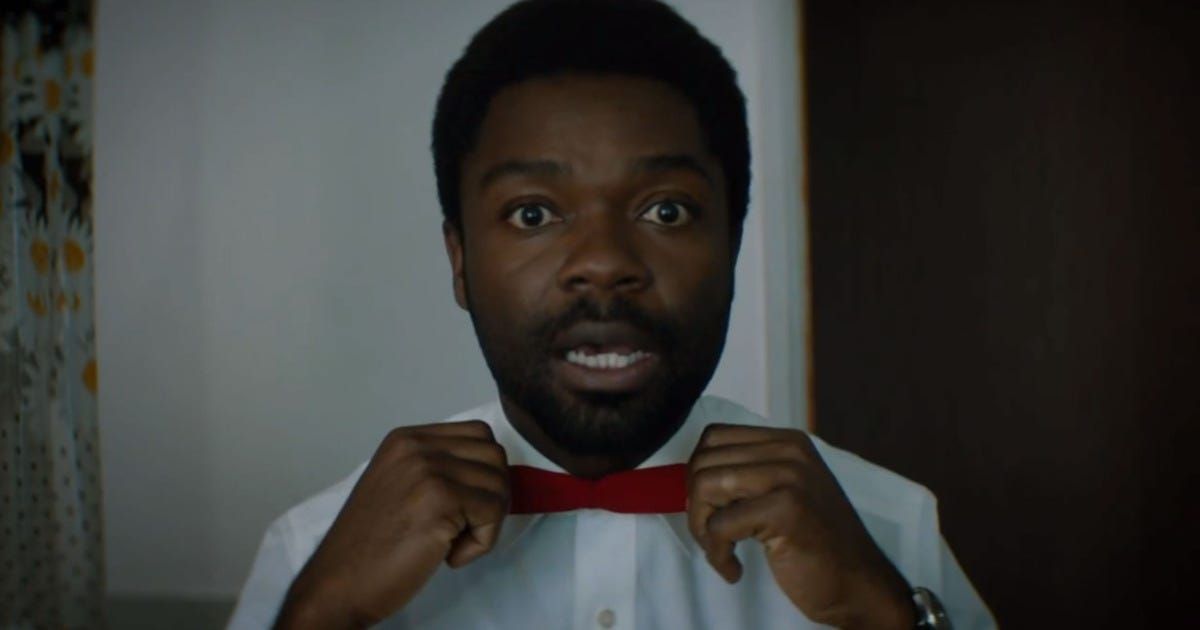
This is a special movie for many reasons. It is the first movie produced from a script discovered on the Black List website. It debuted and currently airs on HBO. It stars David Oyelowo who played Dr. Martin Luther King in the movie Selma. And it is essentially a one-actor contained drama-thriller. Plus there’s this: You don’t have to leave the comfort of your own home to watch it. It’s an HBO original.
Remote control. Click! Boom! Movie!
Our schedule for discussion this week:
Monday: General Comments
Tuesday: Plot
Wednesday: Characters
Thursday: Themes
Friday: Takeaways
For those of you who have not seen the movie, do not click MORE as we will be trafficking in major spoilers. If you have seen Nightingale, I invite you to join me in breaking down and analyzing the movie.
We are fortunate to have direct access to Frederick Mensch, screenwriter of Nightingale, who has agreed to answer questions this week. First two questions and answers inside this post!
I asked screenwriter Frederick Mensch about the central plot conceit:
This narrative construction must have presented significant challenges for you as a writer. What were the biggest one you faced and how did you go about handling them?
With no other characters on screen, dramatizing Peter’s state-of-mind with just YouTube videos and phone calls, etc., was obviously a big challenge. I knew I was asking a lot of the audience, so I tried to make sure I was maintaining a certain level of narrative momentum throughout. Peter himself was helpful in this regard because he has such a dramatic personality, and such a clearly defined objective. When you know very specifically what a character wants, it becomes easier to engage your audience by creating obstacles to that objective. So whether he’s trying to make a phone call or set a nice table, I put as many obstacles in his path as I could reasonably justify. This is a different type of storytelling than you’ll see in the Marvel Universe, obviously, but for a character like Peter Snowden, the stakes are just as high.
This same point is echoed in this interview with David Oyelowo, the actor who plays Peter:
I have some further thoughts about the plot, but would like to hear what you have to say. If you have any questions for Frederick, post in comments.
Comment Archive