Movie Story Type: Biopic
In Hollywood movie circles, there are genres like Horror or Science Fiction, cross genres like Action-Thriller or Drama-Comedy, and sub-genres like Romantic Comedy or Mystery Thriller.
Then there are story types, a shorthand way to describe a specific narrative conceit that is almost always tied directly to the movie’s central concept. They can be found in any genre, cross genre, or sub-genre.
In July for this series, we have explored over 20 of these movie story types. Knowledge about and awareness of these story types can be a boost not only to your understanding of film history and movie trends, but also as fodder for brainstorming new story concepts. Mix and match them. Invert them. Gender bend them. Genre bend them. Geo bend them.
Movie story types exist for a reason: Because they work. Hopefully this series will help you make them work for you.
Today: Biopic.
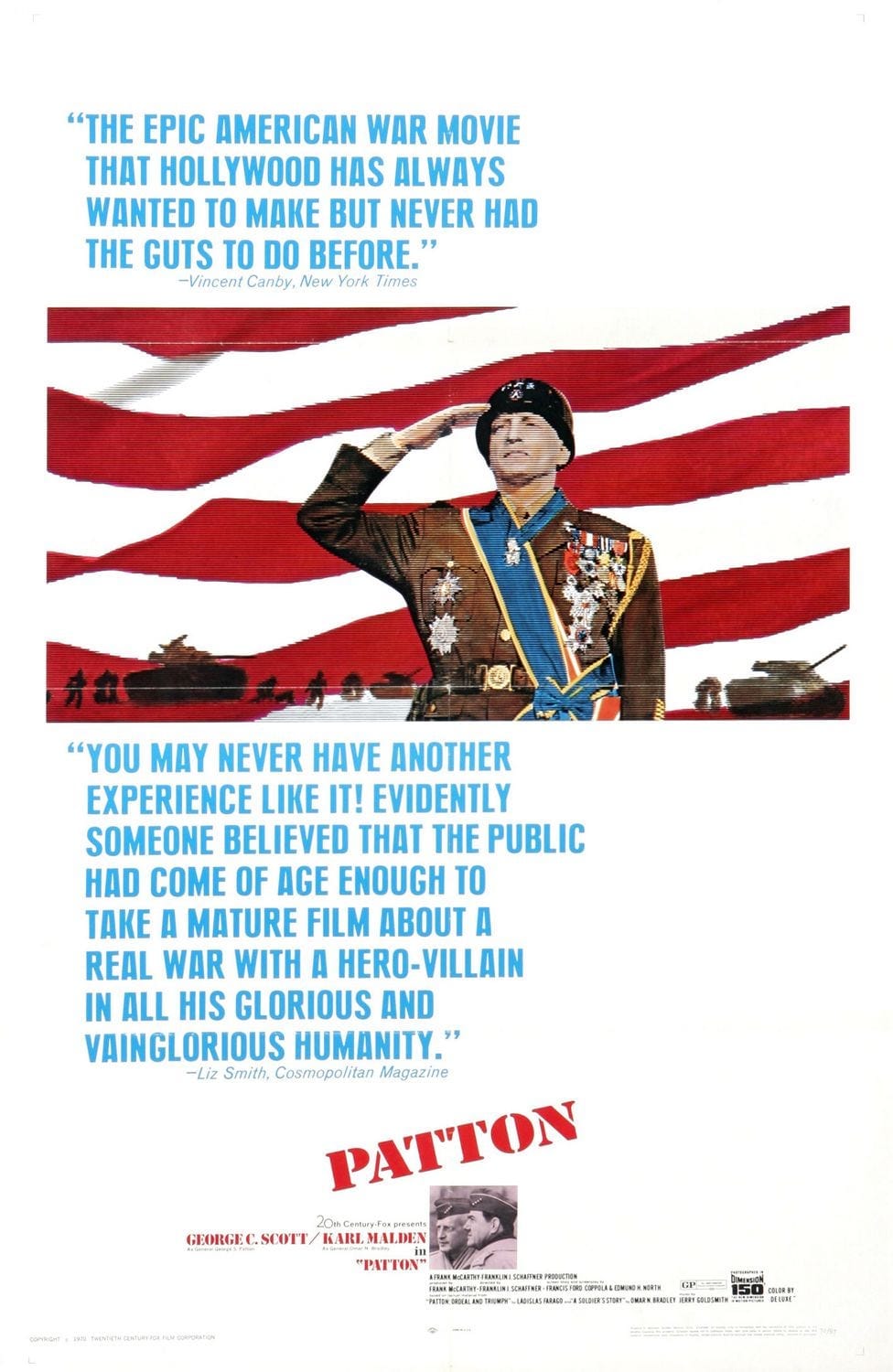
Biopic is an abbreviation of ‘biographical motion picture’. Per Wikipedia:
A film that dramatizes the life of an actual person or people. Such films show the life of a historical person and the central character’s real name is used. They differ from films “based on a true story” or “historical films” in that they attempt to comprehensively tell a person’s life story or at least the most historically important years of their lives.
Some examples of biopics:
Marie Antoinette (1938): The life of Marie Antoinette (1755–1793) from betrothal and marriage in 1770 to her beheading.
Young Mr. Lincoln (1939): A fictionalized account of the early life of the American president as a young lawyer facing his greatest court case.
Lawrence of Arabia (1962): A flamboyant and controversial British military figure and his conflicted loyalties during his World War I service in Arabia.
Coal Miner’s Daughter (1980): Biography of Loretta Lynn, a country and western singer that came from poverty to fame.
Raging Bull (1980): An emotionally self-destructive boxer’s journey through life, as the violence and temper that leads him to the top in the ring, destroys his life outside it.
The Elephant Man (1980): A Victorian surgeon rescues a heavily disfigured man who is mistreated while scraping a living as a side-show freak. Behind his monstrous facade, there is revealed a person of intelligence and sensitivity.
Reds (1981):A radical American journalist becomes involved with the Communist revolution in Russia and hopes to bring its spirit and idealism to the United States.
Silkwood (1983): The story of Karen Silkwood, a metallurgy worker at a plutonium processing plant who was purposefully contaminated, psychologically tortured and possibly murdered to prevent her from exposing blatant worker safety violations at the plant.
Amadeus (1984): The incredible story of Wolfgang Amadeus Mozart, told by his peer and secret rival Antonio Salieri — now confined to an insane asylum.
The Last Emperor (1987): The story of the final Emperor of China.
Malcolm X (1992): The biopic of the controversial and influential Black Nationalist leader.
Schindler’s List (1993): In Poland during World War II, Oskar Schindler gradually becomes concerned for his Jewish workforce after witnessing their persecution by the Nazis.
Ed Wood (1994): The mostly true story of the legendary director of awful movies and his strange group of friends and actors.
Erin Brockovich (2000): An unemployed single mother becomes a legal assistant and almost single-handedly brings down a California power company accused of polluting a city’s water supply.
Ray (2004): The life and career of the legendary popular music pianist, Ray Charles.
Milk (2008): The story of Harvey Milk, and his struggles as an American gay activist who fought for gay rights and became California’s first openly gay elected official.
The process of adapting a real person’s life into a movie story is one of the trickiest writing jobs around. The wealth of historical anecdotes and incidents is both a blessing and a curse: Generally great material, but too much of it. I’ve read a slew of interviews with screenwriters who echo this basic point: It’s almost more important what elements you choose to omit than what you decide to keep in the final story.
Sometimes a person’s life doesn’t lay out terribly well for narrative structure. Sometimes they do. In an article in “Written By” magazine, screenwriter Akiva Goldsman said that after he finished reading the Sylvia Nasar biography “A Beautiful Mind,” he immediately saw the three-act structure: Genius. Fall. Redemption. In either case, the screenwriter works by the golden rule of adaptation: Never let the facts get in the way of the story, an adage Goldsman followed big-time in adapting A Beautiful Mind. The Wikipedia entry lists some of the key changes in the movie:
The narrative of the film differs considerably from the actual events of Nash’s life. The film has been criticized for this, but the filmmakers had consistently said that the film was not meant to be a literal representation.One difficulty was in portraying stress and mental illness within one person’s mind.Sylvia Nasar stated that the filmmakers “invented a narrative that, while far from a literal telling, is true to the spirit of Nash’s story”. The film made his hallucinations visual and auditory when, in fact, they were exclusively auditory. It is true that his handlers, both from faculty and administration, had to introduce him to assistants and strangers. The PBS documentary A Brilliant Madness attempts to portray his life more accurately.
The differences were substantial. Few if any of the characters in the film, besides John and Alicia Nash, corresponded directly to actual people. The discussion of the Nash equilibrium was criticized as over-simplified. In the film, schizophrenic hallucinations appeared while he was in graduate school, when in fact they did not show up until some years later. No mention is made of Nash’s supposed homosexual experiences at Rand which Nash and his wife both denied.
Nash also fathered a son, John David Stier (born 19 June 1953), by Eleanor Agnes Stier (1921–2005), a nurse whom he abandoned when informed of her pregnancy.
The movie also did not include Alicia’s divorce of John in 1963. It was not until Nash won the Nobel Memorial Prize that they renewed their relationship, although she allowed him to live with her as a boarder beginning in 1970. They remarried in 2001.
But when John Nash himself attended the movie’s premiere, he said afterward, “That was my life.” Not his literal life perhaps, but his emotional and psychological experience. And in that respect, we can say that Goldsman nailed the adaptation.
That’s in keeping with Hollywood’s general approach to biopics: Never let the facts stand in the way of the story.
What are your favorite biopics? Why do you think they are so popular?
This is the final post in a monthly series. Have you learned anything from it? If so, please let us know in comments.
Comment Archive