The Business of Screenwriting: Everything You Wanted to Know About Specs Part 9: “Own All the Tickets”
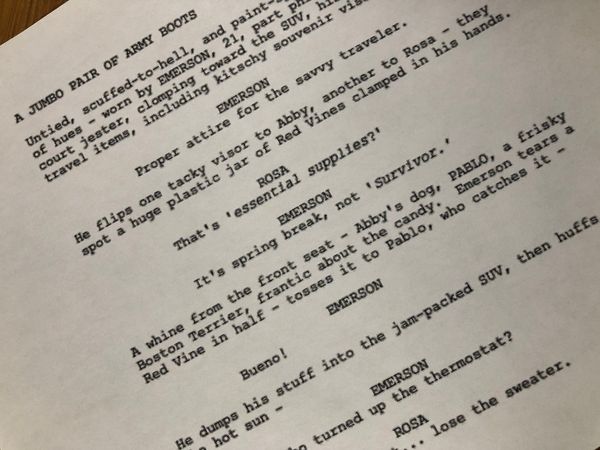
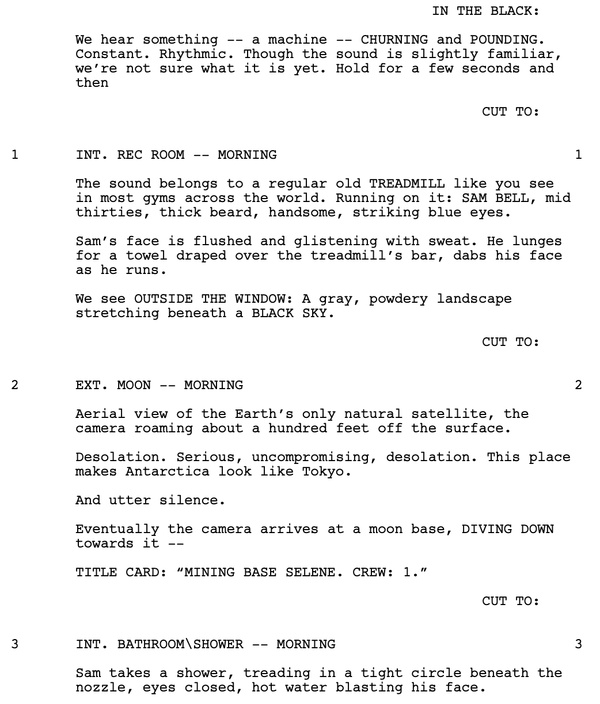
Character Introductions: Part 3 Think there’s nothing to introducing characters in a script? Think again!
Great Scene: “(500) Days of Summer” Tom’s best day ever plays out as a music video accompanied by Hall & Oates.
Character Introductions: Part 2 Think there’s nothing to introducing characters in a script? Think again!
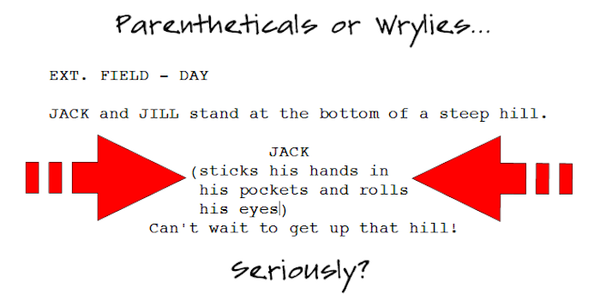
Trimming Tricks of the Trade: Minimize Parentheticals Here is another way to help with your page count.
Reader Question: How insane is it for a forty-six year-old to try to start a Hollywood writing… It’s crazy, but then it’s crazy for ANYONE to expect to break into Hollywood.
Screenwriting 101: Lawrence Block “One thing that helps is to give myself permission to write badly. I tell myself that I’m going to do my five or ten pages no matter what…
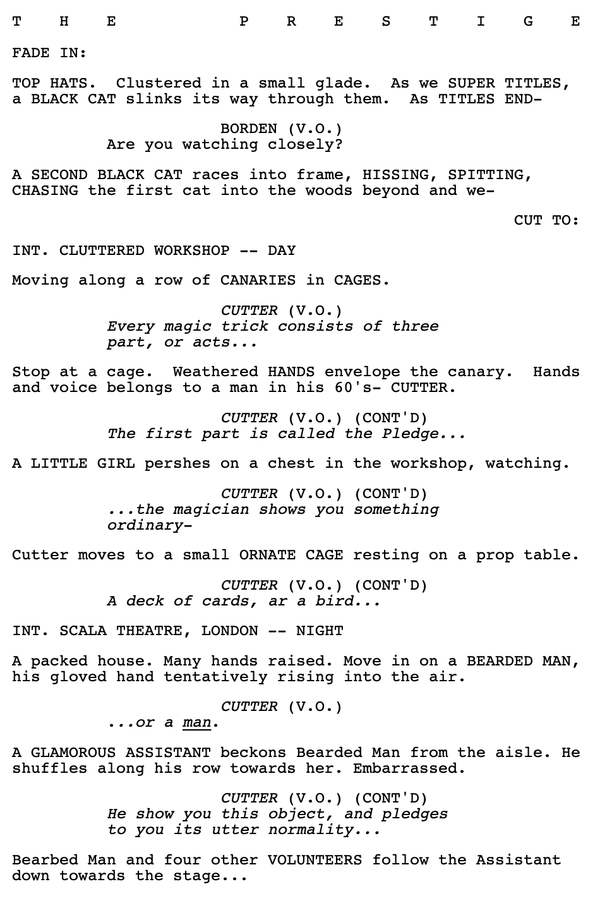
Page One: “The Prestige” (2006) Screenplay by Jonathan Nolan and Christopher Nolan, novel by Christopher Priest
Character Introductions: Part 1 Think there’s nothing to introducing characters in a script? Think again!
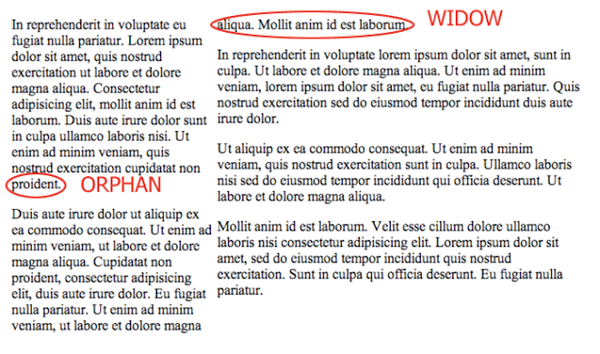
Trimming Tricks of the Trade: Lose the Orphans One way to cut pages while not messing with the integrity of the story.
The Coen Brothers, Storytelling, and Fate A poem by Ethan Coen reveals a key clue to the brothers’ story sensibilities.
On Writing “Part of the storytelling ability is simply the anticipation of boredom and the introduction of a sudden surprise. To be a good storyteller…
Sundays with Stephen King’s “On Writing” A series featuring reflections on writing from the famed author’s memoir.
How Judd Apatow Wrote a Movie Using Email He emailed himself notes which became the foundation for the movie Knocked Up.
Video: David Lynch on Where Ideas Come From Story wisdom from the writer-director of such notable movies as Blue Velvet, Elephant Man, Twin Peaks, and Mulholland Dr.
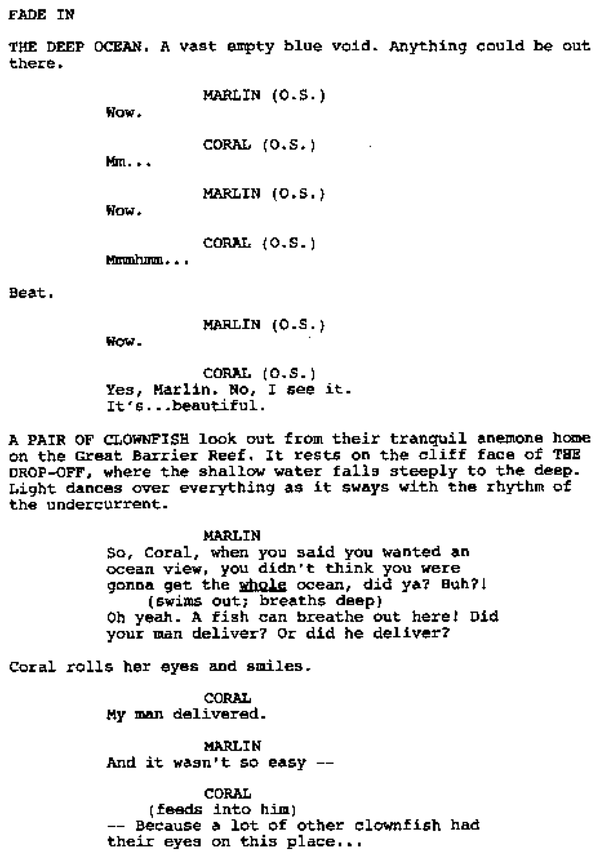
Page One: “Finding Nemo” (2003) Screenplay by Andrew Stanton & Bob Peterson & David Reynolds, original story by Andrew Stanton
Deep Work vs. Shallow Work As writers, we need to protect time for the former from the encroachment of the latter. Here are four strategies to do precisely that.