Features: Julia Hart (“The Keeping Room”) There is a movie coming out this weekend in select theaters here in North America I recommend you see. It’s called The Keeping Room, written by Julia Hart, directed by Daniel Barber, and starring Brit Marling and Hailee Steinfeld. I interviewed Julia back in February 2013 and will be
Daily Dialogue — September 26, 2015 Doctor: What are you doing here, honey? You’re not even old enough to know how bad life gets. Cecilia: Obviously, Doctor, you’ve never been a thirteen year-old girl. — The Virgin Suicides (1999), screenplay by Sofia Coppola, novel by Jeffrey Eugenides The Daily Dialogue theme for the week:
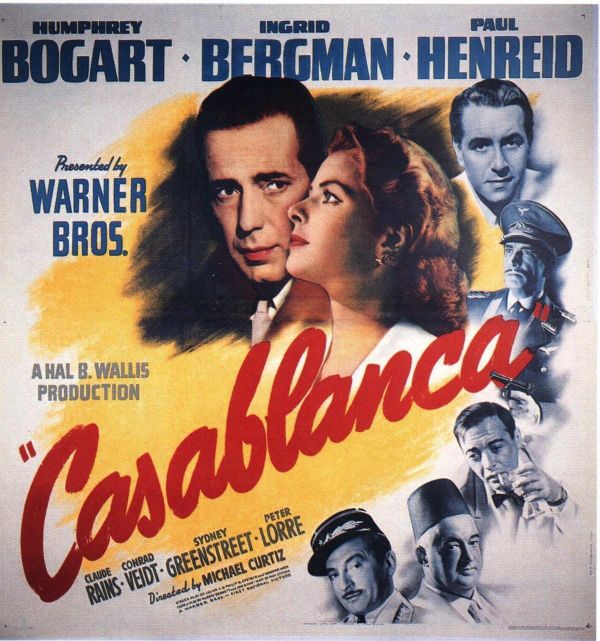
Go Into The Story Movie Analysis: “Casablanca” Starting Monday, I thought we’d try something different with our bi-weekly Go Into The Story Movie Analysis series: Dig into and analyze a classic movie. Since September is Classic 40s Movies month here at the blog, I figured why not review the 1941 movie Casablanca. What a great
Words of Wisdom from Franklin Leonard It’s been a delight getting to know and work with Franklin over the years, especially since we share the same professional North Star: Spotlighting great screenwriters, noteworthy scripts, and the craft of storytelling. For the last 4 years, Franklin has graciously agreed to do a Skype Q&A
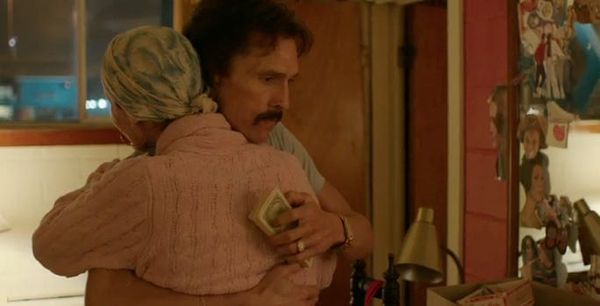
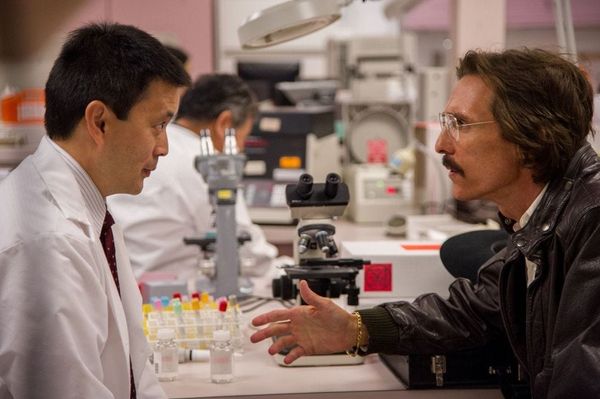
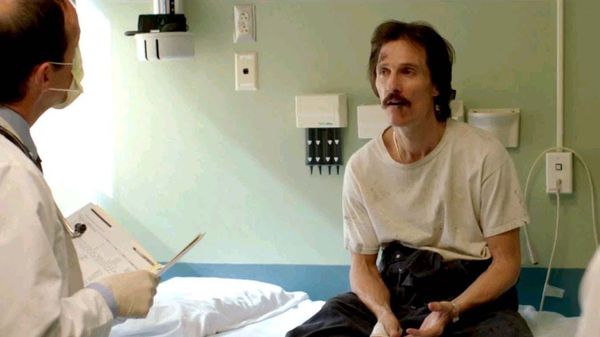
Script Analysis: “Dallas Buyers Club” — Part 5: Takeaways Reading scripts. Absolutely critical to learn the craft of screenwriting. The focus of this weekly series is a deep structural and thematic analysis of each script we read. Our daily schedule: Monday: Scene-By-Scene Breakdown Tuesday: Major Plot Points Wednesday: Sequences Thursday: Themes Friday: Takeaways Today: Takeaways. This week,
Classic 40’s Movie: “It’s a Wonderful Life” September is Classic 40s Movie month. Today’s guest post comes from David Laudenslager. Movie Title: It’s a Wonderful Life Year: 1946 Writers: Frances Goodrich & Albert Hackett and Frank Capra (screenplay), Jo Swerling (additional scenes), Philip Van Doren Stern (story) Lead Actors: James “Jimmy” Stewart, Donna Reed, Lionel
Great Scene: “Amadeus” This is one of my favorite all-time scenes, a brilliant inspiration for the viewer to hear what Mozart is ‘hearing’ in his own mind, but Solieri not to hear, both to give Solieri an actual taste of creative genius at work in the moment, and also to underscore to
Daily Dialogue — September 25, 2015 Charlie [on the phone]: Candice, I killed Aunt Helen, didn’t I? She died getting my birthday present, so I guess I killed her, right? I tried to stop thinking that, but I can’t. She keeps driving away and dying and I can’t stop her. Am I crazy,
Of Mystery and Monologues Earlier this week, I posted a recent tweet from writer-director Christopher McQuarrie (Edge of Tomorrow, Mission: Impossible — Rogue Nation): That elicited this comment from Jeff Guenther: Mysteries are an odd genre. The conclusion (or “summation”) of a mystery raises hob with the Hero’s Journey and most other structures.
Spec Script Deal: “The Virginian” New Line acquires historical action thriller spec script “The Virginian” written by Michael Gunn. From Deadline: The script’s movie potential is best described as Last of the Mohicans meets Braveheart. A down-and-out, young George Washington — desperate to join the British Army — accepts a dangerous mission to conquer
Script Analysis: “Dallas Buyers Club” — Part 4: Themes Reading scripts. Absolutely critical to learn the craft of screenwriting. The focus of this weekly series is a deep structural and thematic analysis of each script we read. Our daily schedule: Monday: Scene-By-Scene Breakdown Tuesday: Major Plot Points Wednesday: Sequences Thursday: Themes Friday: Takeaways Today: Themes. I have
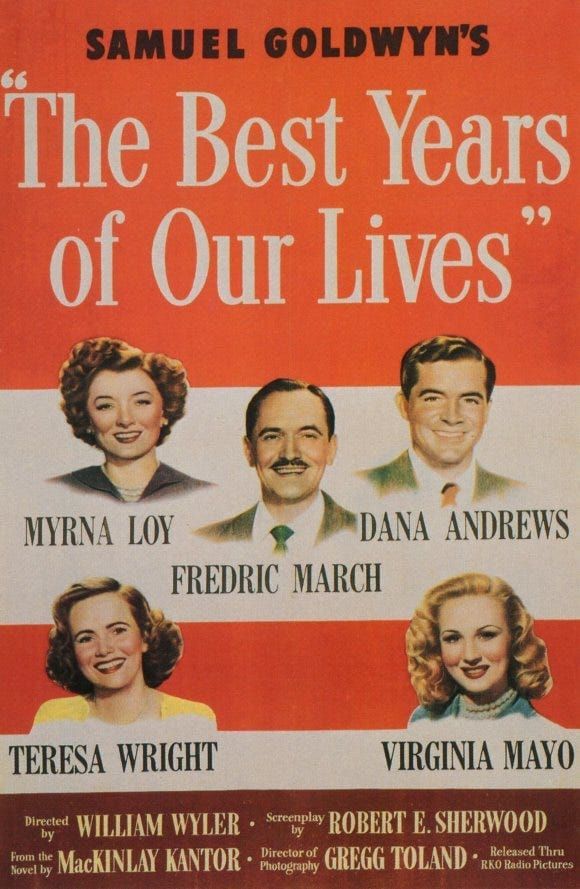
Classic 40s Movie: “The Best Years of Our Lives” September is Classic 40s Movie month. Today’s guest post comes from Shaun Parker. Title: The Best Years of Our Lives Year: 1946 Writer: Robert E. Sherwood’s screenplay was based on MacKinlay Kantor’s novel, Glory for Me Lead Actors: Myrna Loy, Fredric March, Dana Andrews, Harold Russell, Teresa
Writing and the Creative Life: Routine or Ritual? I am fascinated by creativity, in particular how creativity manifests itself in the wide variety of people I meet or learn about. That has been one of the more intriguing aspects of the many interviews with writers I’ve been fortunate enough to do this year. Those of you who
Daily Dialogue — September 24, 2015 MARVIN: I think you ought to know I’m feeling very depressed. TRILLIAN: Well, we have something that should take you rmind off things. MARVIN: It won’t work. I have an exceptionally large mind. TRILLIAN: Yeah, we know, but we need you to go down to the number two
Movies You Made: “Breaking Up When You’re Still In Love” For the last 8 years, one of the many professional hats I’ve worn has been as a visiting lecturer in the Writing for Screen and Stage program at the University of North Carolina in Chapel Hill. And as a screenwriting teacher, one of the great joys is to watch
Script Analysis: “Dallas Buyers Club” — Part 3: Sequences Reading scripts. Absolutely critical to learn the craft of screenwriting. The focus of this weekly series is a deep structural and thematic analysis of each script we read. Our daily schedule: Monday: Scene-By-Scene Breakdown Tuesday: Major Plot Points Wednesday: Sequences Thursday: Themes Friday: Takeaways Today: Sequences. A sequence
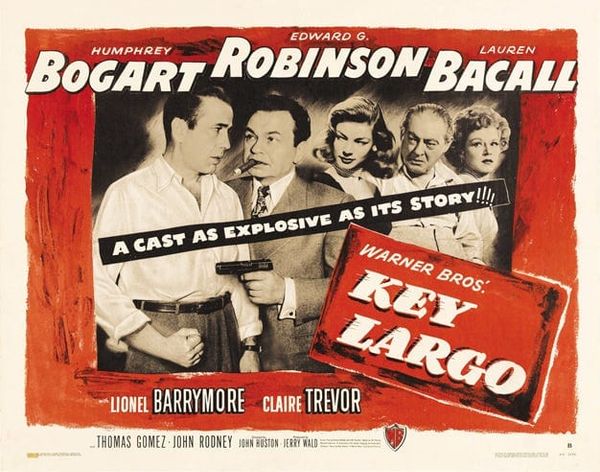
Classic 40s Movie: “Key Largo” September is Classic 40s Movie month. Today’s guest post comes from Will King. Movie Title: Key Largo Year: 1948 Writers: Screenplay by Richard Brooks and John Huston; based on the play by Maxwell Anderson Lead Actors: Humphrey Bogart, Lauren Bacall, Edward G. Robinson, Lionel Barrymore, Claire Trevor Director: John
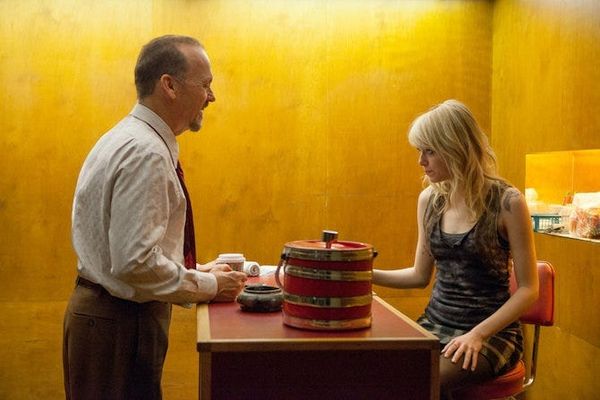
Script To Screen: “Birdman: Or (The Unexpected Virtue of Ignorance)” So many great monologues in the 2014 movie Birdman: Or (The Unexpected Virtue of Ignorance), but this one may be the best. Setup: Under enormous personal pressure and his Broadway play on the verge of imploding, Riggan (Michael Keaton) busts his daughter Sam (Emma Stone), who has been in rehab,
Daily Dialogue — September 23, 2015 Megan puts the dogs on the porch then closes the door. Then she sits on the couch with Annie. MEGAN: Heel. Heel. ANNIE: How many did you take? MEGAN: Oh. Uh, I took nine. I overcommitted with this whole dog thing. I’d probably be more comfortable with six. It’
Reflections of Black List Toronto Mini-Lab Writers On the weekend of September 11–13, four writers gathered in Toronto for an exciting event: The second Black List Mini-Lab. The writers — Erin Cardiff, Stephen Davis, Mary Goldman, and Tim Visentin — had been selected on the basis of scripts they had uploaded to the Black List website and
Script Analysis: “Dallas Buyers Club” — Part 2: Major Plot Points Reading scripts. Absolutely critical to learn the craft of screenwriting. The focus of this weekly series is a deep structural and thematic analysis of each script we read. Our daily schedule: Monday: Scene-By-Scene Breakdown Tuesday: Major Plot Points Wednesday: Sequences Thursday: Themes Friday: Takeaways Today: Major Plot Points.
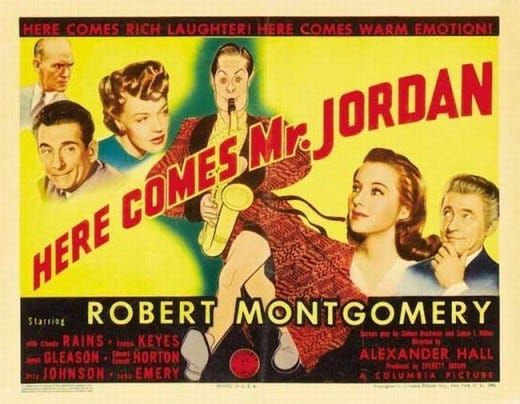
Classic 40s Movie: “Here Comes Mr. Jordan” September is Classic 40s Movie month. Today’s guest post comes from Wayne Kline. Movie Title: Here Comes Mr. Jordan Year: 1941 Writers: Two Oscar wins for Best Writing! Harry Segall won the Academy Award for Best Writing, Original Story based on his play “Heaven Can Wait”. And Sidney Buchman
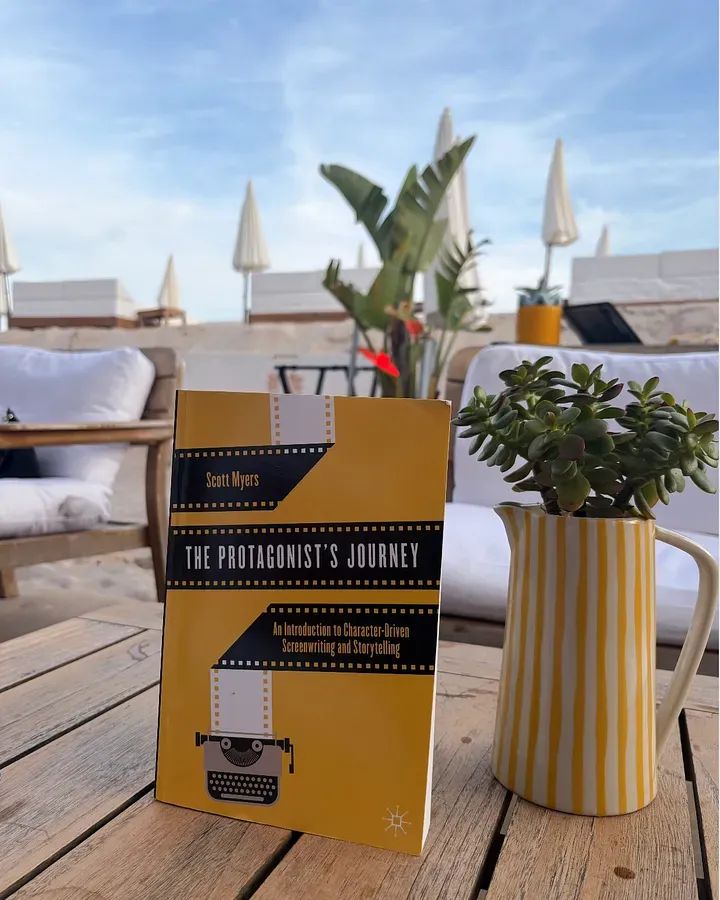
Screenwriting 101: Christoper McQuarrie “Screenwriting tip: A mystery is only as good as its conclusion, especially if that conclusion is a monologue explaining the mystery.” — Christopher McQuarrie For 100s more articles in the Screenwriting 101 series, go here. The Protagonist’s Journey: An Introduction to Character-Driven Screenwriting and Storytelling is a #1 Best
Daily Dialogue — September 22, 2015 SERA: I’m from the East. I went to college, did an arts course. I now live in Vegas. I think of it as home. I came here deliberately to carve out a life. I was in LA before, but I’ll come back to that later. (pause) The tough
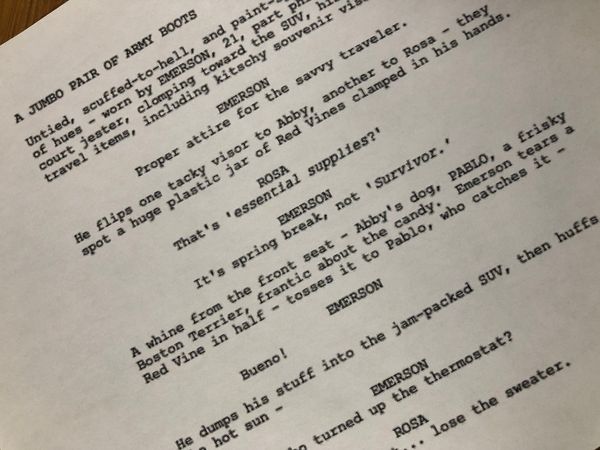
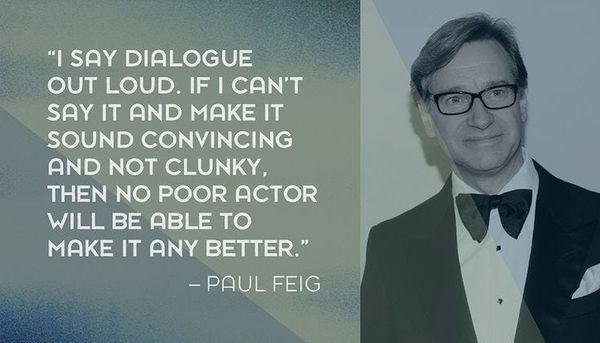
The Mysteries of Writing Dialogue There are many intangibles about the craft of screenwriting. Much of that derives from the fact that story itself is organic. Stories — good ones, at least — are not formulas. They are not widgets. Rather they are living, breathing entities with a heart, soul, and even will of their own. They