Reader Question: What to do if a movie is similar to my script?
Question via Twitter from @auntiemamer:
Saw a film last night wherein ending was beginning of ©’d treatment I posted to Screenwriters Guild two years ago. Common? What should I have done or not? Thank you so much, Scott!
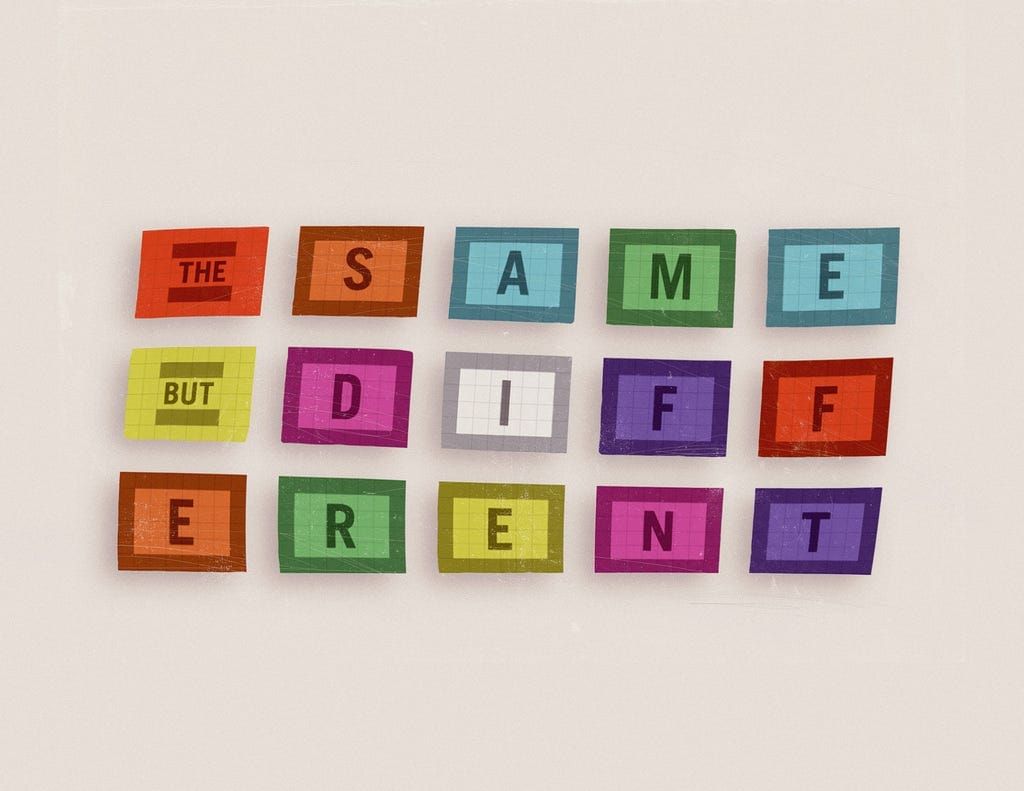
This questions brings us to the ‘similar but different’ mentality that exists in the Hollywood film and TV business. It boils down to this: Studios, producers and networks generally want to work with projects that are similar to successful, already produced movies or TV series, yet different enough to be distinct. Why?
* Similar: This plays to the buyer’s comfort level. It is safer — and therefore easier — to commit to a project that is like a predecessor because the buyer can always point to the success of the previous project. There’s also a marketing component as the new project can ‘draft’ on consumer awareness of the earlier one.
* Different: This plays to the buyer’s understanding of consumers who, via the marketing of the new project, have to feel like it’s unique enough from previous similar projects to warrant their attention. In other words, it can’t come across as simply a clone or rehash of a previous story.
With that as background, let’s consider the question from two angles. First, if the issue is “My script as currently written turns out to have some elements that are awfully similar to a movie that I have just become aware of, should I change those parts of my story,” there’s no clear answer because there are so many questions to address. How important are the scenes / sequences in question? In what ways are the scenes / sequences similar: Concept, execution? How much page count do the similar scenes / sequences comprise in your script? My advice? Do a thorough compare-and-contrast of the two, then put on your producer’s hat: If I read this script as a Hollywood buyer, would I think these scenes / sequences were too similar to the previous movie and too visible in terms of their role in the script? If your gut says no, perhaps you can leave it as is. If your gut says yes, then consider rewriting your pages.
Second, if the issue is “The scenes / sequences in this movie are so similar to my script, I can’t help but think someone read my screenplay and ripped off my ideas,” time for a reality check: There’s a 99.9% chance that did not happen, especially if the possible point of intersection between a producer and your script was the Writers Guild registration service. Believe me, studios do not have the time or resources to go through the 30,000+ scripts that supposedly get registered each year. The most likely scenario is you had your ideas and they had their ideas, and the ideas just happen to be quite similar. This is a fact of life. I blogged about it here: Someday someone WILL beat you to the punch. With so many writers working on so many stories, it is inevitable there are other stories, either already produced, in development or being written similar to something you or I are working on.
Note: This is more true if you are writing mainstream, commercial, high-concept stories. If, on the other hand, you traffic in quirky, unusual indie fare, less likely precisely because of the distinctive nature of this type of storytelling. So if you really want to decrease the odds of someone beating you to the punch, be like Charlie Kaufman and work on stories like Synecdoche, New York.
Hopefully the content in question is innocuous enough, you don’t have to rewrite your script. But if you do have to revise it, why not adopt the attitude of a professional screenwriter: There is always another way. We are used to rewriting, cutting, changing, revising. It comes with the territory.
And worst case scenario: The similarities are so profound and so large in scope, your script is in effect DOA, that is, indeed, a bitter pill to swallow. However it shows one thing: Your creative instincts are aligned with what Hollywood is producing. Cold comfort, I know, but at least it’s something.
Note: Before you submit your script anywhere in Hollywood, you should copyright it, not register it with the WGA. Why? Go here.
For more background:
A ‘similar but different’ primer
How far can a writer go with the ‘similar but different’ approach?
How about you, readers? Do you have any advice for @auntiemamer? If so, please head to comments for your thoughts on the matter.