Saturday Hot Links
Time for the 292nd installment of Saturday Hot Links, your week’s essential reading about movies, TV, streaming, Hollywood, and other…

Time for the 292nd installment of Saturday Hot Links, your week’s essential reading about movies, TV, streaming, Hollywood, and other things of writerly interest.
2017 Cannes Winners: Complete List.
9 Thoughts on Cannes 2017.
Which Cannes Movies Could Become Oscar Contenders.
How Lynne Ramsay Got Over ‘Jane Got A Gun’ & Embraced Joaquin Phoenix Noir ‘You Were Never Really Here’.
6 Filmmaking Tips from ‘Wonder Woman’ Director Patty Jenkins.
Summer 2017 Film Preview… for Women!
Can Universal Create a Marvel-Like Universe With ‘The Mummy’ and Other Monster Flicks?
Why Adam McKay Believes Hot-Button Politics Can Grow Into A Viable Film Genre.
Producer Mark Gordon Slips the Bonds of Hollywood.
Diablo Cody to Write Alanis Morissette’s ‘Jagged Little Pill’ Musical.
Read the script pages for James Bond’s first ever scene.
Wonderful, Horrifying Tales of Film School Failure.
‘Baywatch’ flop shows how Hollywood has failed us.
Critics Want What You Want: Good Movies, Period.
‘Back to the Future’ Fan Gets Speeding Ticket for Hitting 88 MPH in DeLorean.
The Physics of Ramming an Imperial Star Destroyer, Explained.
3 Key Questions for Indie Filmmakers Building a Career in the Age of Netflix and Amazon.
‘Breaking Bad,’ ‘Mad Men,’ and 7 More TV Series That Should Never Be Made Into Films.
AMC Sets Three Dramas on Straight-to-Series Development Track.
‘Westworld’ Cast and Creators Celebrate Powerful Female Heroes at FYC Emmy Event.
Netflix Orders First Turkish Original.
Facebook to Pay as Much as $250,000 Per Episode for Originals.
The 25 Best Drama Schools for an Acting Degree.
John August: This is why you want a writer’s agreement.
Scriptnotes: Episode 302.
Watch: How To Draw A Studio Ghibli Movie.
Watch: Best Dialogue of All Time.
Watch: A 1997 BBC interview with Steven Spielberg by Barry Norman.
Watch: Lexus Short Film Series Winners Unveiled.
‘The Leftovers’ Review: President Justin Theroux Unveils the Purpose of Season 3 in an Inspired Penultimate Episode.
‘The Leftovers’ Recap: Kevin Can Wait.
Why ‘The Leftovers’ Did an ‘International Assassin’ Sequel.
‘The Leftovers’: One Last Dance for Ann Dowd and Justin Theroux.
‘The Leftovers’ Star Justin Theroux on Penultimate Episode’s “Unique Biometrics” Focus.
‘The Leftovers’: Liv Tyler Reflects on Playing the Mysterious Meg.
‘The Leftovers’: The 7 Filmmakers That Made It One of Television’s Best Directed Series.
Why The Leftovers’ gently suicidal mood is perfect for this age of American decline.
‘The Leftovers’: Life, Death, Einstein and Time Travel.
In Its Third Season, ‘The Leftovers’ Makes Agnosticism Thrilling.
The Apocalypse According to “The Leftovers”.
Screenwriting Master Class tip of the week
There is no right way to write. Each writer is different. Each story is different. There is no single universal approach that works for everyone.
However in my view, it is impossible to overstate the importance of prep-writing. Brainstorming. Character development. Research. Plotting. Index cards. Outline. However you do whatever you do leading up to FADE IN, do it and do it an immersive, thoughtful way.
In other words, break your story in prep.
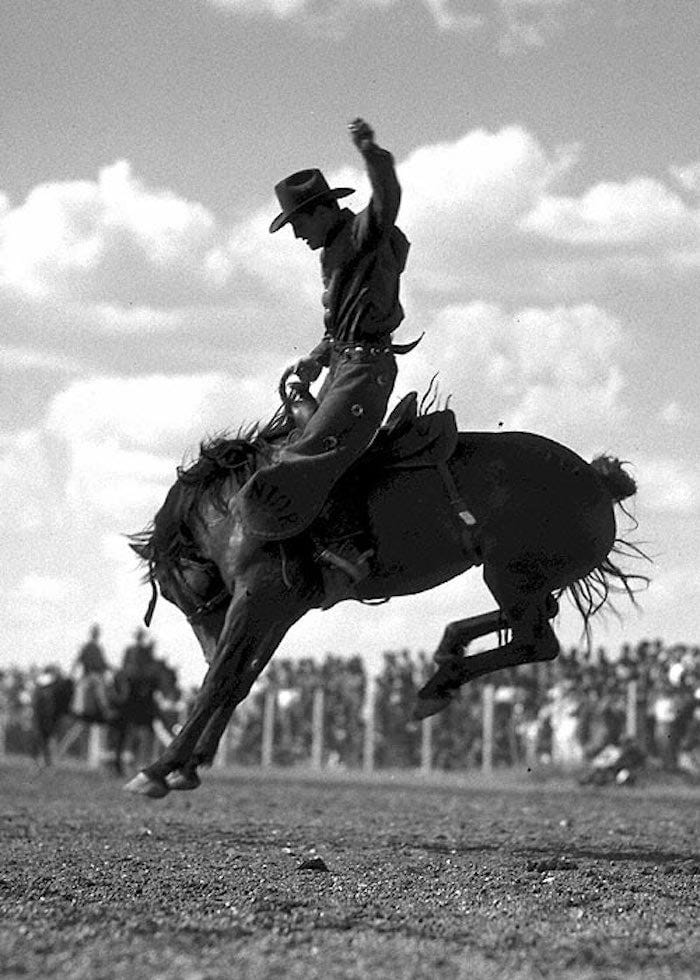
I understand writers have an itch to get into the page-writing, which is great because that can help overcome the single greatest challenge of writing: depositing one’s ass onto one’s chair to actually write.
However we have to balance that out with finding the story.
Some writers absolutely loathe and can’t handle any sort of prep. They simply have to type FADE IN (or if a novel, crack open that file) and have a go at it. Nothing wrong with that… if it works.
Repeat: You may be a writer who either cannot abide the process of prep-writing or find it actually inhibits your creativity. Whatever approach you discover that works for you, even if it involves little or not prep work, good luck and go with God.
First, in my experience a writer is much less likely to finish a script if they haven’t figured out at least the major plot points before they type FADE IN. If they get lost, confusion sets in. If they are not finding the story, their enthusiasm wanes. At some point, frustration enters, then bitterness, then rejection. Another script on the Died On The Vine pile.
Second, even if they do manage to get to FADE OUT — and acknowledging that a first draft is always going to be rough — unless they do 10–15 drafts, I doubt they will ever find the story they could have discovered if they had fully immersed themselves in it in prep. That is one of the big values of brainstorming and character development especially, giving yourself the freedom to explore and test out a wide variety of narrative options as opposed to narrowing the field of choices before surfacing other possibilities.
Third, if a writer wants to have a realistic chance at succeeding as a professional writer, they have to be able to turn around stories in an efficient manner. You sign a contract on a writing assignment giving you ten weeks to deliver, you’d better be prepared to do precisely that. Having figured out whatever sort of approach to prep you use is a big plus in that regard rather than watching the ink dry on your contract, then going, “Uh, what do I do now?”
On a side note, if you have any interest in writing TV, whether you like prep-writing or not, you are simply going to have to embrace it. For example in one-hour dramas with narrative arcs that extend over the course of one or more seasons, they break all or almost all of that out before divvying out scripts to individual writers. In fact, I think it’s safe to say a majority of time in the writers room is devoted to breaking stories (after shooting the shit and eating snacks, of course).
So different strokes for different folks and all that. And yes, we all want and need to leave room for the mysteries and surprises of stories to reveal themselves. If a full outline stifles your creativity, don’t do a full outline.
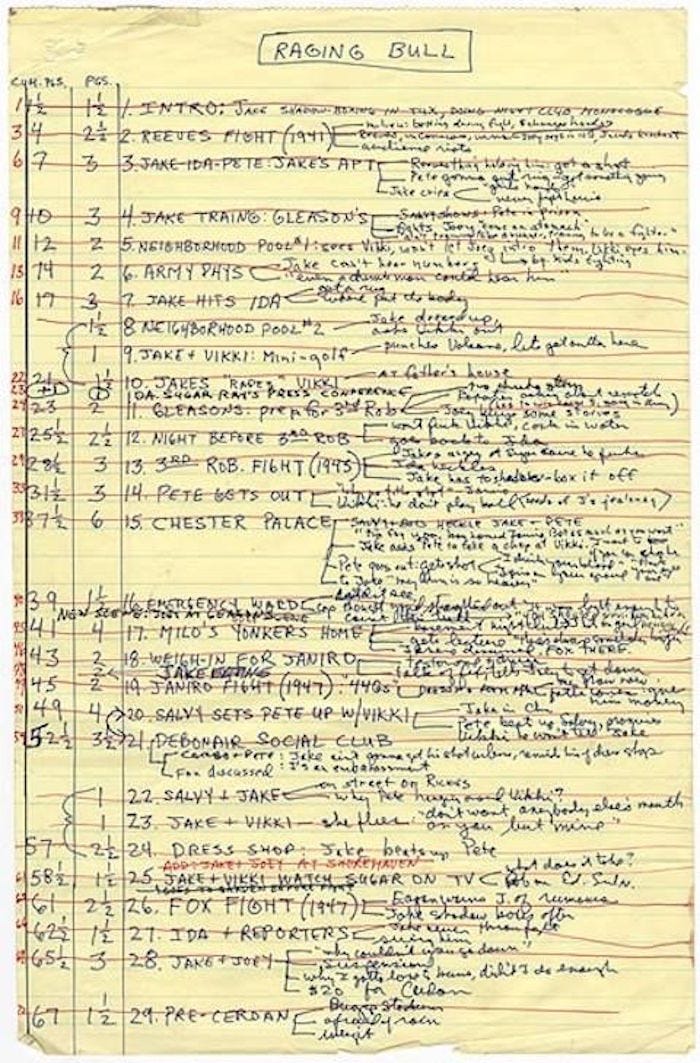
However for writers not of that ilk, my point is you need to figure out the story somehow. Why not do it in prep? Then you can concern yourself in page-writing with all the fun stuff of writing — scene description, character interaction, scene construction, transitions, atmospherics — rather than desperately attempting to sort out what goes where, does this work, oh my God, I’m lost.
Finally let me say this. I have seen writers get ‘converted’ on this point. Many who had never done much in the way of prep, some who said they knew it wouldn’t work for them. After I got done working with them, it was like the heavens opened and the light of revelation shone down upon them. I’m not kidding. I have dozens of testimonials to that effect.
The essence of prep-writing is really quite simple: Get curious about your characters. Engage them, get to know them, interact with them, listen to them, ponder their personal histories, delve into their personalities, dig, dig, and dig some more. If you do that in a thoughtful way, the story, indeed the plot itself will emerge as a natural part of the prep process.
I’ve seen it happen over and over and over and over again, which is why I say to most writers…
Break your story in prep.
If you are interested in learning a proven, professional approach to story prep, consider taking my Prep: From Concept to Outline workshop. I’m only offering two online sessions in 2017 — the first one beginning June 5, the second one on July 17. The beauty of this approach is three-fold:
- You can go into the page-writing part of the process with confidence because you’ve already broken the story.
- Since you won’t be overwhelmed with finding the story when writing pages, you can focus your creativity where it should be — characters, dialogue, themes, mood, pace, etc.
- By devoting six weeks to prep, you will almost assuredly cut the overall amount of time you spend writing your script and increase the odds you will finish your draft.
Here are a few testimonials from writers who have participated in the Prep: From Concept to Outline online workshop:
“‘From Concept to Outline’ is a course I wish I had known about a couple of years ago. I would recommend this whole-heartedly for anyone who is about to embark on their first script or ANY script. This lays the foundation stone to your story.” — Camilla Castree
“This has been an outstanding class. I’ve taken a few from other sources and most don’t live up to their promises (they shall remain nameless). But here, I’ve learned so much and gotten way more than my money’s worth.” — Daniel O’Donahue
“I went into Scott’s Prep class doubting I’d ever finish a script; I came out with the tools, confidence and inspiration to power through a complete first draft in just a few months. Amazing!” — Jessica Sada
Hurry. I’m limiting the number of roster spots to ensure I have enough time to provide the extensive feedback in I do for each writer’s weekly assignments and overall story development.
To learn more or enroll, go here.