Screenwriting Advice From The Past: The “Interest” [Part 1]
![Screenwriting Advice From The Past: The “Interest” [Part 1]](https://storage.ghost.io/c/8f/29/8f29b0a7-49e5-431c-a9bb-3ade9c0a785e/content/images/size/w2000/2026/08/1_6IHOtk5V6WUd6xr1kr3bEg.png)
“What he means by this “interest” query is to ask if your story has the element of human sympathy.”
If you are a screenwriter, you should know about Anita Loos. Loos was one of the most influential writers in the early stages of American cinema, associated with 136 film projects per IMDB.
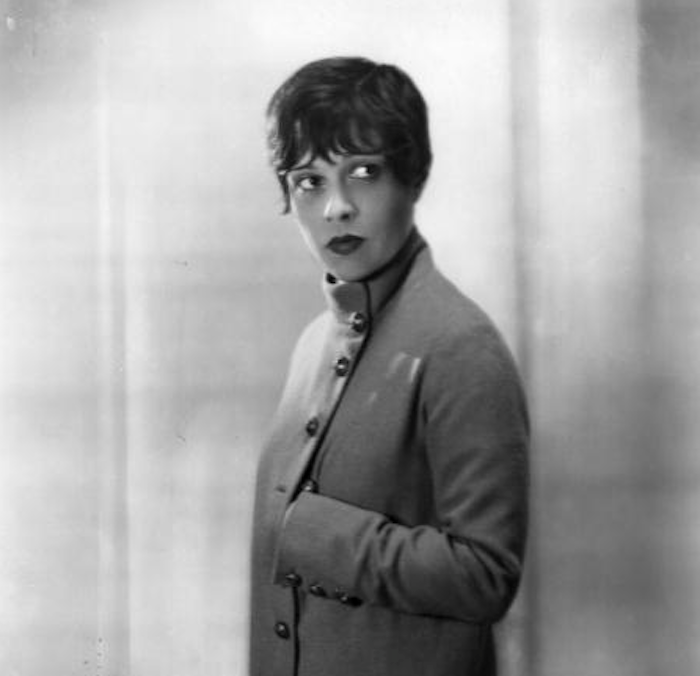
Married to writer John Emerson, the pair wrote one of the first books on screenwriting in 1920: “How to Write Photoplays”. I have been running a weekly series based on the book. You can access those posts here. Today: The “Interest” [P. 68]:
“What kind of a story is it?” will be the first question asked by the scenario editor when you have carried the office boy by storm. “Has it love interest, moral interest, or is it just another script?”
What he means by this “interest” query is to ask if your story has the element of human sympathy. It is a quality as elusive of definition as feminine charm, yet it is essential to any story more pretentious than the slap stick comedy.
Every motion picture must have something which strikes a responsive note in the hearts of the audience. Otherwise, it will begin to file out in the middle of the second reel, no matter how melodramatic the action or how imposing the scenery.
This is fundamental wisdom from decades ago: Make a script reader feel something. Create characters and a scenario that “strikes a responsive note in the hearts” of the reader. If you manage that, your story is much more likely to make an impression. Or as Franklin Leonard, founder of the Black List says:
“We don’t go to the movies for plot. We don’t go to the movies for information. We go to the movies to feel something, whether it’s to laugh or to cry, or to feel awe or to feel scared. If you don’t deliver those emotional sensations, no one is remembering your movie.”
You can read “How to Write Photoplays” via Google books online here.
To read my entire series of posts on highlighting takeaways from the book, go here.
Next week, more screenwriting advice from a century ago.