“Teenage Angst Trumps Sci-Fi at the Box Office”
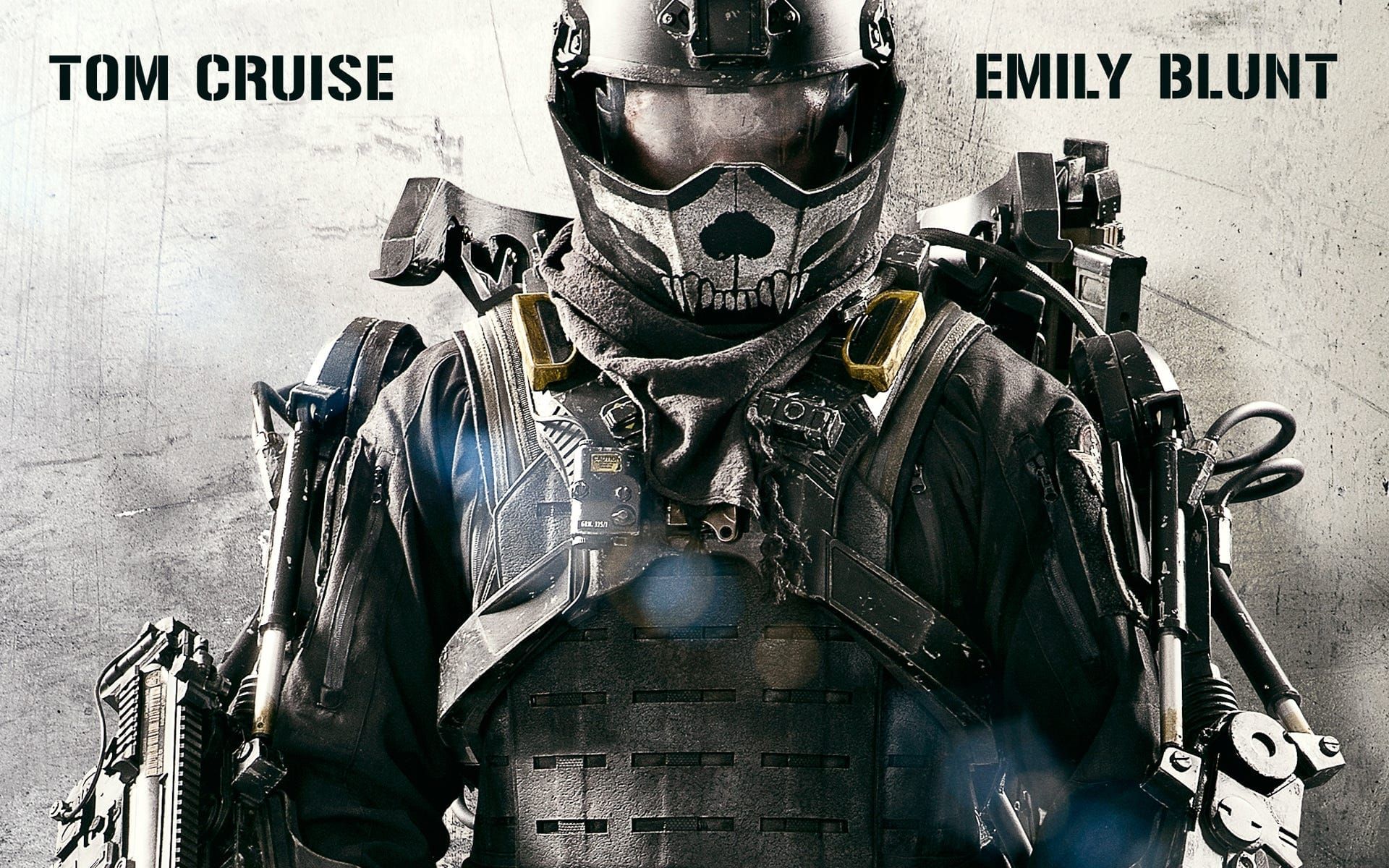
This past weekend offers a fascinating look at the current state of the movie business via the opening of two movies in wide release: The Fault in Our Stars and Edge of Tomorrow. Here is the New York Times’ take:
Social media came of age in Hollywood over the weekend.
“The Fault in Our Stars” took in a spectacular $48.2 million at North American theaters between Thursday night and Sunday, and it did so with nary a billboard in sight and no weekslong television ad barrage. In fact, 20th Century Fox spent less than $30 million on marketing, or half of what studios typically spend to introduce a summer film.
Instead, Fox relied heavily on Twitter, Tumblr, Instagram, Facebook and YouTube to cultivate ticket buyers for this little tear-jerker that could, which cost just $12 million to make. “Our campaign was all about igniting the core audience of teen girls and fans of the book with a lot of early engageable content that went viral very fast,” said Marc Weinstock, Fox’s president for domestic marketing.
“The Fault in Our Stars,” about two teenagers who fall in love while battling cancer, was adapted from John Green’s best-selling book of the same title.
Warner Bros., by contrast, threw everything it had at “Edge of Tomorrow,” a science-fiction film starring Tom Cruise and Emily Blunt that cost $178 million to make. But a full-frills marketing and publicity campaign could not overcome a stubborn marketplace suspicion that “Edge of Tomorrow” was skippable: Ticket sales totaled $29.1 million, a gloomy total for such an expensive picture.
That box-office result was not even good enough to beat the second weekend of Disney’s “Maleficent,” which took in about $33.5 million to place second behind “The Fault in Our Stars.” “Maleficent” has taken in $127.4 million in North America and an additional $208.1 million internationally, according to Rentrak, which compiles ticketing data. Warner noted that “Edge of Tomorrow” performed substantially better overseas, where ticket sales have so far totaled about $111 million.
This post will wander a bit, but bear with me as I think it’s worth it. First, the mind boggles at the potential takeaway writers have here courtesy of the minds of movie marketing experts. Let’s parse the jargon. First The Fault in Our Stars:
* “igniting the core audience”: Or ‘target demo’, specifically adolescent girls, an approach which worked because 80% of the movie’s audience over its first weekend was this group. Takeaway: Does your story have a specific ‘core audience’ a movie studio’s marketing department can zero in on in their marketing campaign?
* “early engageable content”: This is like the ultimate in jargon. “Engageable content” seems pretty straightforward, narrative material that will resonate with the core audience. But ‘early’? I’m guessing that means the John Green novels upon which the movie is based which leads us into pre-awareness territory, easy to do when there have been over 12 million copies of the book sold to date. Takeaway: Short of writing a hugely popular novel, write a story that traffics in themes universal to a large target demo.
* “went viral very fast”: This is all about social media and frankly TFIOS is all about that, playing directly into the wheelhouse of the movie’s target demo. Takeaway: Does your story lend itself to a social media marketing campaign?
All that related to TFIOS. What about Edge of Tomorrow?
* “full-frills marketing and publicity campaign”: We are talking a traditional ad campaign. Trailer, newspaper ads, talent appearances on TV shows, heavy presence in TV commercials. This last item is a cornerstone of most movie marketing campaigns, push the message out there to a maximum audience. But compared to TFIOS, a smaller, but uber passionate core audience, Fox didn’t need much of a TV presence to generate buzz, relying on alternative social media platforms. Whereas the team behind EOT needed to do something to distinguish the movie from all the other consumer marketplace noise out there.
* “overcome a stubborn marketplace suspicion”: We’re talking Tom Cruise, who is Old School. We’re talking world-in-danger-of-alien-takeover which we’ve seen many times before. And in my opinion the biggest problem with EOT, we’re talking this:
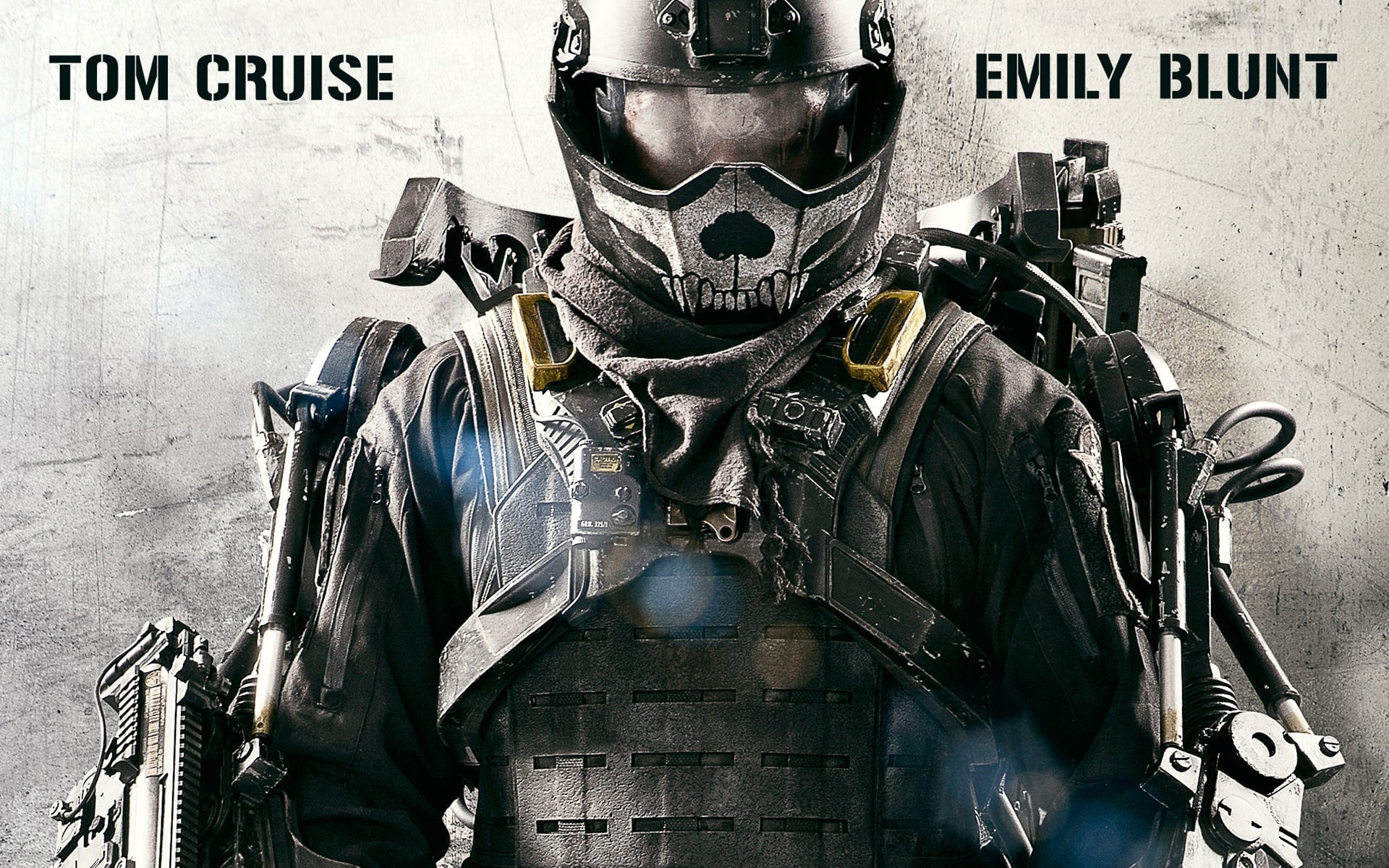
Human beings attired or manipulating mechanistic / robotic body suits like this:

Pacific Rim
Elysium
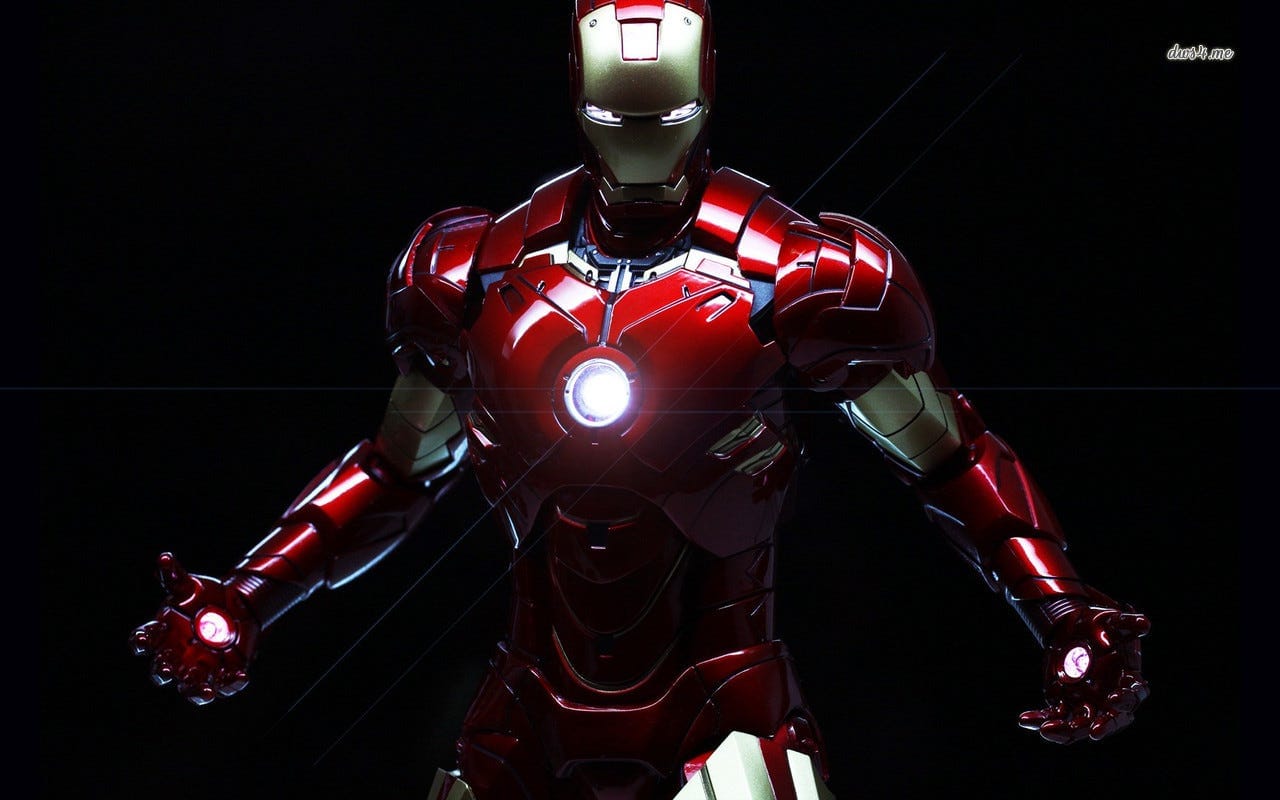
Iron Man
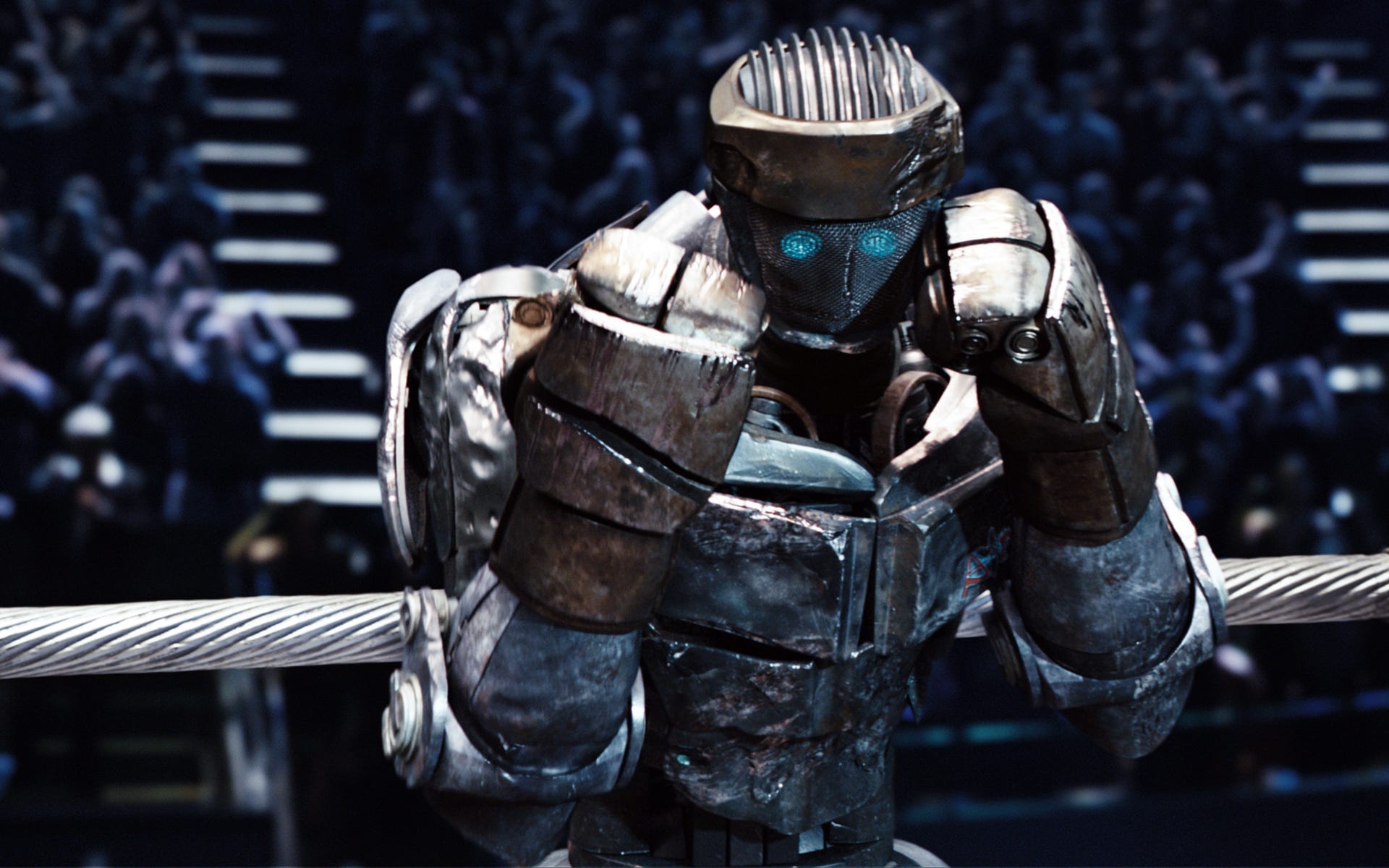
Real Steel
And just mechanical robot entities in general:

Transformers
In other words, this whole narrative angle, while still popular with straight-up fans, is pretty much played out with the general populace because we have seen too goddammed much of it. Which leads to this:
* “skippable”: What is compelling about Edge of Tomorrow in light of all the mechanistic robot warrior movies that have come before in the last few years? Clearly a lot of movie fans decided there wasn’t much to drive them to theaters last weekend, that yet another mechanized warrior movie was, indeed, skippable.
Personally, I think Warner Bros. would have been better served to shift their focus in marketing the movie away from the machines and more toward the human elements of the story: (1) The humor. (2) The relationship between Cage and Rita. Robotic / human machine weapons we’ve seen by the dozens and for decades. I mean, does anyone remember this?
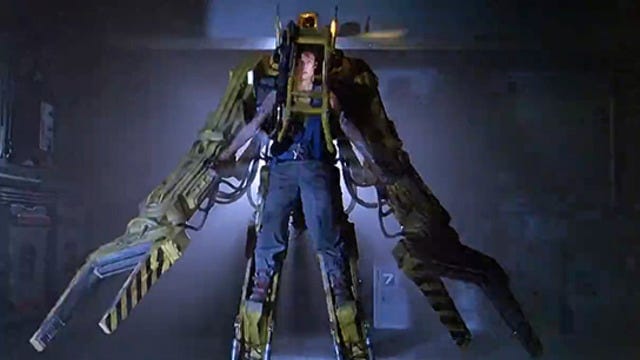
That’s Ellen Ripley from the 1986 movie Aliens. 1986! Nearly 30 years ago! Perhaps a big part of the tepid audience turnout for Edge of Tomorrow is people saying, “Isn’t it about damn time we are done with this mechanized body suit shit, at least for awhile?”
But genuine human connections? That will always connect with audiences… because at the end of the day, we are not machines. We are human beings with beating hearts. Just like The Fault in Our Stars.

Honestly, if you strip away all the science fiction from Edge of Tomorrow… and the aliens… and the robotic fighting gear… the relationship between Cage and Rita is very much the same as Hazel and Gus.
No, I’m serious!
* Both are comprised of couples who start out in very different emotional places.
* Both share a unique physical condition with which each of them can relate (Hazel and Gus: Cancer / Cage and Rita: Repetitive Death).
* Both grow to love each other over time.
* Both have to deal with the ultimate tragedy in the human experience: Our terminal status.
TFIOS succeeded at the box office in large part because it is a love story.
EOT could have worked a similar angle in its marketing because it is — at its emotional core — a love story as well between Cage and Rita.
But no. Edge of Tomorrow was positioned as a big summer tentpole movie, so it had to focus on the kapow-boom-bang. That did nothing to distinguish the movie from the dozens of other similar mind-numbing VFX orgy-fests.
If I had been the studio chief, I would have brought out Edge of Tomorrow in October or March — less competition — and at least devoted some of the secondary advertising on the movie’s love story and humor. You’re going to get the hard core sci fi fans anyway. Expand the reach to couples and adults who are looking for intelligent and emotionally resonant stories, which I have argued here, EOT is.
At the end of the day, a major driver to consumer choices is emotion. Compare this:
http://www.youtube.com/watch?v=9ItBvH5J6ss
http://www.youtube.com/watch?v=vw61gCe2oqI
I think it’s wonderful The Fault in Our Stars performed so well. I desperately want to see more ‘small’ movies in theaters with a real beating human heart at its core. But there’s also got to be room for smart science fiction movies with well-drawn characters that provide us points of emotional connection.
After all at the end of the day… I think we all want to see love stories, no matter what their shape, size or scope.
And that may be the biggest takeaway of all in comparing TFIOS and EOT.
For the rest of the NYT article, go here.
ADDENDUM: I’ve read some critiques of Edge of Tomorrow in which their point is the whole reset dynamic is not made clear enough in the movie’s ads. That got me thinking: What was the original trailer for Groundhog Day like? Did they make reliving the same day over and over completely clear?
http://www.youtube.com/watch?v=tSVeDx9fk60
What are your thoughts about the marketing of Edge of Tomorrow? The Fault in Our Stars? Love stories? “Igniting the core audience”?
Comment Archive