The Business of Screenwriting: The Birth, Life and Death of a Movie (Part 2)
When we last left this intrepid screenwriter, I was stuck in 1997, left holding a phone, speechless after learning that a supposed done…

When we last left this intrepid screenwriter, I was stuck in 1997, left holding a phone, speechless after learning that a supposed done deal with Paramount to remake the 1955 comedy The Court Jester had just gone south after suits in various offices from Hollywood to Beverly Hills had determined that in fact, Paramount did not own the rights to said movie. [You may read all about it in Part 1].
Which has led to the improbable meeting between the screenwriting team of which I am a part and John Williams. No, not this John Williams.
This John Williams, a movie producer and founder of Vanguard Films/Vanguard Animation. Later he went on to produce a little movie franchise you may have heard of:
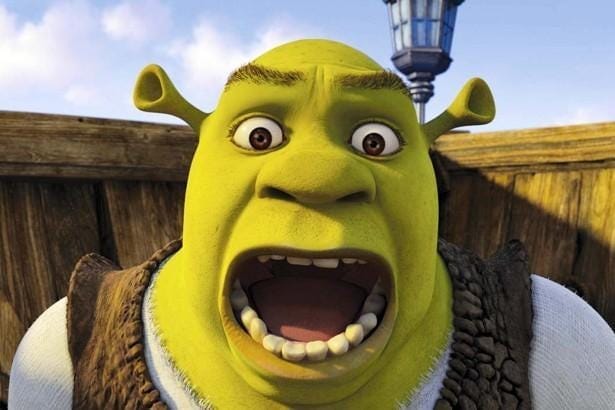
As we sit with John in a sprawling house in the Hollywood hills, he explains to us how he discovered the rights to The Court Jester were owned by the estate of Danny Kaye, who had starred in the original. Furthermore he had secured those rights, then struck a deal with MGM to make the movie.
In essence, we are here to do a pseudo-pitch, not the story per se, but our take on how we would adapt The Court Jester. So we chit and we chat, we swap ideas and share some laughs. All in all, a mellow affair.
John kept making a point: “We must respect the original.” In other words, we could come up with new material and update the humor, but not stray much from the tone and spirit of the original. Fine by us because that was our intent as well.
As we depart the premises, I fully expect we’ll have to go in to pitch MGM, so imagine my surprise when out of the blue, I get a call from CAA: “We’re a go at MGM!” Evidently whatever magic John had in relation to The Court Jester extends not only to the Danny Kaye family, but also to a Hollywood studio.
So off we go to write the script, which we do in short order, having already broken the story when we were ostensibly under hire by Paramount.
We submit the draft. John Williams loves it. MGM loves it. Our agents love it. My bank account loves it. Some weeks roll by when one morning, I crack open Variety to read: “Mike Myers Attached to ‘Court Jester’ Remake at MGM.” Yes, that Mike Myers, coming off the huge success of Wayne’s World, Wayne’s World 2, and the recently released Austin Powers: International Man of Mystery.
I can’t find the article in Variety online, but I did find an L.A. Times article online dated October 25, 1997 that has this snippet:
MGM is remaking Billy Wilder’s biting 1966 comedy “The Fortune Cookie,” substituting Candice Bergen and Bette Midler for the original stars, Jack Lemmon and Walter Matthau. The studio also is developing a remake of “The Court Jester” for comedian Mike Myers [emphasis added].
See, I’m not making this up. I remember the article quotes Myers [no relation] as saying that The Court Jester was his father’s second favorite movie so it was a thrill to be involved in the project.
Incredible news, right? From a go project… to a no project… to a go project: the sequel… to a commitment from one of the hottest comedy stars at the time.
All is well in the universe! Huzzah, huzzah, huzzah!
Then I read this line from the Variety article: “Myers and his writing partner are going to take a quick pass at the script before shooting the movie.”
Come back next week to see what happened.
The Business of Screenwriting is a weekly series of GITS posts based upon my experiences as a complete Hollywood outsider who sold a spec script for a lot of money, parlayed that into a screenwriting career during which time I’ve made some good choices, some okay decisions, and some really stupid ones. Hopefully you’ll be the wiser for what you learn here.