The Importance of the Mentor Moment
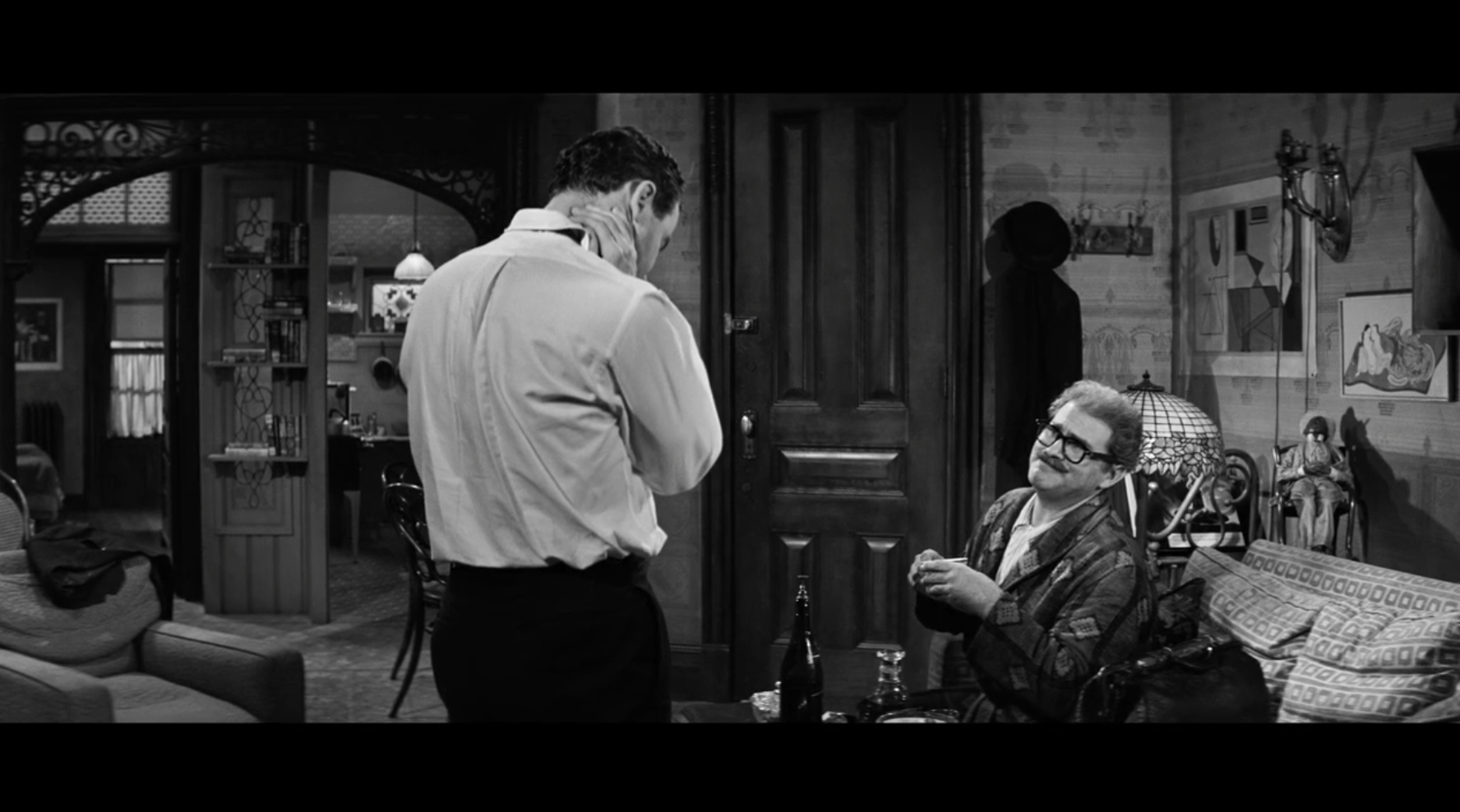
In a movie, the Mentor's primary function is tied to the Protagonist's intellectual growth, their ability to incorporate insights into their inner nature and move toward Unity.
Like all character archetypes, Mentors come in all shapes and sizes. We may tend to think of Mentors as wise old men like Gandalf.

But they can also be earnest, but bumbling goofballs like Clarence in It's a Wonderful Life.
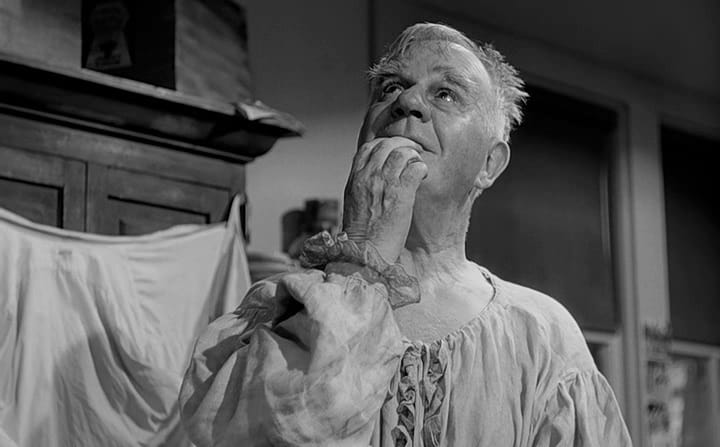
Or even more comical like Weird Barbie in Barbie.

As varied as they may be, movie Mentors have one thing in common: There is a moment in the story with the Protagonist where the Mentor delivers the goods. They share the deepest insight into the Protagonist's nature and empower the Protagonist in their psychological journey.
Perhaps the most famous cinematic example of a Mentor Moment is this from The Wizard of Oz.
"You've always had the power to go back to Kansas." Boom! Deep insight. The external journey Dorothy takes in Oz is fundamentally about her inner journey to discover that this place - Kansas - which she originally did not feel like her home is, in fact, her home.
One of the best Mentor Moments occurs in my favorite movie: The Apartment.
Logline: A Manhattan insurance clerk tries to rise in his company by letting its executives use his apartment for trysts, but office politics and his own romantic hopes complicate matters.
The Protagonist is C.C. Baxter, a lonely worker bee in a huge skyscraper office filled with other worker bees.
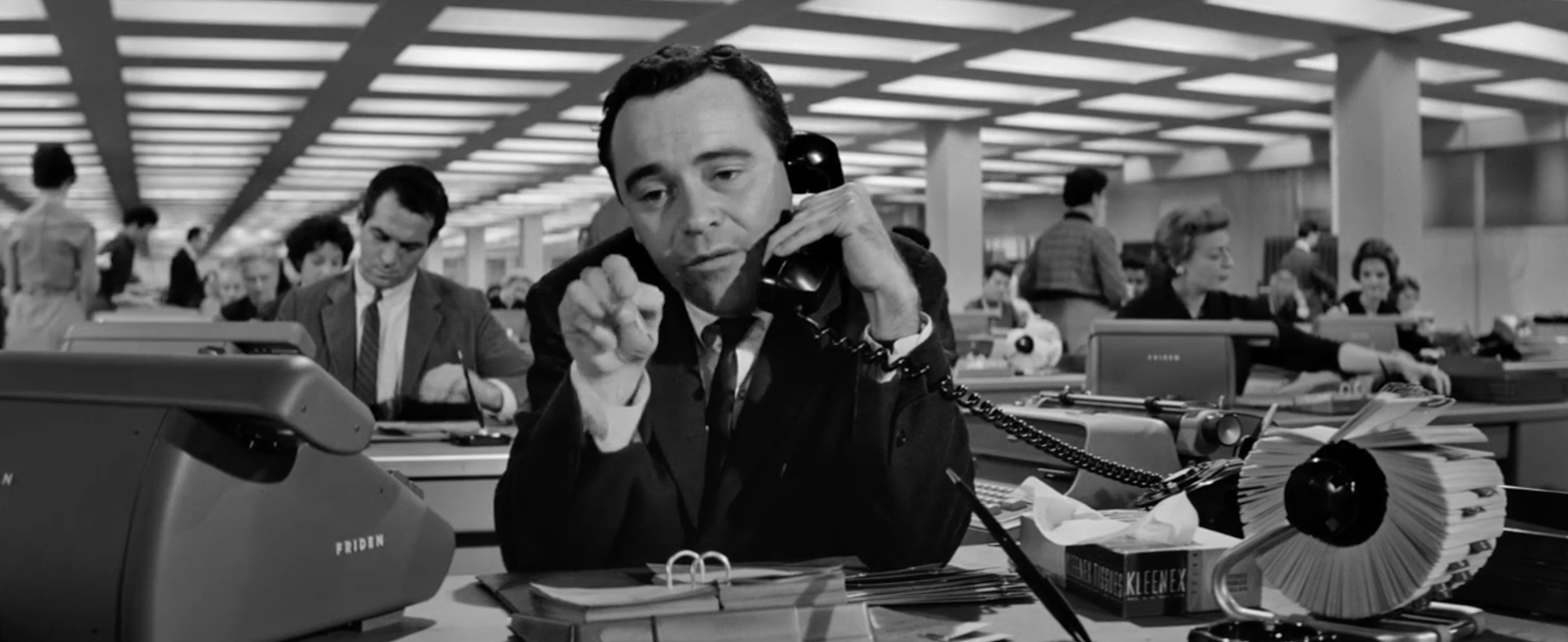
In order to climb the corporate ladder, he has agreed to allow a quartet of company managers to use his apartment for their extramarital trysts.
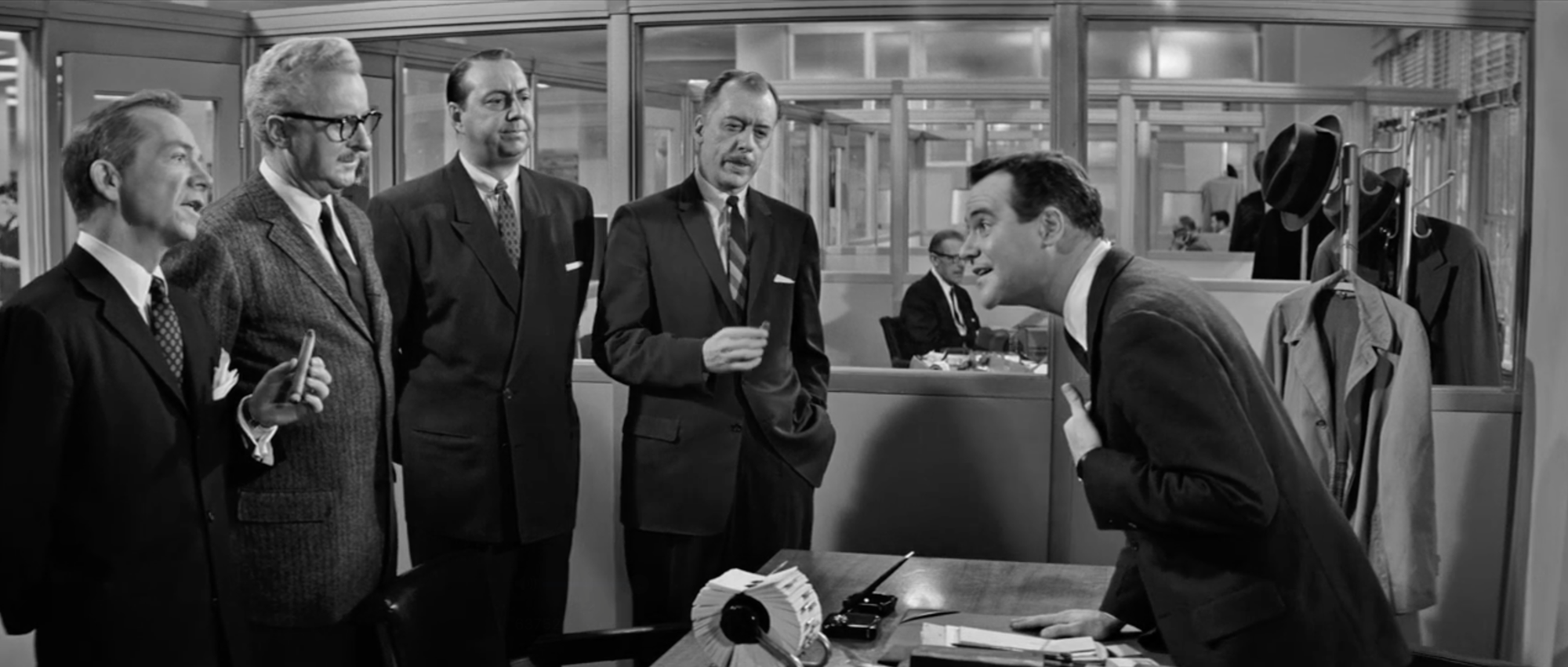
He is found out by corporate President Jeff Sheldrake who, instead of firing Baxter, requests the use of the apartment for his own affair.
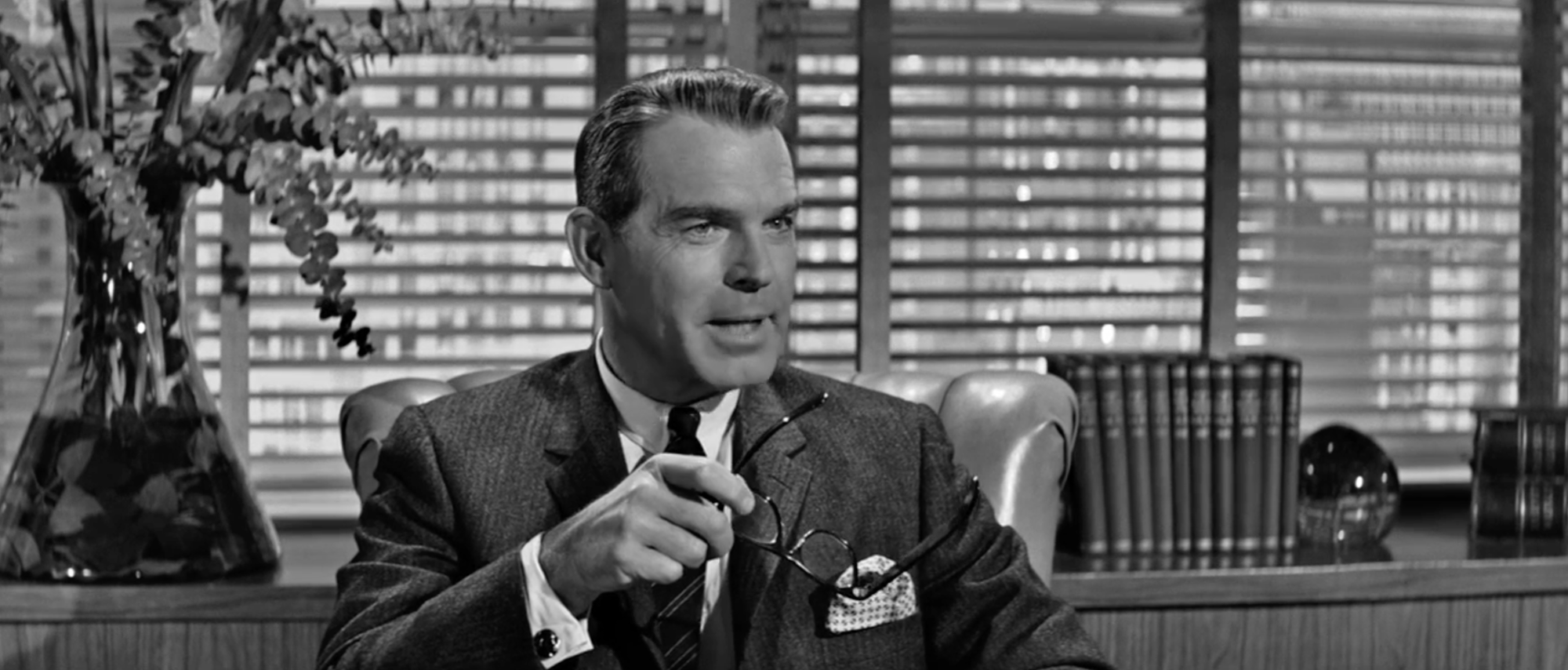
Because of his compliance with Sheldrake’s offer, Baxter gains his cherished promotion. However, the sheen is taken off the new gig when he discovers Sheldrake’s paramour is none other than Fran Kubelik, the object of Baxter’s hidden ardor.
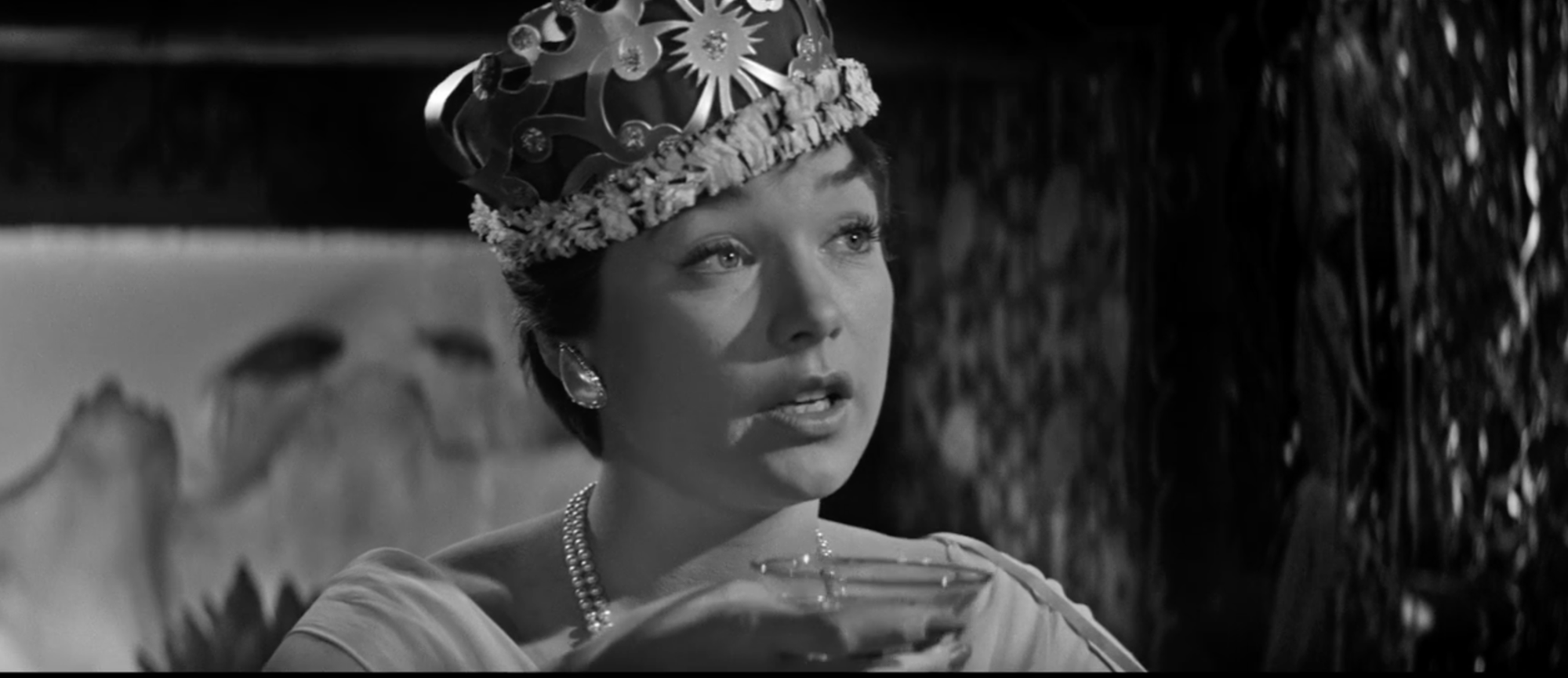
On Christmas Eve, Sheldrake meets with Fran in Baxter's apartment for yet another illicit sexual dalliance. They get into a disagreement. Sheldrake keeps stringing her along, promising he'll get a divorce, so he and Fran can be together – but that is a lie and deep down, she knows it.
Sheldrake looks at his watch. He needs to leave to catch the train to get home for Christmas Eve festivities with his wife and children. He tosses a hundred dollar bill to Fran, telling her to buy something nice for herself as a Christmas present. Fran realizes this transaction is akin to her being a prostitute.
Sheldrake leaves her alone in Baxter's apartment. She goes to the bathroom to wipe away her tears and fix her face. Then she discovers Baxter's sleeping pills.
Later, Baxter arrives at his apartment only to discover Ms. Kubelik (as he calls her) passed out. She has swallowed a bunch of sleeping pills in a suicide attempt. Desperate, Baxter calls upon his next door neighbor who happens to be a doctor.
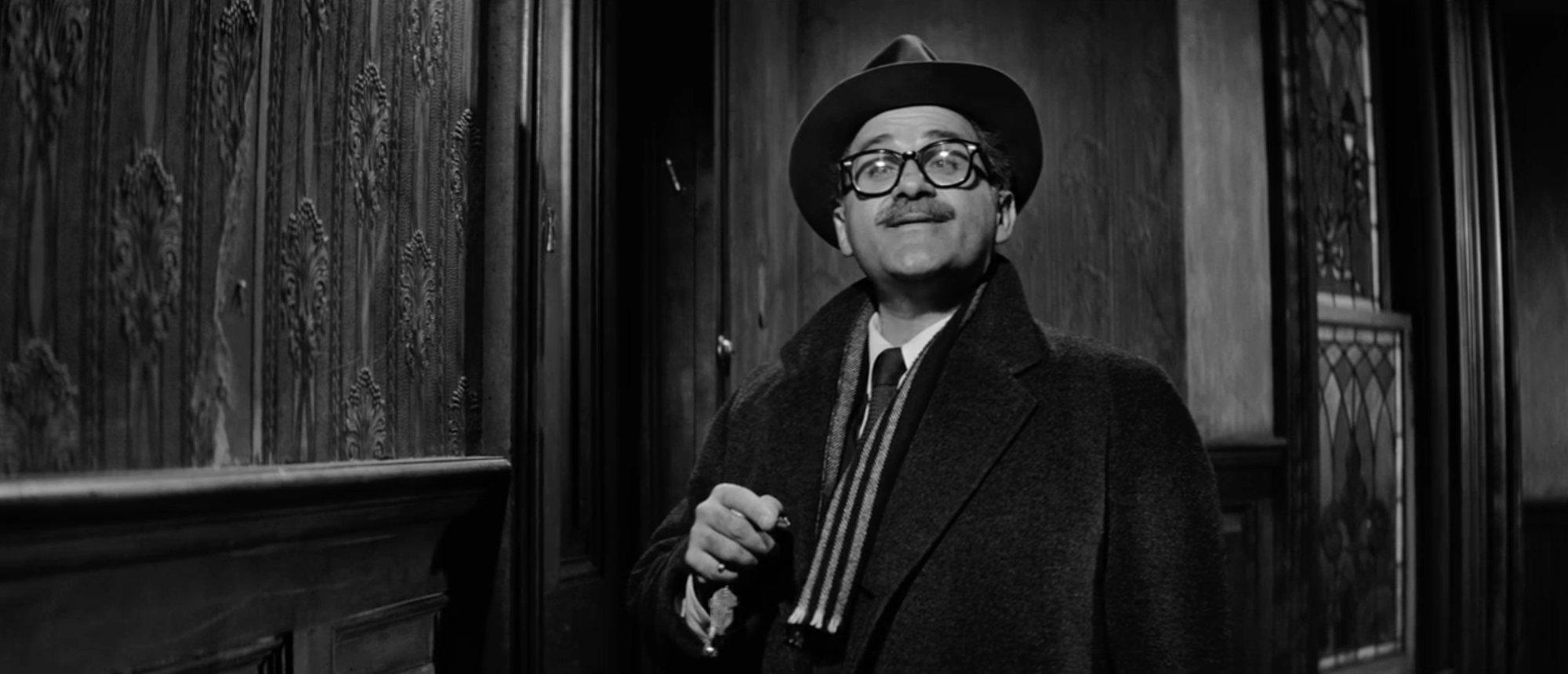
Dr. Dreyfus gives Fran a shot, forces her to drink coffee, and walks her back and forth with Baxter's assistance, so she survives the attempt to kill herself. All that leads to this Mentor Moment.
“Why don’t you grow up, Baxter. Be a mensch. You know what that means? A mensch, a human being.”
A Yiddish term, it refers to a person who a person of high integrity, honor, and decency. Baxter has that inside. He's just been so caught up in his desire for corporate advancement, he has lost sight of his inner "mensch."
Cut to the end of the movie. After spending several days with Fran in his apartment and the pair having developed a connection – while Baxter has fallen even more in love with her – she has moved on with her life and back into her hopeless affair with Sheldrake. Which leads to this scene.
“Just following doctor’s orders. I’ve decided to become a mensch. You know what that means? A human being.”
Screenwriters refer to this as a callback. That's when a character recalls a preceding event in the story. A Mentor Moment involves something significant. In the case of The Apartment, it's the "mensch" reference. Combined with his growing affection for Fran, the wisdom Dr. Dreyfuss conveys to Baxter in his Mentor Moment provides the impetus for Baxter to reject his Want (corporate success) and embrace his Need (rediscover his inner "mensch").
Takeaway: As you work with your characters and one of them emerges as a Mentor, ask yourself: What is it the Mentor recognizes the Protagonist needs to learn? What lies at the core of that intellectual insight? Then look for a moment where the Mentor can convey that wisdom to the Protagonist.
If you enjoyed this brief essay, check out my 94-minute video on Working with Character Archetypes: Part 2. In it, I analyze seven movies.
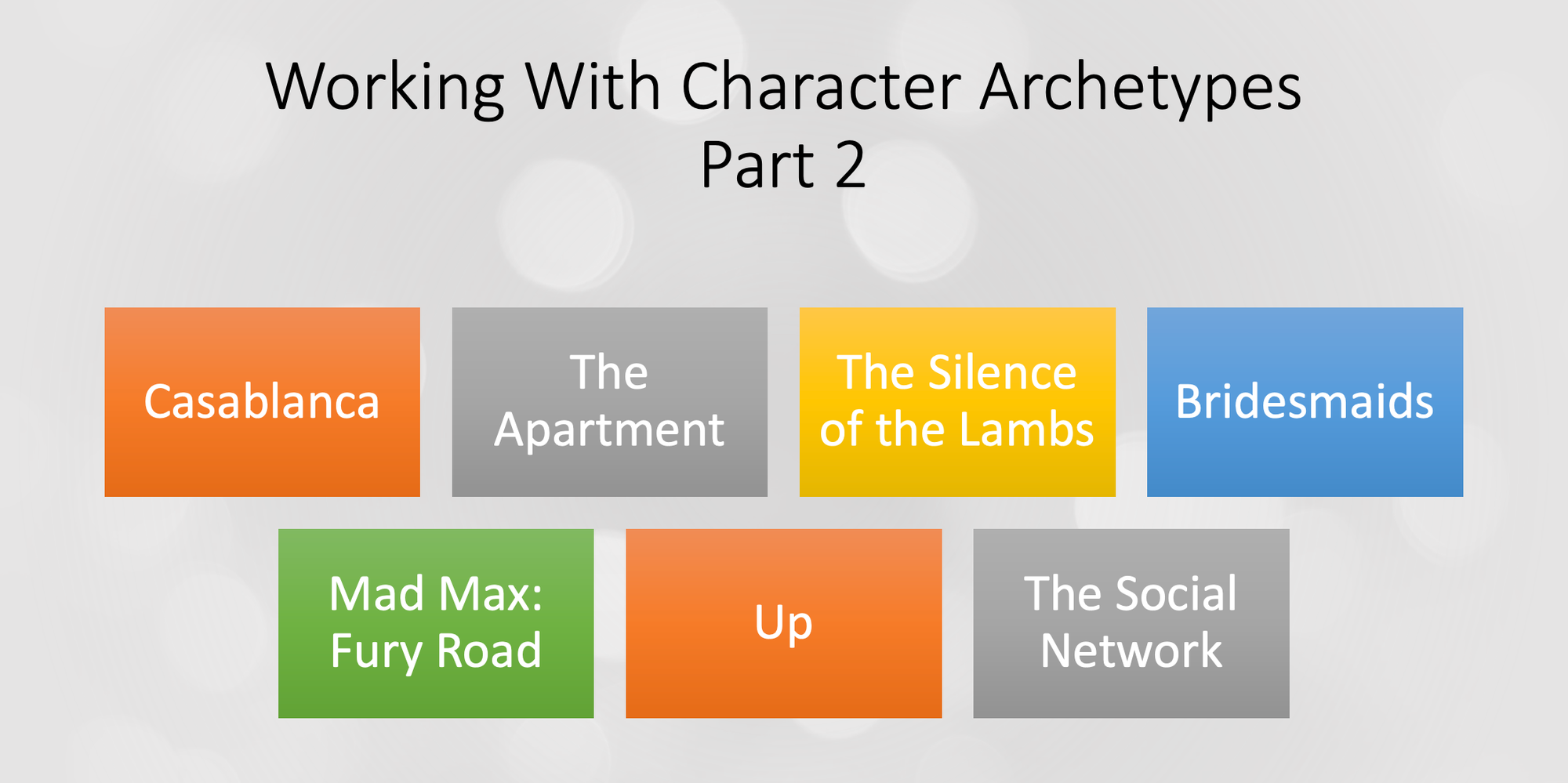
I explore Mentor archetypes as well as the four other members of the Family of Characters.
Here's the roster of character archetypes in The Apartment:
Protagonist: C.C. Baxter
Nemesis: Jeff Sheldrake
Attractor: Fran Kubelik
Mentor: Dr. Dreyfuss
Tricksters: The Gang of 4 (Dobisch, Eichelberger, Kirkeby, Vanderhoff)
These five character archetypes occur in a plethora of movies. This video explores these seven films to show how the archetypes can work in all types of movie genres.
To watch the video which is part of my Go Into The Story Patreon program, go here: LINK.
This program is what I call Film School on a Microbudget. There are four membership levels ranging from $1 to $10 per month.
Every week, I roll out new videos and lectures drawn from my decades as a screenwriter and teacher, and appearances around the world including England, France, German, Greece, Spain, and Switzerland.
As a tenured professor at a Top 10 film school, this program is an opportunity to access material I present to undergraduate and graduate students.
I hope to see you there! And if you haven't watched The Apartment, you can watch it for free on Tubi: LINK.
If you haven't downloaded the free "Spec Script Deals: 1991-2025" eBook, you can do that here: LINK.
My book The Protagonist's Journey: An Introduction to Character-Driven Screenwriting and Storytelling is currently on sale at Amazon: LINK. It has received 40+ endorsements from professional screenwriters, filmmakers, producers, best-selling novelists, and film school professors. If you prefer, you may purchase it directly through the publisher with free worldwide delivery: LINK.
Finally, there's Screenwriting Master Class, an online educational resource I started in 2010: LINK. If you'd like to work with me as your consultant or coach, email me: scott@screenwritingmasterclass.com.