The Theology of Screenwriting, Part 2: Conversion
This week, I am exploring theological themes in relation to screenwriting, considering them metaphorically because in my view, we see these themes in movies all the time. By understanding them, we can use these theological themes to enhance the meaning and depth of our stories.
For background on the general subject, you may read my introductory comments in Part 1 here.
Today in Part 2: Conversion.
In theological terms conversion refers to a turning away from an unregenerate lifestyle and toward one of godliness. When a person has a conversion experience, that marks a spiritual shift from sinfulness to righteousness.
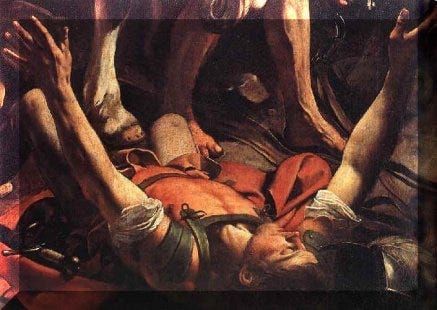
A Biblical example is the Apostle Paul who “intensely… persecuted the church of God and tried to destroy it” [Galatians 1:13], but then on the road to Damascus, described in the Acts of the Apostles [Chapter 9], Paul was blinded by a supernatural light, literally knocked off his horse, and subsequently became a follower who preached the Gospel especially to the Gentiles. Here is Caravaggio’s depiction of Paul’s conversion experience:

Conversion can also mean a “change of attitude, emotion, or viewpoint,” and that speaks to a dynamic common to most every movie: A Protagonist going through a metamorphosis or transformation.
In real life, change can take place in many ways, often over the course of years. Obviously movies don’t have the benefit of that much time, a character generally going through a substantive metamorphosis in two hours or less of screen time. They may not be knocked off a horse and changed within a few days time… or sometimes they can. But it is interesting to think of a Protagonist’s transformation — in such a compressed time — as being something like a conversion.
Conversion from what to what? Whereas a traditional understanding of conversion involves a person committing him/herself to God, an act of putting one’s faith in something outside their Self, more frequently in movies metamorphosis involves a character getting in touch with something of their Core Essence — God within, if you will — then embracing that as the basis of their change.
The Shawshank Redemption: Red ‘converts’ from the influence of institutionalization by embracing the tiny flicker of hope that Andy managed to keep alive for two decades. Indeed the final words of the movie are Red’s: “I hope.”
It’s A Wonderful Life: George ‘converts’ from a belief he has done nothing substantive with his life, one that leads him to despair, bitterness, even thoughts of suicide, to an understanding of how enormously influential his deeds have been to the community of Bedford Falls, that in fact he is “the richest man in town.”
Casablanca: Rick ‘converts’ from cynicism to idealism, reflected in his selfless act of allowing Ilse to use the letters of transit to leave with Victor Laszlo.
Schindler’s List: Oskar ‘converts’ from a businessman solely focused on money and profits to a man who risks his life to save 1100 imprisoned Jews.
In some cases the conversion involves the character accepting their destiny as the Chosen One.
The Matrix: Neo ‘converts’ from a relatively unknown computer hacker into the leader of a rebel force.
Star Wars: Episode IV — A New Hope: Luke ‘converts’ from a lonely moisture farmer on the edge of the galaxy into the leader of the Rebel Alliance.
The Lord of the Rings: Frodo ‘converts’ from humble hobbit to the ring-bearer who plays a central role in the destruction of the One Ring To Rule Them All.
In many cases, the conversion is not something of Earth-shattering significance, but personally important.
The Wizard of Oz: Dorothy ‘converts’ from an orphan who doesn’t feel welcome on that Kansas farm into someone who can claim, “There’s no place like home.”
Bridesmaids: Annie ‘converts’ from a juvenile view of romance to one grounded in reality and accepting herself for who she is, not trying to be someone else.
The Apartment: Baxter ‘converts’ from a person who esteems corporate success over personal morals into a “mensch.”
Note that every single one of these ‘conversion’ experiences involves the Protagonist getting in touch with their Core Essence, then embracing it as the foundation for the ‘new’ self.
As the poet E.E. Cummings wrote, “It takes courage to grow up and become who you really are.” The expression of a movie character ‘converting’ from their Old Self into the New Self, based upon a Core Essence that was always within the character’s psyche, is one we see time and time again.
What do you think? Conversion, metamorphosis, transformation, change. How important is that to movies? Why? How can we explore this dynamic in interesting, fresh ways? See you in comments to discuss.
For Part 1: Sin, go here.
Tomorrow: Another theological theme in screenwriting.
Comment Archive