Tweetstorm: Geoff LaTulippe on Avoiding Red Flags in Screenplays
If you are an aspiring screenwriter, Twitter is an amazing resource. For example in April 2016, screenwriter Geoff LaTulippe (Going the…
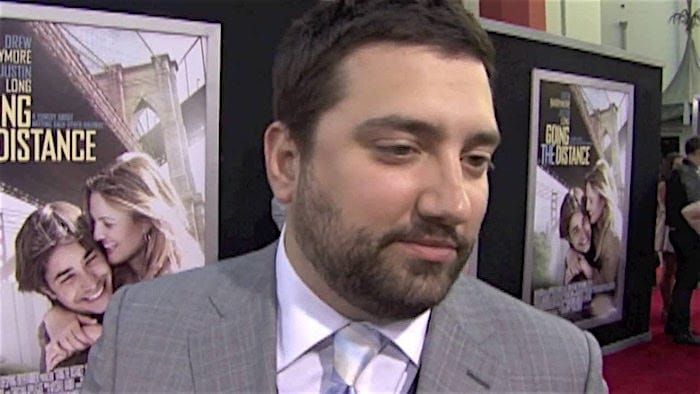
If you are an aspiring screenwriter, Twitter is an amazing resource. For example in April 2016, screenwriter Geoff LaTulippe (Going the Distance) did a lengthy tweetstorm in which he provided advice to writers on how to avoid red flags in screenplays. Reprinted here by permission.
And it’s not even a rant — it’s more advice and a way of thinking about how you present yourself as a writer. Sound good? Let’s go.
Seen a similar batch of questions popping up lately — “Do I need screenwriting software? I thought you only had to write a great script!”
Obviously, there are a ton of variants to this question that all ask the same thing — if story is all that matters, why worry about format?
Why worry about “rules” when there are no rules? Just write the best script you can and the rest will take care of itself, right?
I’m as guilty of glossing over the details here as anyone — most often because aspiring/novice writers read books and develop bad habits.
So I end up having to yell, “Stop worrying about the rules and just write the best story you can!” Which I totally mean, BTW.
But too often I forget that this needs clarification, as it’s both that simple and not that simple at all. So let’s dig into it for a bit.
First of all, when we talk about the “rules” that you shouldn’t feel beholden, we’re talking conceptually, thematically and structurally.
So let’s set those aside, since I’ve whinged on about those more than enough for twelve lifetimes.
The rules you want to follow are come before that — the ones that help determine, nine times out of ten, if you’re taken seriously.
Actors, directors, producers, agents, managers and readers alike read a TON of scripts. They have to. It’s in their best interests.
And when you read as many scripts as they do as your vocation, you get good at it. And very quickly, you notice patterns. Good and bad.
(Actually it’s closer to 99 times out of 100.)
And eight of those ten don’t even go past the first ten or so pages. Why? They know they don’t need to. Seen it all before.
And you may ask, “But why? Isn’t there a chance that it’s still a great script, even considering a bunch of common mistakes?”
Not really.
This is why I was talking about those patterns. These are busy people who don’t like wasting their time. Diagnosing patterns = saved time.
So if your script has three dumb errors in it — errors that can absolutely be avoided — by page ten, the other 90 pages don’t matter.
You might have written the best script since CHINATOWN, and now you’re in the bin with this palate of 99 other dreamers.
Next.
Because if you look like a novice and smell like a novice, you’re almost certainly a novice. And novice scripts are good about never.
So what can you do to make sure you don’t go in the bin BEFORE you get a chance to draw someone into your story?
SO GLAD YOU ASKED.
First and foremost, FORMAT YOUR SCREENPLAY PROPERLY. Always, all the time, without fail, do not pass Go. Don’t even bother starting.
Does that mean you have to plunk down serious cash for Final Draft? No. If you can, I think it’s worth it. But if you can’t? Ya got options.
And I know how unfair and petty that sounds, but this is the lay of the land. This is the game. Play it or get out of the gym altogether.
Because here’s what the industry professional thinks upon receiving your script: “(S)He doesn’t take this seriously. Why should I?”
It’s kind of like if you wanted to work on Wall Street and showed up to a meeting at a bank in your sweatpants. The fuck are you thinking?
So: format correctly. Use a program other industry people use daily (some friends are suggesting Celtx also; I can’t vouch personally).
Second: for God’s sake, BE CONSISTENT. If you have a screenwriting program, a lot of this will be taken care of for you. BUT:
Lots of writers get bogged down in pointless details. Bold slugs or no? Capitalize characters’ names always or just upon introduction?
And this brings us to point 2a: PROOFREAD. And every chance you get, HAVE SOMEONE ELSE PROOFREAD.
In every single script you write there will be ten typos/errors you didn’t catch. You can’t. You’re too close to it. Have someone help.
This is COMPLETELY separate from having someone critique your script, and it always should be. Not remotely the same thing.
Again, one typo? No big deal. Two? You’re testing their patience. Three? Bin. You don’t care enough to get this right. Waste of time.
OK, 3rd — the most subjective and difficult point, but just as important as the other two: you want to make it least APPEAR a pro wrote it.
What does that mean? A lot of things. First and foremost, it needs to engage the reader immediately. You HAVE TO rope them in.
Are there a billion ways to do this. YES. Pick one. Or invent a new one! Again, VAYA CON THE LORD. But it’s imperative.
Saying all of that is in service of this: it’s hard to engage a reader. But it’s agonizingly simple to turn them off.
Bad slugs. Internal character bios in the scene description. Scene description that’s too long. Needless scene description. No white space.
(Novice writers have a shittingly hard time with scene description. You can tell immediately if a script is going to suck. Trust me.)
So again, this is where you have to learn to straddle the line. You need to be fresh and inventive in your story OVERALL.
But as you get started, you just need to make sure you grab them and force them to turn the pages. This is a battle you can’t lose.
Does that mean “just emulate the first ten pages of a successful script”? No. God no. Not at all.
But it absolutely means “understand what makes so many scripts’ first ten pages great and apply the lessons learned to your own writing”.
It doesn’t mean you shouldn’t take chances. It doesn’t mean you shouldn’t be inventive if you’ve got a great opening blast.
It means do not give them ANY reason whatsoever to put your script down — not bad formatting, not inconsistency, not bad writing.
You HAVE to convince them to open your script up. And you HAVE to keep them reading. There is no shortcut, no line jump. It’s elemental.
I hope this little verbal jaunt helped clear up the issue as opposed to clouding it further.
Just remember: when we talk about “no rules” in writing, we’re trying to get you to give yourself permission to write your very best story.
But that doesn’t mean the aren’t guidelines you shouldn’t follow in order to maximize the chances of someone reading it when it’s ready :)
Anyway, back to DOING actual screenwriting now instead of TALKING about it. But I do hope this helped!
Geoff is getting at a kind of nuanced point about rules and no rules.
In terms of the macro, the supposed rules about how a script needs to break into Act Two on Page 25… or you can’t write ‘unfilmables…’ there are no such rules. If you need a reminder on that point, you can go here for my 15 part series on the subject.
And yet, that doesn’t mean we can just be all willy-nilly with our writing in terms of how it’s presented on the page. You can totally turn off a script reader by not giving them a professional quality looking script. This is why it’s absolutely imperative you read tons of scripts, primarily ones written in the last 5–10 years so you’re in the pocket of contemporary styles.
You should follow Geoff on Twitter: @DrGMLaTulippe.
For my May 2014 interview with Geoff, go here.
For all of the Screenwriting Tweetstorms, go here.