Update: Time to Read 2016 Movie Scripts
One of the best ways to learn the craft: Read scripts!
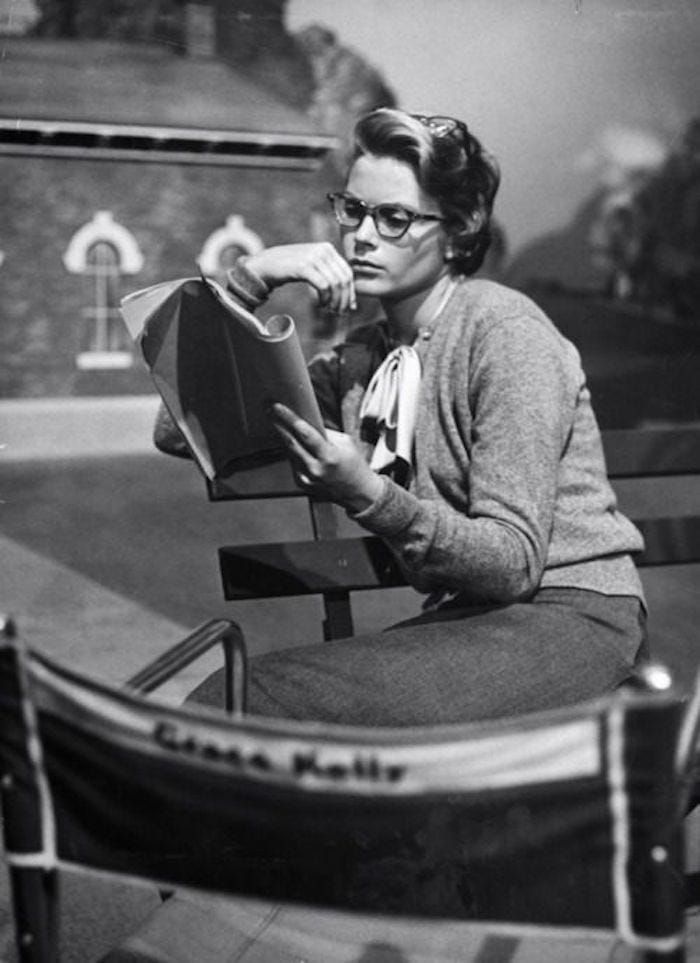
One of the best ways to learn the craft: Read scripts!
Back on November 15, I posted our very own Call To Adventure!
With the ongoing release of 2016 movie scripts as part of the studios annual For Your Consideration campaigns, it’s a great time to resume our Go Into The Story Script Reading and Analysis Series. To date, we have covered 59 scripts of such notable movies as Argo, Birdman, and Boyhood, all the way up to Up In The Air, Whiplash, and The Wolf of Wall Street.
Since that time, we’ve added an incredible week-long analysis of Zootopia which now puts us at 60 scripts in our archives.
Beginning in January, I’d like to do this on a bi-weekly basis throughout the year.
To do that, we need volunteers to do a scene-by-scene breakdown of a 2016 movie script.
Here is our current list of literary heroes and heroines!
A Monster Calls / Andrew Turner
Anthropoid / Marija Nielsen
Arrival / Ashish Chand
Captain Fantastic / Despina Karintis
Denial / Gina Gomez
Eye in the Skye / Abhinav Tiwari and Bruce Gordon
Fences / Matt Cowley
The Founder / Eric Rodriguez
Hail, Caesar! / Brianne VanTuyle
Hell or High Water / Andrew Lightfoot
The Invitation / Joni Trumpold Brainerd
Jackie / Karen Dantas
Kubo and the Two Strings / Nikki Syreeta
Loving / Liz Correal
Maggie’s Plan / Monique Mata
Manchester by the Sea / Ashley Lara
Miles Ahead / Alecia Hodges
Moonlight / Ryan Canty
My Big Fat Greek Wedding 2 / Nikki Leydecker
The Secret Life of Pets / Paul Huffman
Victor Frankenstein / Lisa Gomez
Zootopia / Will King
Italics = Turned in scene-by-scene breakdown
Bold = Have used scene-by-scene breakdown in week-long analysis
We have LOADS of 2016 movie scripts which have become available since mid-November which have not yet been nabbed by a volunteer yet including Fences, The Invitation, Jackie, and Sing Street, many of them already nominated for awards, some sure to be up for Oscars this year.
Now is YOUR chance to contribute to this most worthy cause and provide an additional resource for the online screenwriting community.
Let’s not forget about what YOU can learn in the process. When Nikki Leydecker emailed me her scene-by-scene breakdown for My Big Fat Greek Wedding 2, she wrote this:
I have done breakdown’s before, but by beats via the Save The Cat method. That method and this method are great for learning story structure. However I found that this version of a script breakdown gave me more insight into the story. I was able to find the storylines easily and the central theme of the script. Breaking down all the scenes provided a clear indicator of what worked and what didn’t. I would find set ups and payoffs, and some set ups that didn’t pay off to anything at all. Another benefit I found was that it was great warm up exercise for my own writing. Instead of a writing prompt, reading a script and writing a few scenes out quickly moved my brain in writing mode. It was a lengthy process, but an enjoyable one. I am going to take this experience and use it again for my own work. It will help tremendously with the rewrite process because I will be able to spot the strengths and weaknesses in the story.
It’s a win-win. Plus you get public accolades from me and a hearty dose of creative juju. Go here to see the entire roster of 2016 movie scripts now available for download. Cross reference the list with those above already with volunteers, determine which ones are still available, then write a RESPONSE to this post and claim your script to read and break down.
To see examples of scene-by-scene breakdowns, go here.
IF YOU HAVE VOLUNTEERED, PLEASE SEND ME YOUR SCENE-BY-SCENE BREAKDOWN AS SOON AS POSSIBLE!!!

Finally allow me to use the words of one of Hollywood’s hottest screenwriters to bludgeon you over the head with the value of reading scripts. From my most recent interview, Jon Spaihts responds to my final question, What advice would you offer to aspiring screenwriters about learning the craft and breaking into Hollywood? Here’s his answer:
Read the script and then watch the movie. Watch the movie and then read the script. Watch the movie with the script in your lap. Study the parts. You have to see through the surfaces. Being a fan is insufficient. Break it down. That means slowing it down and looking at it through a series of different lenses.
Once you’ve begun to do that, you can see what the parts of a screenplay and the parts of a movie do.
First thing Jon said: Read scripts.
We’re going to do that every other week in 2017 and do a week-long analysis of each script. People who volunteer to do a scene-by-scene breakdown provide an important aspect of that process.
Thanks in advance to each volunteer!