Why read scripts?
You watch movies, write pages, but admit it… you don’t read enough scripts.
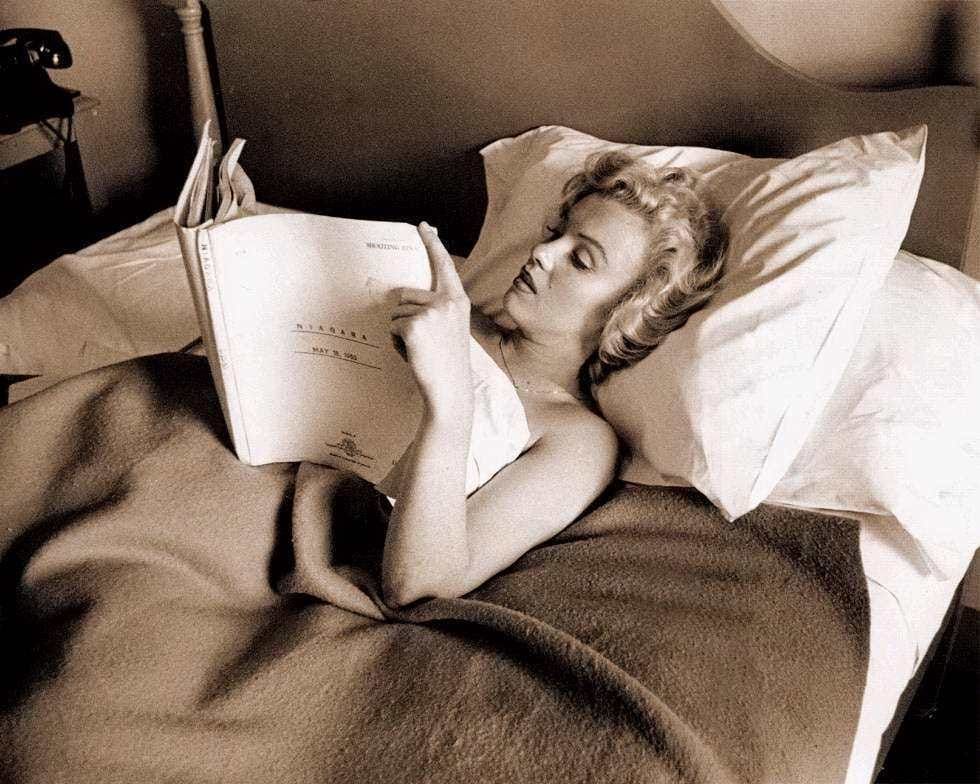
You watch movies, write pages, but admit it… you don’t read enough scripts.
Several years ago, I coined this simple mantra:
Watch movies. Read scripts. Write pages.
I doubt there’s a professional screenwriter and/or TV writer alive who would not embrace this tripartite approach as a key to learning the craft.
In my experience, as a writer, producer, teacher, and blogger who has interfaced with thousands of writers, I can say with a high degree of confidence that for most people, watching movies is pretty much a snap. Writing pages, while more of a personal and creative challenge, is also something which a majority of folks do as it’s the most obvious sign of being… you know… a writer.
It’s the third thing — read scripts — which suffers from the most neglect. For years, I’ve attempted to figure out what the hang-up is. My best take is this:
Watching a movie is an enjoyable experience.
Writing pages is a productive experience.
But reading a script? That’s work. It’s carving out 60–90 minutes. Sitting. And r-e-a-d-i-n-g.
Words. So many damn words!
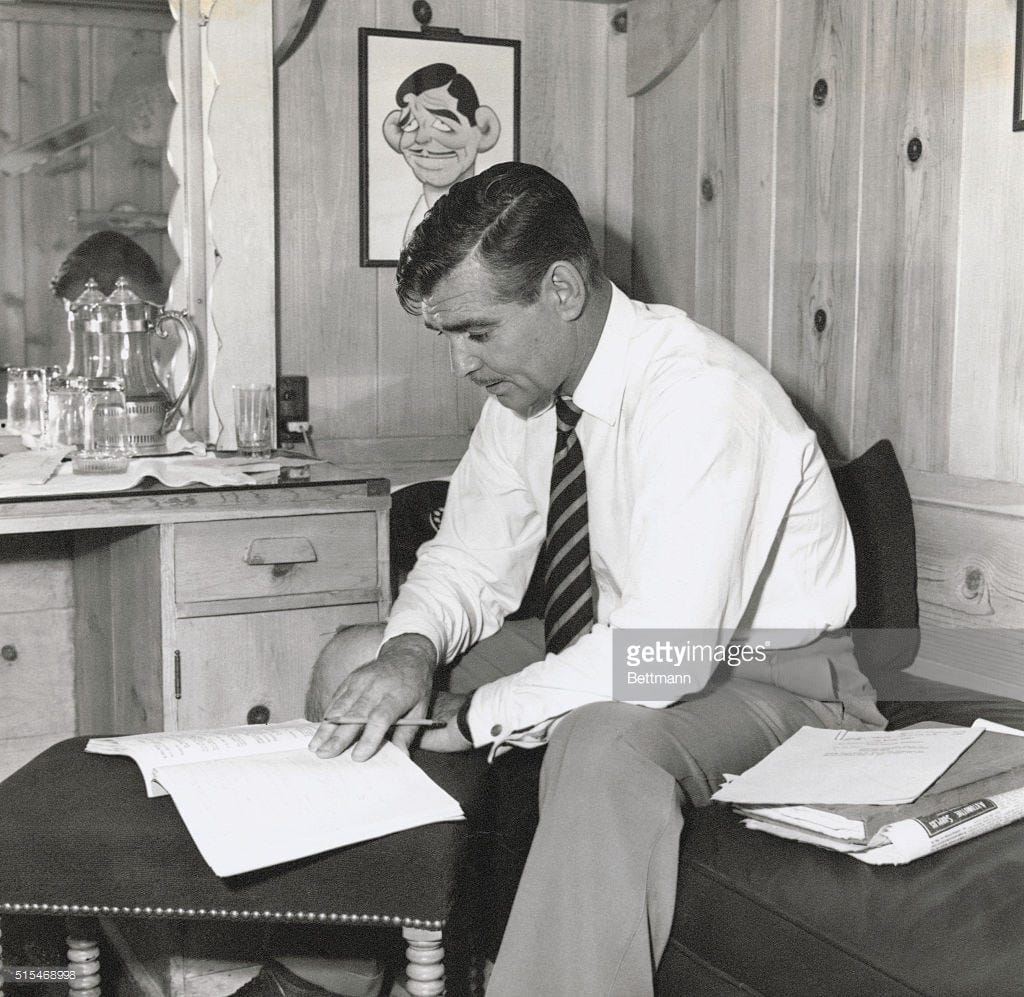
Yes, you’re right. It is work. It does require a time commitment. And it means you have to read a lot of words.
Know what? If you do not read scripts, you are depriving yourself of an enormous resource and quite likely holding back your advancement, both in terms of learning the craft and advancing your career as a professional screenwriter or TV writer.
That’s Mr. Negative Reinforcement talking. Let’s have a few words from Ms. Positive Reinforcement.
- Every script you read is a learning experience. If it’s a good script, you can break it down scene-by-scene to determine why it works. If it’s a bad script, you can see aspects of writing you do not want to emulate.
- By reading screenplays of great movies, you can see how the pages were translated onto the screen, thereby giving you insight into how to write cinematically.
- The more scripts you read, a kind of Gestalt learning happens. You start to develop an innate sense of how to write a good scene, how to handle transitions between scenes, how much / little scene description to include, how to write subtext, and so on.
- If you read Black List selected scripts or Nicholl winning scripts each year, you will be right on top of the most current style and story sensibilities in Hollywood. You will also read some whacking good stories.
- Reading other writers’ screenplays is a great way to expose you to different approaches, which will help inform and define your own unique style, your own distinct voice.
Finally this: When you read great scripts, they will inspire you. Oh sure, there are times when you hit FADE OUT and are so blown away, you may think, “Damn. I can NEVER write that well.”
But the next day, after you find your mind coming back to that story… again and again… your creative spirit almost assuredly will come around to, “Damn. I’m gonna try to write something that good.”
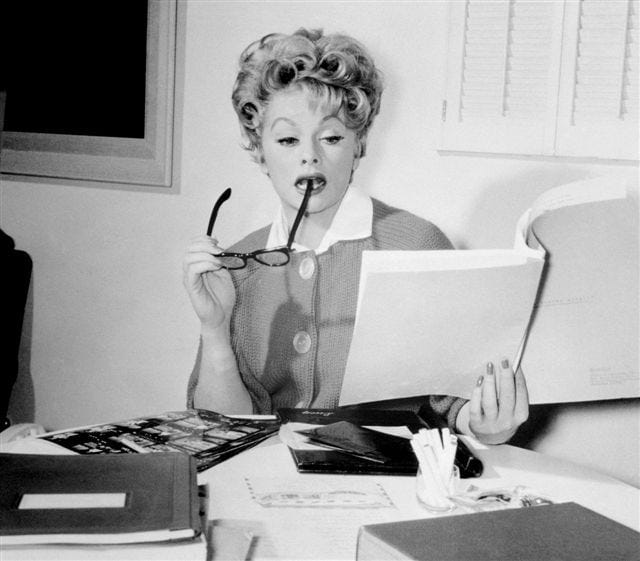
A few years back, I started a semi-regular script reading and analysis series to encourage people to make this practice part of their routine. You can go here to access those archived discussions of 59 movie scripts. And you can go here to download 43 scene-by-scene breakdowns of movie scripts.
And once again, starting the first week of December, we’ll resume reading and analyzing scripts, focusing on movies which have come out in 2016. Here is the list of volunteers who have committed to writing scene-by-scene breakdowns of the following scripts:
A Monster Calls / Andrew Turner
Anthropoid / Marija Nielsen
Bridget Jones’s Baby / Tatiana Bacchus
Captain Fantastic / Despina Karintis
Denial / Gina Gomez
Eye in the Sky / Abhinav Tiwari
Hail, Caesar! / Brianne VanTuyle
Kubo and the Two Strings / Nikki Syreeta
Maggie’s Plan / Monique Mata
Manchester by the Sea / Ashley Lara
Miles Ahead / Alecia Hodges
My Big Fat Greek Wedding 2 / Niki Leydecker
The Girl on the Train / Matthew Duriez
The Secret Life of Pets / Paul Huffman
Victor Frankenstein / Lisa Gomez
Zootopia / Will King
As studios and production companies make more 2016 movie scripts public, we’ll be looking for more volunteers. But the main thing is this:
READ SCRIPTS!
Join us in December, January, February, and beyond next year as we read scripts and analyze them together.
Onward!