Profile: Martin Scorcese (Part 2)
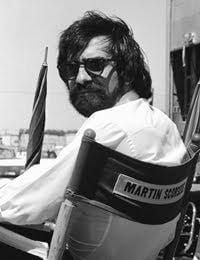
Our friend Trevor Hogg has another profile at Flickering Myth, this one on Martin Scorcese.
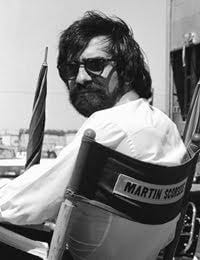
Noted as one of America’s most distinctive directors, Scorcese also has 14 film writing credits including Mean Streets, Goodfellas, and Age of Innocence. Here is an excerpt from Part 2 of the profile:
“It’s true that some films will involve me more than others,” admitted American filmmaker Martin Scorsese. “It’s also true that I might have never made Taxi Driver [1976] were it not for the success of Alice [Doesn’t Live Here Anymore, 1974]. The question of commercialism is a source of worry. Must one make a choice, must it be a matter of either setting your sights on winning an Academy Award and becoming a millionaire, or making only the movies you want to make and starving to death?” The $1.3 million production about a lonely New York City taxi driver (Robert De Niro), who has an unrequited romantic attachment with political campaign volunteer (Cybill Shepherd) and becomes a vengeful angel for a child prostitute (Jodie Foster), potently harnessed the sense of public disillusionment fueled by the Watergate scandal and the Vietnam War. “I had to make that movie. Not so much because of the social statement it makes, but because of its feeling about things, including things I don’t like to admit to myself.” A veteran of a number of failed marriages, the director could relate to the emotional turmoil endured by Travis Bickle (De Niro). “I know the feeling of rejection that Travis feels, of not being able to make relationships survive.”
“The best way is to start with a character and then put him through scenes, through conflicts, that illustrate your theme,” instructed Martin Scorsese. “When Travis [De Niro] falls in love with a woman, he can’t admit he wants to make love to her… The movie deals with sexual repression, so there’s a lot of talk but no sex, lovemaking, no nudity. If the audience saw nudity, it would work like a release valve and the tension that’s been building up would be dissolved. The valve in Taxi Driver is not released until Travis finally lets loose and starts shooting.” One of the most famous scenes in cinema was the result of a creative collaboration between the director and his leading man. “I did improvise him talking in the mirror: ‘Are you talking to me?’ It was in the script that he was looking at himself in the mirror, doing this thing with the guns, and I told Bob, ‘He’s got to say something. He’s got to talk to himself.’ We just started playing with it and that’s what came out.” Jodie Foster (The Silence of the Lambs), who was 12 years old at the time of filming, was impressed with the ability of Scorsese to bring out the best in his cast members. “There’s a big difference between someone who performs with you and somebody who asks you to perform for them,” stated Foster. “He is there. Marty gets behind your eyes.”