Character Type: Bully
“Why are bullies such a recurring character type in movies? First, they give an audience someone to hate, a focused object of personal loathing. Second, the dark, malevolent energy created by a bully only makes the Protagonist’s goodness stand out even more. Third, bullies create instant conflict with whoever is the object of their scorn. And conflict, as we all have heard a thousand times, is key to drama.”
Those of you who have followed my blog for some time or taken courses with me through Screenwriting Master Class know how fascinated I am with character archetypes, specifically how there are five — Protagonist, Nemesis, Attractor, Mentor, Trickster — which recur in movies over and over and over.
Some might see archetypes as a sort of reductionist approach to writing when in my experience, it is precisely the opposite.
By working with these five Primary Character Archetypes, we can identify the core narrative function of every key character, then use that knowledge as a guide as we build them out in a limitless number of ways.
One approach is to use an extensive array of Character Types available to us. So this month, I am running a series in which we will explore 20 Character Types, and consider how writers can use them to create unique, compelling figures in our stories.
Today: Bully.
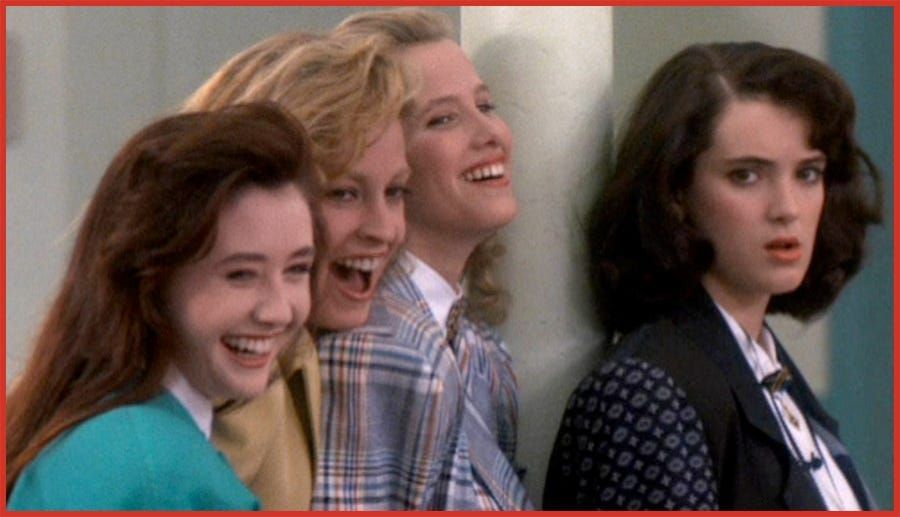
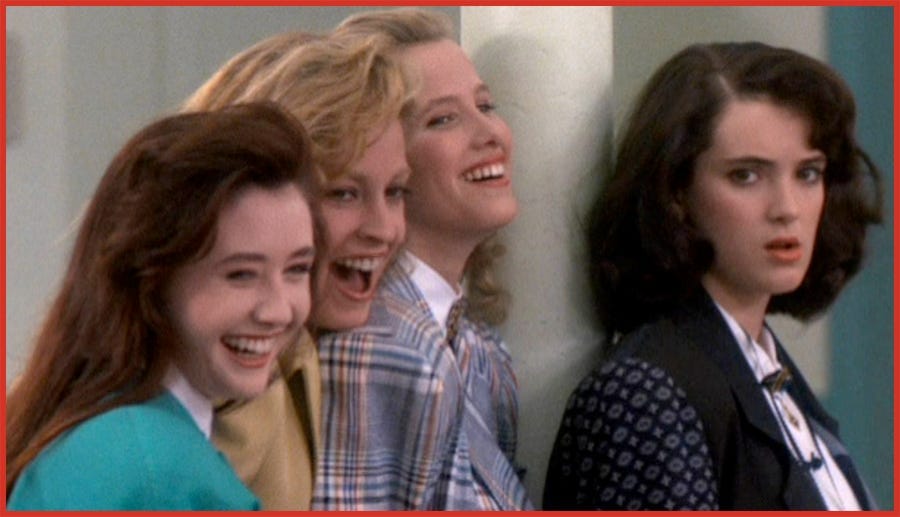
Movies have a long history with bullies. There are boy bullies such as in The Outsiders, Karate Kid and Billy Madison. There are girl bullies such as in Witch Clique, Mean Girls and Heathers.
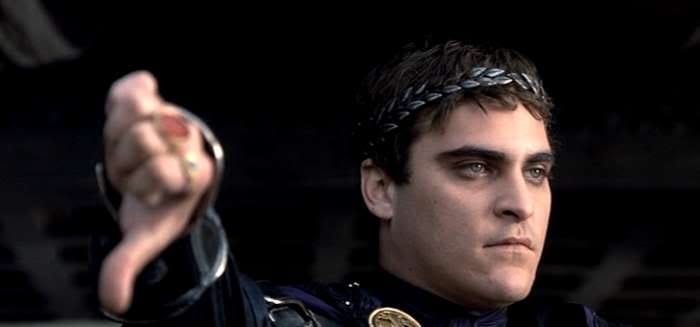
There are bullies who are family members such Biff in Back to the Future. Bullies in bureaucratic positions like Nurse Ratched in One Flew Over the Cuckoo’s Nest. And bullies who have enormous authority like Commodus in Gladiator.
Why are bullies such a recurring character type in movies?
First, they give an audience someone to hate, a focused object of personal loathing. Why personal? Because everyone at some point in their lives has been the subject of bullying — physical, emotional, or both. As a writer, this is great because the bully characters we craft can tap into a script reader’s own life experience, dredging up memories and psychological associations, imbuing our story with that much more power.
Second, the dark, malevolent energy created by a bully only makes the Protagonist’s goodness stand out even more, the contrast highlighting the essential difference between the two.
Third, bullies create instant conflict with whoever is the object of their scorn. And conflict, as we all have heard a thousand times, is key to drama.
But perhaps most importantly, a bully can represent what Joseph Campbell calls the dragon:
“Psychologically, the dragon is one’s own binding of oneself to one’s ego. We’re captured in our own dragon cage. The problem of the psychiatrist is to disintegrate that dragon, break him up, so that you may expand to a larger field of relationships. The ultimate dragon is within you, it is your ego clamping you down.”
In this respect, the bully — as dragon — is the physicalization of that negative power restraining us. So consider Buffalo Bill from The Silence of the Lambs:
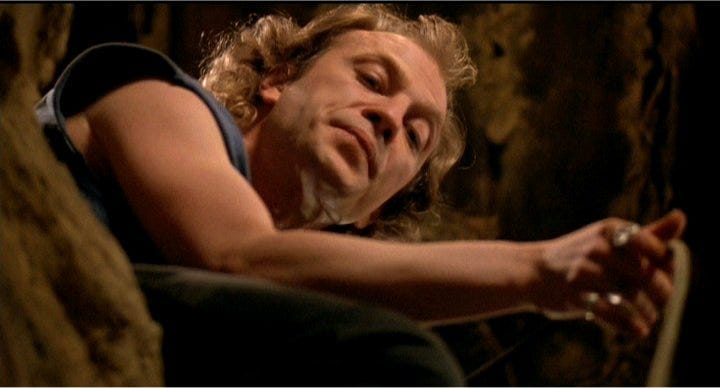
What is Clarice Starling’s “dragon cage”? It’s the boogeyman — or in her case, men — the two assailants who shot and killed her father. The evil ghosts from her past, lurking in her nightmares, the crying of the lambs representing the pleas for help from her father, also an innocent who is slaughtered. Her narrative destiny is, in part, to confront her dragon. And that narrative function is performed by Buffalo Bill who has taken being a bully to an extreme. He does not see his victims as people, rather as objects — “It puts the lotion on its skin”. Clarice cannot be free unless she “disintegrates” the dragon, Buffalo Bill, who represents the bullies who slayed her father.
What brainstorming can you do with the bully character type?
Ask yourself: What does my Protagonist fear most? What is their ‘dragon cage’? Then this: What character could best represent the object of the Protagonist’s fears in the form of a bully?
How would that bully look? How would they act? What would be their goals? Why would they be focused on the Protagonist?
It’s natural to assume a bully is a Nemesis character, but why not play around with other of the primary character archetypes as bullies? You can have Protagonists as bullies such as Melvin in As Good As It Gets. Mentor figures can have a bully streak to their personality such as Miyagi for the first half of The Karate Kid. How about a Trickster like Sergeant Hartman in Full Metal Jacket?
The bully type is all about power. As such, they can make for a powerful character in a story. Consider whether the story you’re working on now could benefit from having a bully… or whether you have a dragon lurking inside the psyche of a character who already exists.
What other bully character types can you think of in movies? Why do you think they make for such compelling figures?
For more Character Type articles, go here.
UPDATE: In comments, Patricia White added these valuable insights:
Hmm. Bully characters; how fun! I think I hated Boggs the most in The Shawshank Redemption. The fact that Red said, “You’d have to be human first,” makes me want to categorize Boggs as “Demonic Bully”. Andy gets punished (and eventually Boggs gets his comeuppance), which was rewarding to watch. Another bully is the “Do-Gooder” bully. In The Fugitive, Samuel Gerard, came off as a no-nonsense acerbic bully who lacked any warmth and bossed around his crew, local authorities, and anyone (including Richard Kimble), but he meant well — literally to do good and catch the ‘supposed’ criminal. Ursula the Sea Witch is also a reprehensible bully. She’s the “Negotiating Bully” giving you what you want in exchange for something overwhelming challenging (love’s first kiss in an overturned boat) and dangerous (turning Ariel into a shriveled ‘worm’ and attempting to kill Eric. Animated bullies have a sector all their own. I could go on and on, but another bully who stands out to me is Tom Buchanan in the 2013 adaptation of Gatsby. You just loved to hate him — not only was he a pompous ass, he was physically violent, so he wins a recent “Pompous Ass with Violence” bully award. Last, but not least, it’s a -way tie for “I See My Psyche in You, Yet You Liberated Me from Dragon” bully award, which goes to: 1. Annie Wilkes in Misery, 2. Cal in Titanic, and Master Chief in GI Jane. I need to stop, or I’d sit here for an hour having a ball examining good bullies.
Why are they compelling? Well, other than creating conflict and hating them, it builds relatability to the character. We all know a bully (a boss, a parent, a friend) who we’d like to kick in the teeth. We can confront them or let them destroy us. It’s entertaining to watch the protagonist fight the bully, and it’s even more fun to watch the bully get what he/she/it deserves. It’s also fun to give yourself to like a bully — if only for a moment. I felt satisfied when Joe killed Benji in You. I mean, Benji killed someone else, so I was like cool, not cool “Vigilante Bully”. We can’t admit that out loud, but we can in our own minds.
Just as there are character types, there endless variations on those types. Thanks, Patricia!