Interview (Audio): Ava DuVernay (“Queen Sugar”)
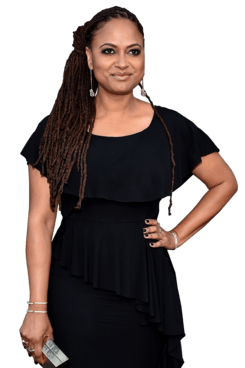
A Vulture TV Podcast featuring an interview with Ava DuVernay
Some excerpts:
It’s not as if you’re lacking for feature-film work these days, and TV is a longer commitment, it’s like adopting a kid almost. Why television?
I really can directly trace it to Cary Fukunaga and True Detective: First of all, you directed every episode; secondly, it’s badass. I saw that, and then Soderbergh and The Knick. I just loved that first season so much, and that’s when I became very aware — you know, Fincher had already done House of Cards, but I think it was like the pilot —
He did the pilot and then he set the style.
He set the style, and that’s something that we’d seen for a while. But it seemed like maybe four years ago or so it turned into auteurs really coming in and putting their whole stamp on a series beyond the pilot, beyond setting the stage, and I just thought that was fascinating, to tell the 13-hour story, the 8-hour story, you know? I wanted to try it.
You directed the first two episodes of the show, but you also co-wrote it. Can you run through all your roles?
I show-ran, so it was picking every director, all the casting decisions throughout all the episodes, costumes, prepping that stuff because when you go in so fast the episodic directors aren’t able to final cut on every single thing that we did. You know, it’s fast — it’s much different than filmmaking. This pace is nuts if you’re approaching it as a director. I talked to Shonda Rhimes about it and said, “How do you do this — producer-ily and writing wise? Churning this thing out?” Ten years she’s been doing it. Multiple series. I mean, of course she’s superwoman, but because I was trying to do it with the director’s eye and all of the details, it was nuts.
Ava DuVernay
It seems to me — and if I’m wrong, I’m sure you’ll tell me — that this show has a lot in common with your first two features. The feel of it — not just thematically, like some of the issues that come up like the loss of the matriarch or the patriarch, or a guy adjusting to life after doing time. But also the sparseness of it. The intimacy of it. This is not a big show. This is a small show. You’ve got like a dozen characters, you don’t got 80.
That’s right, and I loved it. I love going back to that kind of storytelling. Because doing A Wrinkle in Time or Selma or a couple of the other big pilots, I found myself longing for the indie spirit of getting a few actors on a set that’s just a house. They say indie films are just people talking in rooms. Um, I love people talking in rooms. I wanted to have people talking about really great stuff in rooms, and yeah, it is really a filmmaking that’s similar to what I did before. I was interrogating for myself how much that filmmaking style has changed now that I’ve done other things. I feel like I was little braver earlier.
In what way?
Because I didn’t know what I was doing. And so it’s like, “Let’s try it.” And I’d get in the editing room and find really interesting things. Now I know how to manage my time, I know how to get more material, which allows me to go into the editing room and put something together, but I don’t if the material has, for me, as much of the edge as I feel like I had early on.
Those first two movies DuVernay wrote and directed are I Will Follow and Middle of Nowhere. You can read my June 2013 interview with Ava in which she goes into depth about both of those movies.
For the rest of the Vulture podcast interview transcript, go here.