Interview (Written): Allison Schroeder
The co-writer of the screenplay Hidden Figures talks about her experiences.
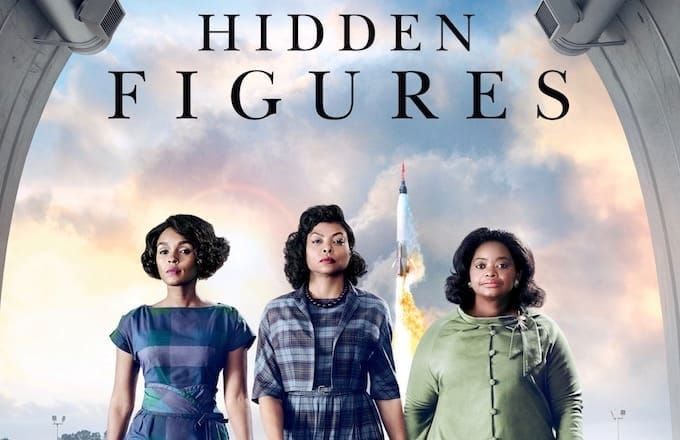
The co-writer of the screenplay Hidden Figures talks about her experiences.
A Broadly interview with Allison Schroeder who helped bring the story of three black female scientists to the screen.
I personally had never heard this story — I think most people haven’t. Was their story something you were already familiar with before you went on board?
So I didn’t know about these three ladies. My grandmother was a programmer at NASA and I also interned at NASA, so I was very aware that women were a part of NASA history even as early as the sixties, but I did not know about Katherine Johnson and Mary and Dorothy at all. And to read their stories is just crazy. Katherine had started to get some recognition recently from the Obama administration. But she was very insistent that the movie not just be about her. And I loved that. It needs to be about a group of women, especially three women who are friends and are lifting each other up and supporting each other.
There was a good conversation with Donna [Gigliotti] the producer and I had [about a] line of black women [who are walking from one building to another]. And she was like, “Do you really need that scene?” and I was like, yeah, because you need that image on screen not just of one black woman or two black women or three, but of a sea of this team to show it wasn’t just one, it wasn’t just an anomaly, this was a real group effort. And there were a lot of women that were involved that need to be recognized. And so it’s one of my favorite things in the movie: that power walk with her.
There’s a very realistic element to the movie and what these women go through. Taking your experience as someone who loves the STEM field and someone who has worked in it, how did that translate into writing the screenplay? Did you have to translate a lot of your own experiences into the screenplay?
First they asked me can you handle the math, and I said, yes I definitely can. Then I was think I can I can handle the math. It was fun to research further and figure out how to explain it to an audience in a way that was digestible. My experience was very helpful. The scene with Janelle Monáe [Mary Jackson] when she comes into the classroom and the professor says, “The curriculum is not designed for women” happened to me when I was studying abroad at Oxford and I walked into an international economics class. I said the same thing [as Monáe] — that teaching a man was the same as teaching a woman. Also the same thing with how they didn’t look the part. At Stanford a lot of the guys in my dorm were shocked when I said I was an economics major because I love to sing and dance, dress up, and have fun, and I didn’t fit their stereotype…That was all stuff that I could draw into this film. And then their friendship as well is how my friendships look — we have good days and bad days but we’re there for each other.
It also passes the Bechdel test. My female friends and I don’t spend our days talking about our romances, and maybe that is because we have such supportive husbands like women did in this movie. That was also something great to celebrate. Mary Jackson in her interviews would talk about how her husband used to cook all the meals for her so she could stay late at night, which I love.
A trailer for Hidden Figures:
For the rest of the interview, go here.