Interview (Written): Gary Whitta
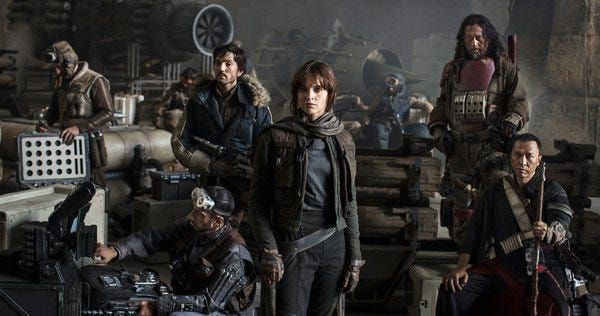
An Uproxx interview with screenwriter Gary Whitta whose writing credits include The Book of Eli and Rogue One: A Star Wars Story.
Is the screenwriting industry a vicious one?
I don’t know if “vicious” is the right word but I’ve been doing this for long enough to know that the film business is often brutally indifferent toward writers. They’re by far the most disposable and replaceable of any of the key creatives on a film production. I can’t think of any long-serving writers, even the super-successful ones, who haven’t been fired and replaced a bunch of times. On a work-for-hire job that can be easy enough to take, but on something you created yourself the emotional fallout can be devastating. I was replaced briefly on The Book of Eli, a movie I conceived and felt very deeply personally attached to, and when that happens, when something you love is taken away from you and given to someone else, the emotions you go through are weirdly like losing a wife or girlfriend you love to another guy. You ask yourself a lot of the same questions: I wonder what they’re doing together right now? What’s this new guy got that I haven’t? Is he better than me? Is he making her happier than I did? It sounds silly but it’s true. I think in that regard any creative endeavor is a lot like love — you have to make yourself vulnerable in order to truly engage in it, and with that vulnerability comes the risk of being hurt. But even after we do get hurt we wind up jumping back in again and again, because ultimately the rewards outweigh the risks, even if it doesn’t often seem that way.
The cast of Rogue One: A Star Wars Story
Is the process for writing a spec different from the one for a studio deadline?
When you’re writing for yourself, without any external deadline, it’s a much more open-ended process. You’re under no pressure from anyone but yourself. For writers who often struggle to self-motivate that can actually be a problem, it’s why so many of us have that book or that screenplay that they’ll never quite finish. I find I often write better under a deadline because it keeps your feet to the fire and prevents you from procrastinating. But it really depends on how much the material compels you to stay at the keyboard. I was under no time pressure to write the first draft of The Book of Eli, but I was so in love with the story I was unable to think about anything else, so I wrote it extremely quickly, in about a week. Abomination, on the other hand, took a couple of years. Not because I loved the story any less, but because life and actual paid work kept getting in the way.
For the rest of the interview, go here.