Interview (Written): John Sayles
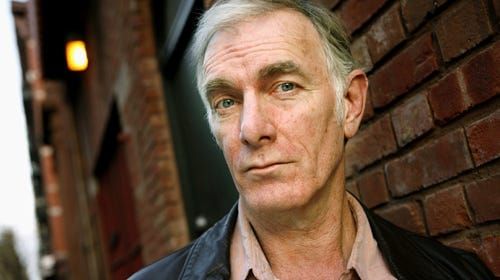
An Indiewire interview with renowned screenwriter, director, novelist, and independent film icon John Sayles:
You never stopped making movies over the past few decades. When did you start to notice the opportunities for distribution changing?
I think we’ve been lucky in that we’ve continued to be able to make movies, but what has changed the most is the distribution system. Moviemaking has actually gotten a little bit easier. Just the idea that you don’t have to buy film stock and develop it has been a lifesaver for documentaries. And certainly for filmmakers starting out, it’s just made it so much more democratic.
But the business end of it — the distribution end of it — has changed, so it’s very hard for people to get theatrical distribution these days. Even if it’s used as a loss leader, that’s still how you get on the map. All the other things follow, all the DVDs and TV sales and things like that. They’re usually based on some kind of theatrical release. There are people who make movies and give them a theatrical release, knowing that they’re only going to break even and make their real money on those other ancillary rights.
So I think a lot of filmmakers — including people who started out when we did — they make a movie whenever they can, and they just keep their fingers crossed that when it’s done they can find a distributor. And if they’re really lucky, they don’t have to pay that distributor to do it.
John Sayles
You’ve managed to move between genres better than a lot of filmmakers. You’ve written horror and sci-fi movies while directing more straightforward character pieces. You wrote an unproduced “Jurassic Park” sequel years before “Jurassic World.” How do you manage that kind of flexibility?
Genre can be used for all kinds of purposes. Sometimes you can just do straight genre — “let’s just blow up things a lot” — and other times, you can kind of subvert it a little bit. I’m more interested in the ones that are a little more self-conscious. I think you see both in the marketplace. I’ve liked the “Iron Man” movies because they’re very well-written. What was interesting about writing a “Jurassic Park” movie was that there were a couple ideas that I had been handed because I wasn’t the first writer on it. But they could probably shoot the script that I wrote today and it would different enough from what they did make. But I think they had realized because it took years to finally make the movie, by the time they made it, people were ready to go back to the island. The script that I wrote never went to the island.
So I think it was just a matter of time before they realized, “Oh, people aren’t going to feel cheated if we go back to the island.” There’s a whole generation of people who never went to the island with the dinosaurs, so this could be a much more familiar, traditional dinosaur movie. I think it’s safer — especially if you’re going to spend over a hundred million dollars — to make the more conservative choice, which is, “Let’s just startle people.”
For instance, the last Bond movie was well made in its way, but there wasn’t anything that surprised me. There wasn’t anything that I hadn’t seen in another Bond movie or something like it. And that’s not an accident, that’s a decision. The one before had actually gone back into the characters and tried to give them a backstory, so it was a little different. But those are huge corporate decisions that are made, and by the time a writer is brought in, the decision has pretty much been made: “Which kind of movie are we going to make? Are we going to get jiggy with this thing or are we going to just make another one?” I can’t imagine the conversations they’re having about “Fast and Furious”: “What are going to do that’s new with this thing? How do we crank another one of these out and make it surprising?”
For the rest of the interview, go here.