Interview (Written): Kenneth Lonergan
The writer-director talks about his latest movie “Manchester by the Sea”.
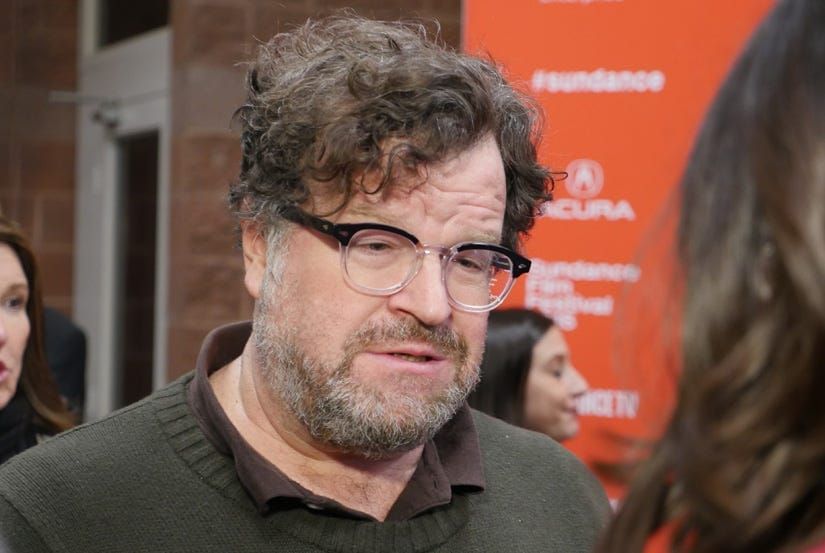
The writer-director talks about his latest movie “Manchester by the Sea”.
A Little White Lies interview with Kenneth Lonergan, whose writing-directing credits include You Can Count On Me, Margaret, and Manchester by the Sea.
Is it very different to write for men and women?
No I don’t think it’s any different at all, any different from writing one character or his brother, nephew, friend, uncle, boss.
So writing for Michelle Williams’ character in this film, there was no different impulse that came to you?
No. I think the requirement for me is to have a vivid picture in my mind of a human being and, if I don’t have that, I have to thrash around until I find it. Once I’ve found it it doesn’t make a difference whether it’s a man or a woman or child or an adult. As long as I can see and hear the person in my mind then I’m in good shape, I can write down what they say and then I can think of them like a human being like any other. When I don’t have a good idea I have to do a bit more work, but when it’s going well it’s like having a sort of daydream that you write down.
The film contains a key flashback sequence at about the half-way point. How do you feel about the term flashback?
It doesn’t bother me. It’s out of fashion now, but I don’t care about that. They’re flashbacks, but the truth is they’re specifically memories. They’re not flashbacks to tell the audience what happened as much as they are a look into his mind and what he’s thinking about. Of course there’s a certain amount of suspense, I think, that’s built up in wondering what’s wrong with him. He’s very peculiar in the way he behaves at the beginning of the film. In fact he’s rather strange all through the film because he’s so rigidly trying to keep everyone else at bay. And you learn why this is, but you learn it as he’s remembering it, and that’s the guide for when we go into the past.
An interesting take on flashback and I think a solid one: Think of them as specific memories for a specific character. Not just some generic drop into the past, but ground the events of the past grounded in the persona and imagination of a distinct personality.
For the rest of the interview, go here.