Movie Analysis: “Mission: Impossible — Rogue Nation” — Plot
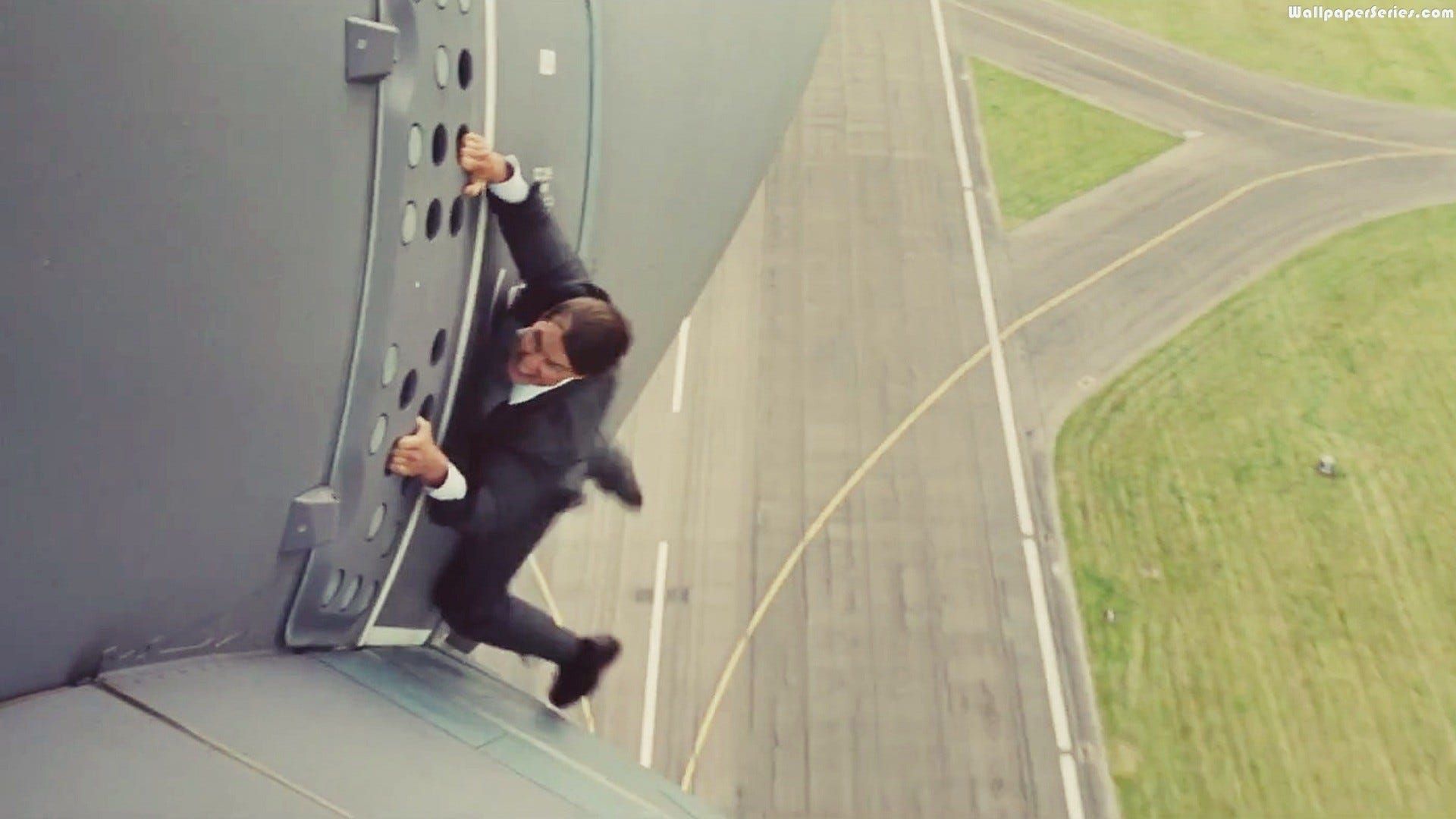
Another in our bi-weekly series in which we analyze movies currently in release. Why? To quote the writing mantra I coined over 5 years ago: Watch movies. Read scripts. Write pages. You will note which one comes first. Here are my reflections from that post about the importance of watching movies:
To be a good screenwriter, you need to have a broad exposure to the world of film. Every movie you see is a potential reference point for your writing, everything from story concepts you generate to characters you develop to scenes you construct. Moreover people who work in the movie business constantly reference existing movies when discussing stories you write; it’s a shorthand way of getting across what they mean or envision.
But most importantly, you need to watch movies in order to ‘get’ how movie stories work. If you immerse yourself in the world of film, it’s like a Gestalt experience where you begin to grasp intuitively scene composition, story structure, character functions, dialogue and subtext, transitions and pacing, and so on.
Let me add this: It’s important to see movies as they get released so that you stay on top of the business. Decisions get made in Hollywood in large part depending upon how movies perform, so watching movies as they come out puts you in the same head space as reps, producers, execs, and buyers.
This week’s movie: Mission: Impossible — Rogue Nation, screenplay by Christopher McQuarrie, story by Christopher McQuarrie and Drew Pearce, television series by Bruce Geller.
Our schedule for discussion this week:
Monday: General Comments
Tuesday: Plot
Wednesday: Characters
Thursday: Themes
Friday: Takeaways
For those of you who have not seen the movie, do not click MORE as we will be trafficking in major spoilers. If you have seen Mission: Impossible — Rogue Nation, I invite you to join me in breaking down and analyzing the movie.
MIRN has a seamless plot. There are a number of sequences and going from memory, this is what I have for a breakdown:
* Opening: Ethan and IMF team intercept nerve gas from airplane
* Ethan captured by The Syndicate, but escapes with help of Ilsa / Ethan vows to find Lane who killed young field agent
* Senate Committee meets with CIA director Alan Hunley and IMF agent William Brandt / IMF disbanded and brought into CIA oversight
* 6 months later: Ethan with Cuba fakeout
* Ethan lures Benji to Vienna: Big ass opera set piece
* IMF team follows Ilsa to Morocco / Infiltrate secure server to retrieve “ledger” / motorcycle chase / Ilsa escapes
* Ilsa: Meets with Attlee, then with Lane / thumb drive has been erased by Attlee
* IMF confronts Ilsa / Benji kidnapped / Chase
* IMF plan: Charity Auction Sting / acquire ledger information
* Ethan: Meets with Benji, Ilsa and (remotely) Lane
* Chase and shootout / Lane stuck in a box
* Denouement: Hunley and Brandt in front of Senate committee
Each sequence leads to the next with the possible exception of the Cuba sting. There is no setup for it and the only way we know time has passed is the long beard Ethan has grown. That said, the team which hits the wrong place does retrieve all of the photos and clippings from the wall which Hunley brings to Benji during his recurring interrogation, so the sequence is not without an impact on the plot.
One of the challenges with this franchise is how to keep the viewer in the loop about what’s going on, the details of plans and where things are going right or wrong. This requires slowing down the pace and going through some substantive exposition. I thought McQuarrie did an excellent job balancing the action with following scenes where things slow down and character process what they’ve learned and how to put that new knowledge into use.
All in all, it’s a pretty damn seamless plot which is especially noteworthy due to multiple perspectives (Ethan, Ilsa, Hunley, Lane, etc) and all the story’s twists and turns.
Were you able to track the plot? Did it sustain your interest?
Please join me in comments to further analyze Mission: Impossible — Rogue Nation.
Comment Archive