Interview (Video): Tom McCarthy (“Spotlight”) A Q&A with Spotlight co-writer and director Tom McCarthy from a January 5, 2016 appearance at the Directors Guild of America. DGA.
Daily Dialogue — January 23, 2016 Brontë: Oh. Georges: It’s okay. Brontë: What? Georges: Monticello. I think I tried too hard. I blew it. Brontë Oh. Why didn’t you tell me? Geroges: It’s all right. We made a deal. If I leave quickly then you keep your beautiful greenhouse. Brontë I don’t
“The Definitive List of Cliché Dialogue” “The Definitive List of Cliché Dialogue” started with U.K.-based screenwriter Kevin Lehane. I explained the background in a post here back in November, 2009: Just about a month ago, I posted this: Writer Kevin Lehane, whose script “Grabbers” made the most recent Brit List, the UK equivalent of
Re-Write-O-Rama: Day 22 Re-Write-O-Rama: Day 22. January 1: Type FADE IN / The Beginning. January 31: Type FADE OUT / The End. 31 days. 1 script. Movie script. TV script. Whatever. Goal: Rewrite an existing draft. I’m doing it with a Zero Draft I knocked out in November. You’re invited
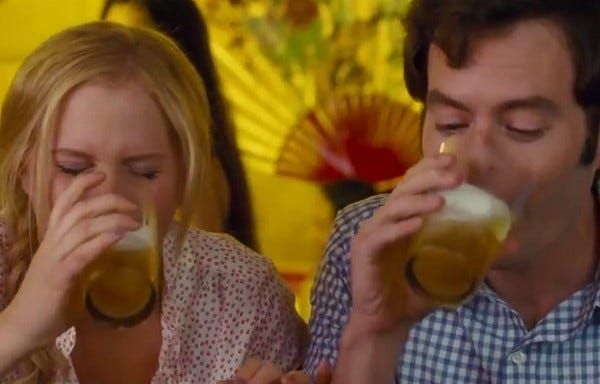
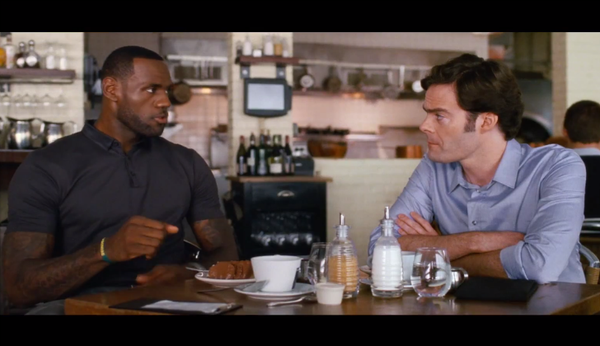
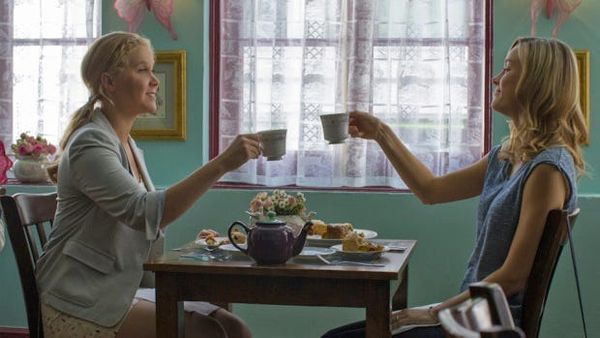
Script Analysis: “Trainwreck” — Part 5: Dialogue Reading scripts. Absolutely critical to learn the craft of screenwriting. The focus of this weekly series is a deep structural and thematic analysis of each script we read. Our daily schedule: Monday: Scene-By-Scene Breakdown Tuesday: Plot Wednesday: Characters Thursday: Themes Friday: Dialogue Saturday: Takeaways Today: Dialogue. You may
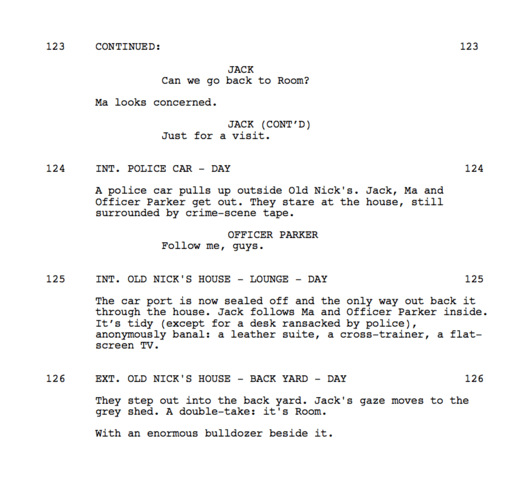
The Toughest Scene I Wrote: “Room” Once again, Vulture does screenwriters a solid: Vulture is speaking to the screenwriters behind 2015’s most acclaimed movies about the scenes they found most difficult to crack. In an article about the movie Room, screenwriter Emma Donoghue “shares the struggle she faced in cutting an emotional scene while writing
Generating Story Ideas Longtime readers know my opinion on this subject: “A spec script will not sell unless it has a strong story concept”: If you write a spec script based upon the first story idea that comes into your mind, that script likely won’t sell. Why? Because almost assuredly, it is
Daily Dialogue — January 22, 2016 “You know what’s wrong with you, Miss Whoever-you-are? You’re chicken, you’ve got no guts. You’re afraid to stick out your chin and say, ‘Okay, life’s a fact, people do fall in love, people do belong to each other, because that’s the only
Guest Post: Geoff LaTulippe Screenwriter Geoff LaTulippe (Going the Distance) has a blog. A Twitter feed. A podcast. And an appreciation for fine cigars. He also has opinions. Strong ones. I am reprinting by permission his latest blog post: SO…LET ME CLEAR UP SOMETHING I’VE ALWAYS BEEN REALLY SUPER CLEAR ABOUT Earlier
Re-Write-O-Rama: Day 21 Re-Write-O-Rama: Day 21. January 1: Type FADE IN / The Beginning. January 31: Type FADE OUT / The End. 31 days. 1 script. Movie script. TV script. Whatever. Goal: Rewrite an existing draft. I’m doing it with a Zero Draft I knocked out in November. You’re invited
Script Analysis: “Trainwreck” — Part 4: Themes Reading scripts. Absolutely critical to learn the craft of screenwriting. The focus of this weekly series is a deep structural and thematic analysis of each script we read. Our daily schedule: Monday: Scene-By-Scene Breakdown Tuesday: Plot Wednesday: Characters Thursday: Themes Friday: Dialogue Saturday: Takeaways Today: Themes. I have
Screenplays are stories, not formulas William Goldman has famously written, “Screenplays are structure.” That is true in a tangible sense because at some point, a script becomes a blueprint for the production of a movie. And in a very real way, everything hangs on the structure of the narrative — how one scene flows to the
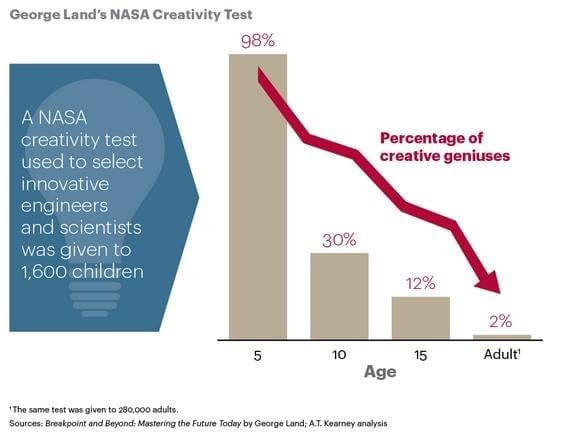
Writing and the Creative Life: Is “unlearning” the key to creativity? What if everything we have learned in our lives has actually diminished our creativity? That we were inherently creative as children, then over time lost much of that capability. That possibility is what I discovered when I stumbled across this blog post at Creativity at Work. In 1968, George Land
Daily Dialogue — January 21, 2016 “Obliviate.” — Harry Potter and the Deathly Hallows: Part 1 (2010), screenplay by Steve Kloves, based on the novel by J.K. Rowling Daily Dialogue theme for the week: Farewell, recommended by stetsonhayes. Today’s suggestion by Will King. Trivia: According to David Heyman, the work print of “Harry Potter and
There is no right way to write It is perhaps the single most fundamental truth about screenwriting in particular and writing in general that I know… There is no right way to write. No single formula. No one system. No mystical process that guarantees success. Think about it: Why should there be? Stories are organic. Living, breathing,
Re-Write-O-Rama: Day 20 Re-Write-O-Rama: Day 20. January 1: Type FADE IN / The Beginning. January 31: Type FADE OUT / The End. 31 days. 1 script. Movie script. TV script. Whatever. Goal: Rewrite an existing draft. I’m doing it with a Zero Draft I knocked out in November. You’re invited
Script Analysis: “Trainwreck” — Part 3: Characters Reading scripts. Absolutely critical to learn the craft of screenwriting. The focus of this weekly series is a deep structural and thematic analysis of each script we read. Our daily schedule: Monday: Scene-By-Scene Breakdown Tuesday: Plot Wednesday: Characters Thursday: Themes Friday: Dialogue Saturday: Takeaways Today: Characters. Characters are
Spec Script Deal: “Bury the Lead” Elston Films acquires 2013 Black List script “Bury the Lead” written by Justin Kremer. From Variety: Kremer’s screenplay centers on a talented journalist who, in his life-long quest for a Pulitzer Prize, fabricates the truth to create a compelling murder story. When his concocted conspiracy becomes real, right
Great Scene: “Heat” October is Great Scene month at Go Into The Story whereby we put a spotlight on notable movie scenes, then analyze and discuss them. Their structure, themes, character dynamics. Why do they work? What are their narrative elements that elevate them to greatness? Let’s face it: In a fundamental
Daily Dialogue — January 20, 2016 INT. TRAIN STATION — DAY Jesse and Céline walk side by side. A LOUDSPEAKER makes an inaudible announcement. Jesse: Yeah. No problem. Céline points at the coach. They stop. Céline: I should get on this one. Jesse: Right here? You wanna get on there? All right. Céline: Yeah. Jesse: Um. They
Re-Write-O-Rama: Day 19 Re-Write-O-Rama: Day 19. January 1: Type FADE IN / The Beginning. January 31: Type FADE OUT / The End. 31 days. 1 script. Movie script. TV script. Whatever. Goal: Rewrite an existing draft. I’m doing it with a Zero Draft I knocked out in November. You’re invited
Script Analysis: “Trainwreck” — Part 2: Plot Reading scripts. Absolutely critical to learn the craft of screenwriting. The focus of this weekly series is a deep structural and thematic analysis of each script we read. Our daily schedule: Monday: Scene-By-Scene Breakdown Tuesday: Plot Wednesday: Characters Thursday: Themes Friday: Dialogue Saturday: Takeaways Today: Plot. In every
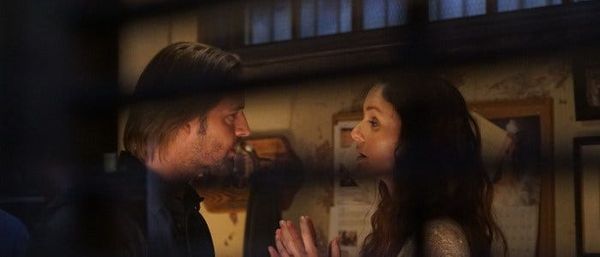
Interview (Written): Carlton Cuse and Ryan Condal (“Colony”) A /film interview by Fred Topel with producer Carlton Cuse and showrunner Ryan Condal of the new USA network series “Colony”: Is there a difference between secrets the characters know and secrets you’re keeping from them? Cuse: Good question! Yes. There are two types of secrets. There are the
Screenwriting 101: Roger Simon “Richard Dreyfuss, who had always wanted to play the Moses Wine character, said, well let’s do it together. So we got a deal at Universal, and went off to a New York hotel suite. Dreyfuss said Spielberg used to tell him the way to adapt books was to throw
Daily Dialogue — January 19, 2016 Terence Mann: Ray, there was a reason they chose me, just as there was a reason they chose you and this field. Ray Kinsella: Why? Terence Mann: I gave an interview. Ray Kinsella: What interview? What are you talking about? Terence Mann: The one about Ebbets Field. The one that