Reader Question: What do I do if I’m less interested in my Protagonist than other characters?
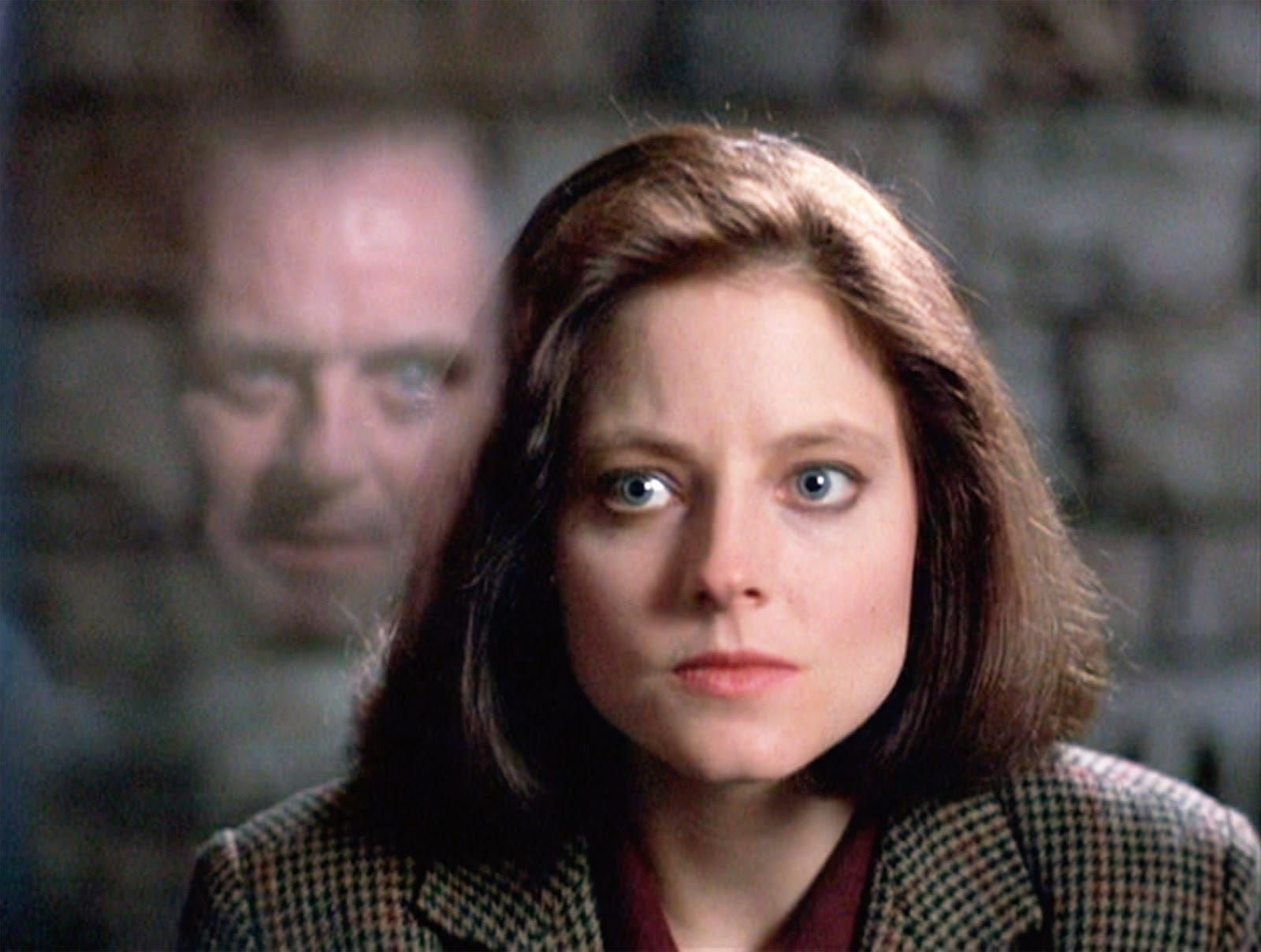
This is actually a question that arose in the current prep workshop I am leading. My response:
It’s kind of ironic that in many movies, the Protagonist is not necessarily the most interesting character. Per your references, Lecter is more interesting to most folks I would guess than Clarice in The Silence of the Lambs. Sam Gamgee over Frodo and certainly Gollum over them both. But that does not necessarily translate into them functioning as the story’s Protagonist. They can, of course, but not required.
You concern points to several significant issues. As it’s late at night, let me hit on one of them. We can return to the subject if you remind me tomorrow.
What do I do if I’m more interested in another character as compared to my Protagonist?
This is not easily answered. For example, it is critical if our story has a Nemesis character in the classic sense of the word that we make them a worthy foe. More often than not, that means making them multidimensional, fascinating characters. In that process, we can find ourselves much more intrigued by them than our Protagonist. That goes with other characters as well… Mentor, Trickster, Attractor.
I remember going up for the project Jonny Quest, a rewrite of an existing script. The script was really well written. One problem: It was clear the writer had a much greater affinity for Race Bannon than Jonny. That’s a problem when the project is called… you know… JONNY QUEST!
So what do in that situation? Acknowledge you have done a good job in digging into the non-P character. Good for you! Now do the same to your P. You have to find what is compelling about the P. It’s up to you to make their storyline at least equally important.
A big clue: As noted in Lecture 1, the Protagonist is generally the character who goes through the most significant metamorphosis. Nemesis characters often don’t change at all. That should give you a leg up with your P character.
Make that metamorphosis damn interesting!
That’s why Clarice Starling works as well as she does in TSOTL: She’s plagued by nightmares based on a horror background re the death of her father and the mystery of what happened on that Montana farm.
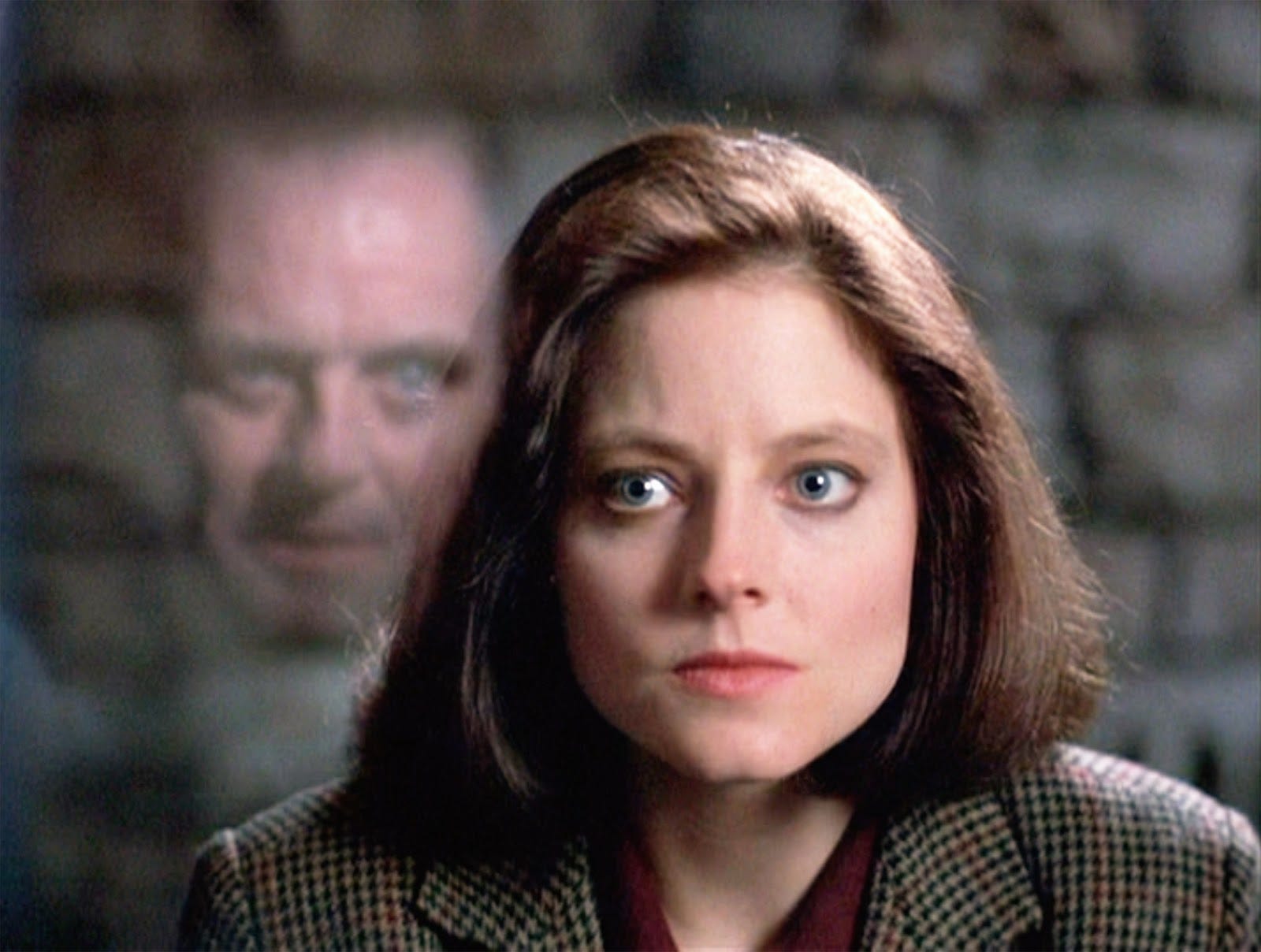
Consider the words of screenwriter Ted Tally who wrote the script adaptation for TSOTL:
“And then, for reasons I’m not even sure of, I felt very moved, and still do, by Clarice Starling. By her courage and vulnerability–and I probably respond more to courage in a main character than any other quality. She’s in a male world, and she’s a student, and she’s orphaned… I was just deeply moved by her. And Thomas Harris had so artfully worked in mythic underpinnings–it just had this feeling that there’s the orphaned young woman making her way in the world, and there’s the good stepfather in Crawford and the evil stepfather who’s Lecter who are taking on her education. That’s a huge part of the story, in fact it’s the emotional heart of the whole story; her search for a missing father and her attempt to replaced that void which is never going to go away. The whole thing of saving the lamb and being able to save Catherine Martin is all tied up with her inability to save her own father when she was a child.”
Note how much affection he had for Clarice, how much compassion he felt for her. I’m sure he loved writing Lecter, but he still found a way to connect with the story’s Protagonist. And it’s largely through her metamorphosis.
My advice: Dig deeper into your Protagonist. You may not feel much of a connection to her because you don’t know her well enough yet, haven’t peeled back enough layers of her psyche to uncover cool, even surprising aspects of who she is.
For more of Ted Tally’s thoughts on TSOTL, go here.
What do you do when you find yourself working with a Protagonist who is less interesting than other characters?
Comment Archive