Script Analysis: “Kubo and the Two Strings” — Part 4: Themes
Read the script for the acclaimed animated movie and discuss this week.
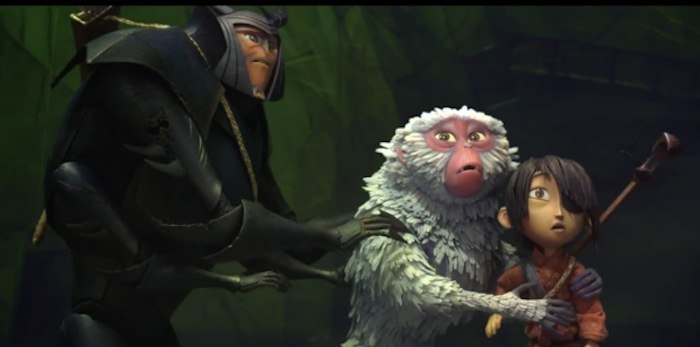
Read the script for the acclaimed animated movie and discuss this week.
Reading scripts. Absolutely critical to learn the craft of screenwriting. The focus of this bi-weekly series is a deep structural and thematic analysis of each script we read. Our daily schedule:
Monday: Scene-By-Scene Breakdown
Tuesday: Plot
Wednesday: Characters
Thursday: Themes
Friday: Dialogue
Saturday: Takeaways
Today: Themes.
I have this theory about theme. In two parts. First, a principle: Theme = Meaning. What does the story mean? Second, while there is almost always a Central Theme, there are multiple other Sub-Themes at play in a story. Therefore the question, What does a story mean takes on several layers of meaning?
Time to ponder themes in Kubo and the Two Strings. You may download a copy of the script here. You may also watch the movie on Netflix.
Screenplay by Marc Haimes and Chris Butler, story by Shannon Tindle and Marc Haimes.
IMDb plot summary: A young boy named Kubo must locate a magical suit of armor worn by his late father in order to defeat a vengeful spirit from the past.
Writing Exercise: Explore the themes in Kubo and the Two Strings. What is its Central Theme? What are some of the related Sub-Themes?
Major kudos to Nikki Syreeta for doing this week’s scene-by-scene breakdown.
To download a PDF of the breakdown for Kubo and the Two Strings, go here.
For Part 1, to read the Scene-By-Scene Breakdown, go here.
For Part 2, to read the Major Plotline Points, go here.
For Part 3, to read Characters, go here.
Tomorrow we shift our focus to the script’s dialogue.
Seize this opportunity and join in the conversation!
I hope to see you in the RESPONSE section about this week’s script: Kubo and the Two Strings.