Script Analysis: “Looper” — Part 5: Takeaways
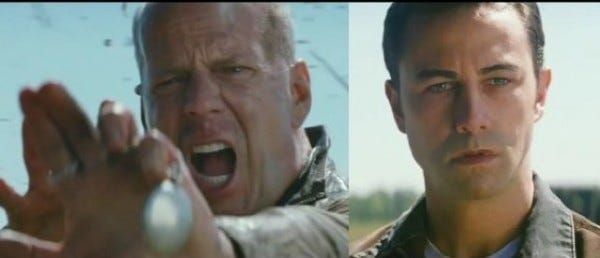
Reading scripts. Absolutely critical to learn the craft of screenwriting. The focus of this weekly series is a deep structural and thematic analysis of each script we read. Our daily schedule:
Monday: Scene-By-Scene Breakdown
Tuesday: Major Plot Points
Wednesday: Sequences
Thursday: Themes
Friday: Takeaways
Today: Takeaways.
This week, we have been reading, analyzing, and discussing the script and movie Looper. In some ways, today’s exercise is the whole point of the series: What did you take away from the experience of reading and analyzing the script?
Written and directed by Rian Johnson.
IMDb plot summary: In 2074, when the mob wants to get rid of someone, the target is sent into the past, where a hired gun awaits — someone like Joe — who one day learns the mob wants to ‘close the loop’ by sending back Joe’s future self for assassination.
For Part 1, to read the Scene-By-Scene Breakdown, go here.
For Part 2, to read the Major Plot Points, go here.
For Part 3, to read the Sequences, go here.
For Part 4, to read the Themes, go here.
REQUEST: We have some incredible scripts in the GITS library which we have yet to analyze including 12 Years a Slave, The Wolf of Wall Street, and many more.
I am looking for volunteers to read a script and provide a scene-by-scene breakdown for it to be used as part of our weekly series. What do you get? Beyond your name being noted here, my thanks, and some creative juju, hopefully you will learn something about story structure and develop another skill set which is super helpful in learning and practicing the craft.
The latest volunteers:
Birdman — Doc Kane
Dallas Buyers Club — Devin Dingler
Frozen — Doc Kane
Gone Girl — Ashley
Looper — Michael Perkins
Nebraska — David Joyner
Nightcrawler — Marija
Thanks, all!
To see examples of scene-by-scene breakdowns, go here. Part of the goal is to create a library of breakdowns for writers to have at their disposal for research and learning.
You may see the scripts we can use for the series — free and legal — by going here.
To date, we have analyzed 45 movie scripts, a great resource for screenwriters. To see those analyses, go here.
Thanks to any of you who will rise to the occasion and take on a scene-by-scene breakdown.
And for those of you who have volunteered, please send me your scene-by-scene breakdown as soon as possible!
Circling back to where we started, reading scripts is hugely important. Analyzing them even more so. If you want to work in Hollywood as a writer, you need to develop your critical analytical skills. This is one way to do that.
So seize this opportunity and join in the conversation!
I hope to see you in comments about this week’s script: Looper.