Script Analysis: “The Imitation Game” — Part 5: Takeaways
Reading scripts. Absolutely critical to learn the craft of screenwriting. The focus of this weekly series is a deep structural and thematic analysis of each script we read. Our daily schedule:
Monday: Scene-By-Scene Breakdown
Tuesday: Major Plot Points
Wednesday: Sequences
Thursday: Psychological Journey
Friday: Takeaways
Today: Takeaways.
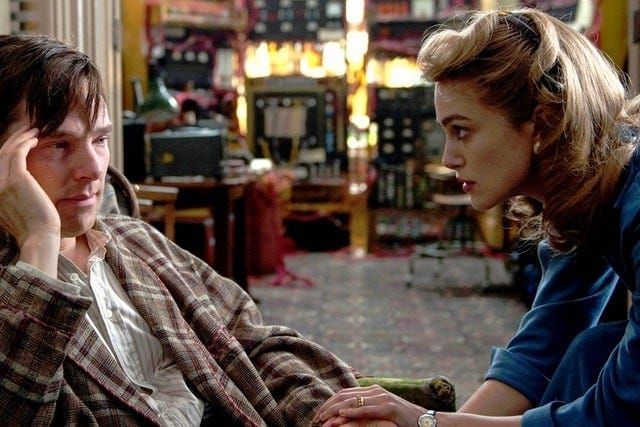
This week, we have been reading, analyzing, and discussing the script and movie The Imitation Game. In some ways, today’s exercise is the whole point of the series: What did you take away from the experience of reading and analyzing the script?
Screenplay by Graham Moore, book by Andrew Hodges.
IMDb plot summary: During World War II, mathematician Alan Turing tries to crack the enigma code with help from fellow mathematicians.
Writing Exercise: What did you take away from reading and analyzing the script for The Imitation Game?
For Part 1, to read the Scene-By-Scene Breakdown, go here.
For Part 2, to read the Major Plot Points, go here.
For Part 3, to read the Sequences, go here.
For Part 4, to read the Psychological Journey, go here.
This series started here and we have volunteers to do 27 scene-by-scene breakdowns of contemporary movie scripts. The scripts we have already analyzed are in italics.
American Hustle: Jon Raymond
Argo: Nora Barry
Barney’s Version: John M
Belle: DaniM
Beginners: Ali Coad
Boyhood: Jacob Jensen
Enough Said: Ali Coad
Flight: 14Shari
Frankenwenie: Will King
Frozen: Christina Sekeris
Gone Girl: NateKohler1
Gravity: Matt Duriez
Hanna: John Arends
Lincoln: Paul Graunke
Looper: erikledrew
Moonrise Kingdom: Daniel Bigler
Mud: Alejandro
Paranorman: OhScotty
Prisoners: Melinda Mahaffey Icden
Short Term 12: Carolina Groppa
The Artist: Traci Nell Peterson
The Grand Budapest Hotel: Rob Hoskins
The Imitation Game: Rick Dyke, Sean Sauber
The Social Network: Nick Dykal
The Way Way Back: Ricky
Wadjda: iamdaniel
Whiplash: Steven Broughton
If you’d like to participate and do a scene-by-scene breakdown yourself, please indicate which script in comments or email me. We are using scripts available on our site here.
For new volunteers and those who have already volunteered, but not sent me a breakdown yet, please do so as soon as possible. Thanks!
Circling back to where we started, reading scripts is hugely important. Analyzing them even more so. If you want to work in Hollywood as a writer, you need to develop your critical analytical skills. This is one way to do that.
So seize this opportunity and join in the conversation!
I hope to see you in comments about this week’s script: The Imitation Game.
Comment Archive