Sundays with "Conversations with Wilder"
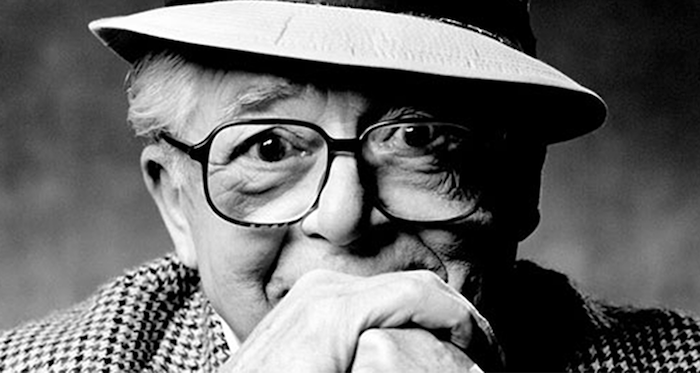
Billy Wilder is my all-time favorite filmmaker. Consider just some of his movies: Double Indemnity (1944), Sunset Blvd. (1950), Stalag 17 (1953), Witness for the Prosecution (1957), Some Like It Hot (1959), The Apartment (1960), an oeuvre that demonstrates an incredible range in a filmmaking career that went from 1929 to 1981.
One of the best books on filmmaking and storytelling is Conversations With Wilder in which Cameron Crowe, a fantastic filmmaker in his own right (Say Anything, Singles, Jerry Maguire, Almost Famous) sat down with Wilder for multiple hours and they talked movies.
Wilder is probably best known as a director, but at the core of his creative being, he was a screenwriter. Check out these Wilder quotes.
"Film’s thought of as a director’s medium because the director creates the end product. It’s that stupid auteur theory again, that the director is the author of the film. But what does the director shoot — the telephone book?"
"Eighty percent of a motion picture is writing, the other twenty percent is the execution."
"I think writers are vastly underrated and underpaid. It’s totally impossible to make a great picture out of a lousy script.”
Spoken like a true screenwriter!
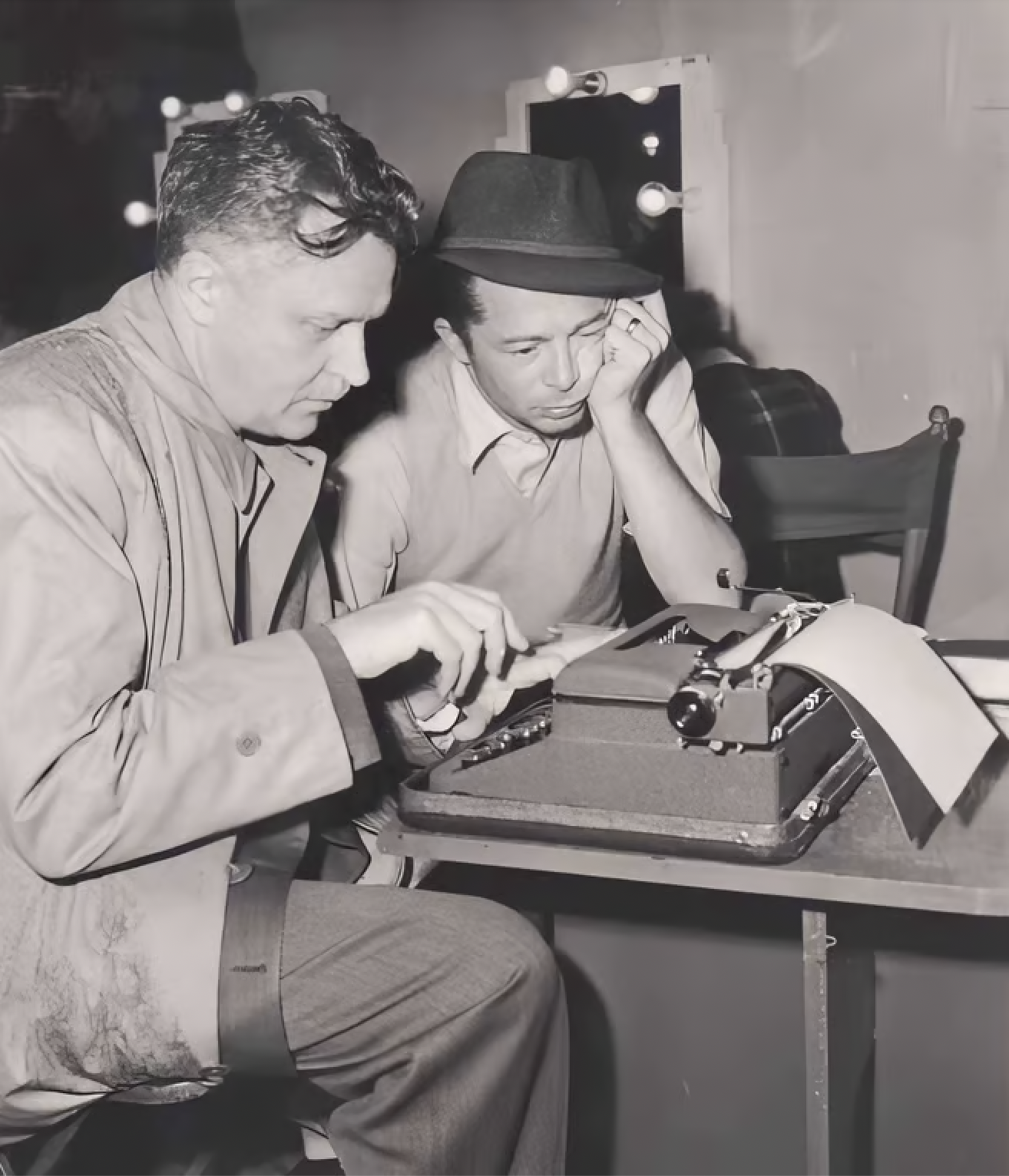
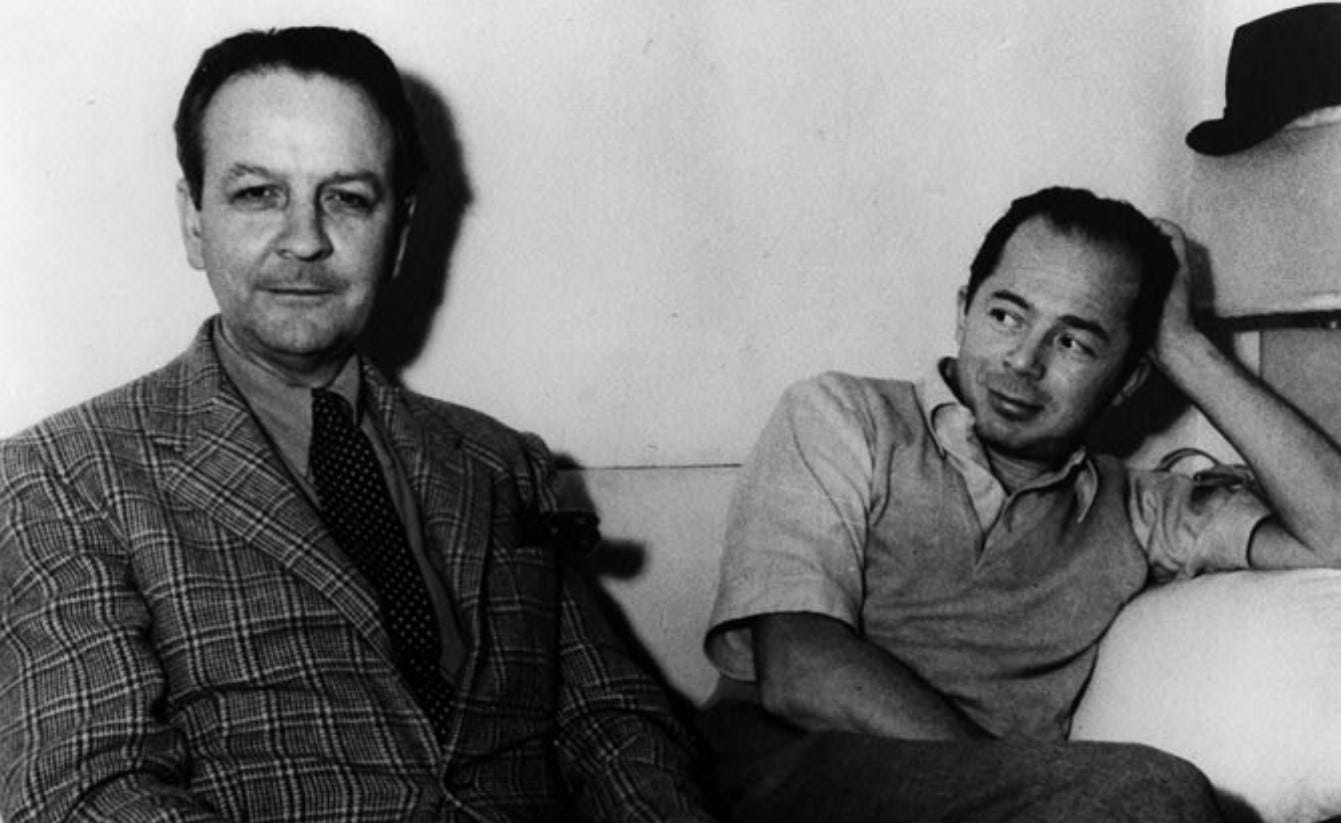
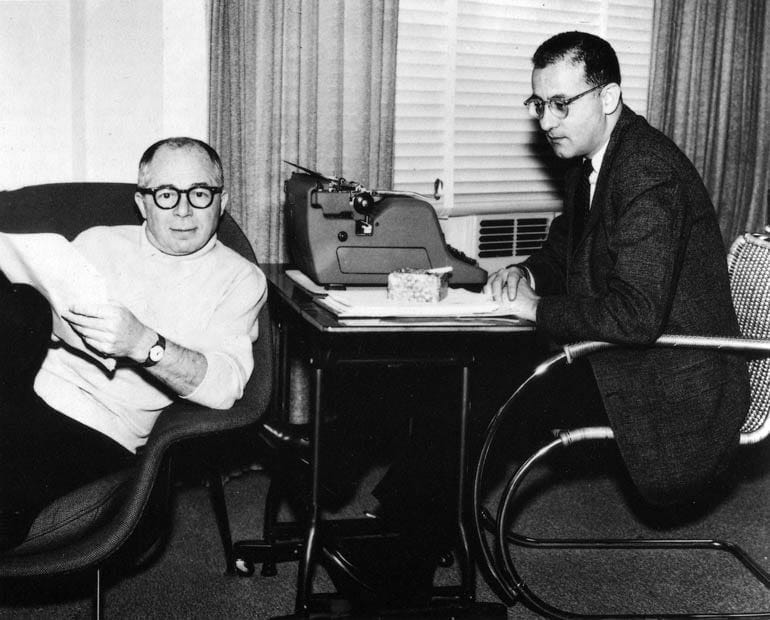
Here is a weekly series I did some years back going through the book and spotlighting key observations and reflections from the great writer-director.
Part 1: The Cockroach Anecdote
Part 2: George Cukor’s advice to Jack Lemmon
Part 3: The derivation of “Shut up and deal,” the last line of The Apartment
Part 5: “To entertain and not to repeat myself and to make as few mistakes as possible”
Part 6: Ninotchka and the hat subplot
Part 7: Great anecdote about the seduction scene in Some Like It Hot
Part 8: His working relationship with writing partner I.A.L. “Izzy” Diamond
Part 9: How the Dr. Dreyfuss character in The Apartment came into existence
Part 10: A broken mirror in The Apartment exemplifies visual storytelling
Part 13: Raymond Chandler, great lines and the importance of structure
Part 14: Reflections on the role of the director
Part 16: Romantic comedies, leading men and small stories
Part 17: Getting it down in the script before directing it
Part 19: How he switched Protagonists in a story concept and came up with The Apartment
Part 20: How he took a good concept from a bad movie and made Some Like It Hot
Part 21: The intention behind the frantic pace of One, Two, Three
Part 22: Wilder’s 10 screenwriting tips
Part 23: The impact of crafting story structure with the audience in mind
Part 24: On the powerful final shot of Ace in the Hole
Part 25: On cross-dressing in Tootsie and Some Like It Hot
Part 26: The alternate ending for Double Indemnity
Part 27: The time Wilder told MGM mogul Louis B. Mayer to “Go fuck yourself”
Part 28: The key to writing exposition — “Make the medicine go down easy”
If you're a Wilder fan, I recommend the biography: "Billy Wilder: Dancing on the Edge".
Comment Archive