The 3 E’s of Scene Description: Essential, Efficient, Entertaining
The 3 E’s of Scene-Writing: Essential, Efficient, Entertaining
Determining how much and what to write in scene description.
A quick post about scene description. Every single time we sit down to write a scene and describe the setting, characters, action, and atmosphere, we confront this dynamic tension:
- How much is too little?
- How much is too much?
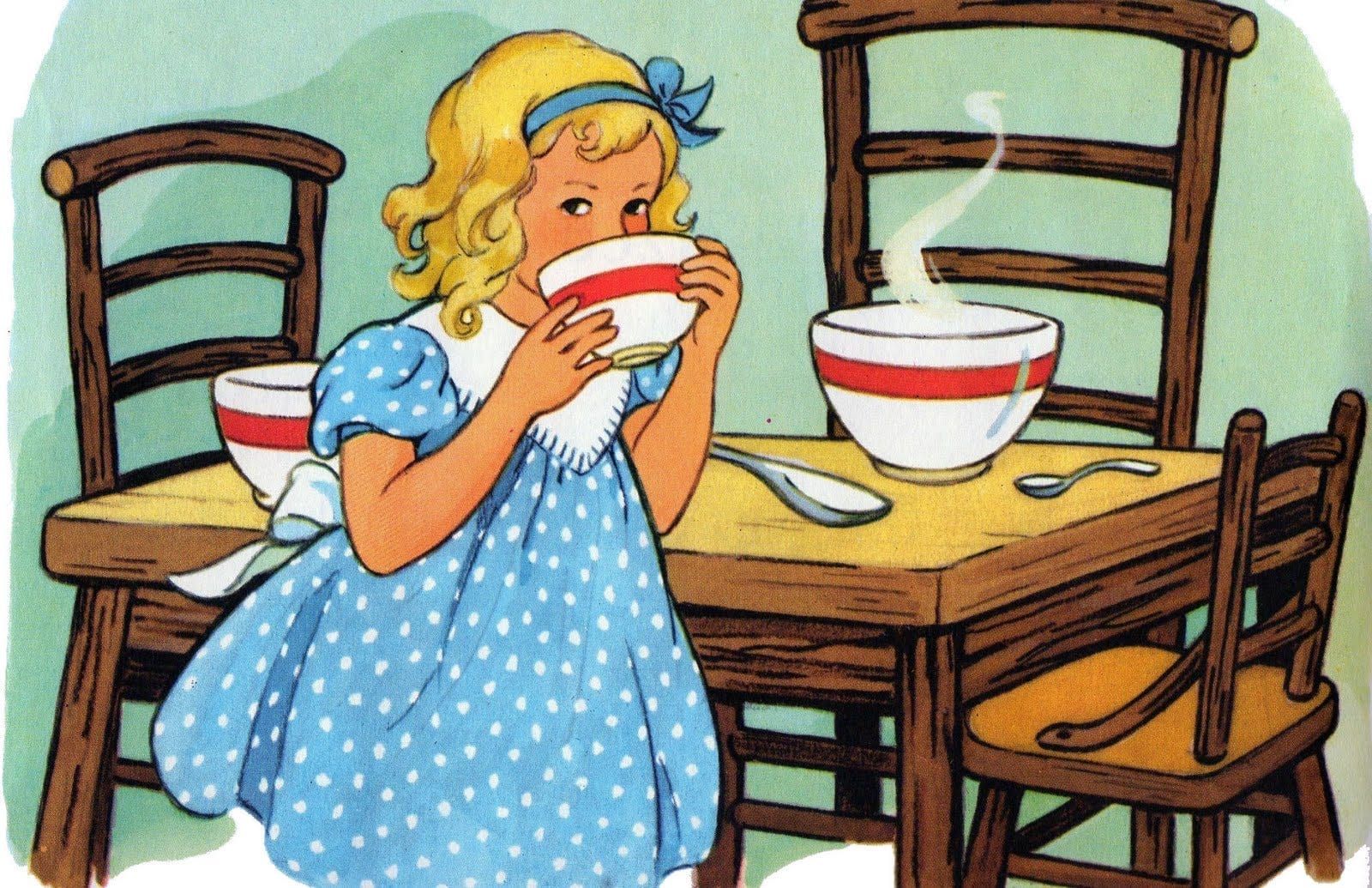
It’s a bit like Goldilocks and the Three Bears. This bowl is too little, so we don’t we really convey what we need to a reader. And this bowl is too much, so we overburden a reader with description.
The reality is we have to find that midpoint, the balance between prosaic and brevity, evocative yet lean. Scene description that is just right.
So when it comes to scene description — how much is too little / how much is too much — think of the three E’s:
- Essential
- Efficient
- Entertaining
Is what we choose to write ESSENTIAL to the telling of the scene?
Is what we choose to write the most EFFICIENT way to convey what transpires?
Is what we choose to write the most ENTERTAINING way of telling the scene?
Consider this from the script for Wall-E:
Wally runs for it.
An enormous COLUMN OF FIRE blocks his path.
A second column of fire.
A third.
Trapped.
Or this from The Last Boy Scout:
And jumps the railing. Plummets, head over heels like a
rag doll. Hits the yellow car spot on. She lies, dead,
like an extinguished dream. Still beautiful.
Or this from Pulp Fiction:
And with that, Pumpkin and Honey Bunny grab their weapons,
stand up and rob the restaurant. Pumpkin’s robbery persona
is that of the in-control professional. Honey Bunny’s is
that of the psychopathic, hair-triggered, loose cannon.
In a first draft, you just write, don’t worry about this. Immerse yourself in your story and allow the creativity / imagery to flow. In rewrites, you tighten and focus. Or if you shorthanded a scene, you explore and expand. But you can use as your touchstone the three E’s: Essential. Efficient. Entertaining.