Written Interview: Howard Koch, Julius Epstein, Frank Miller (“Casablanca”)
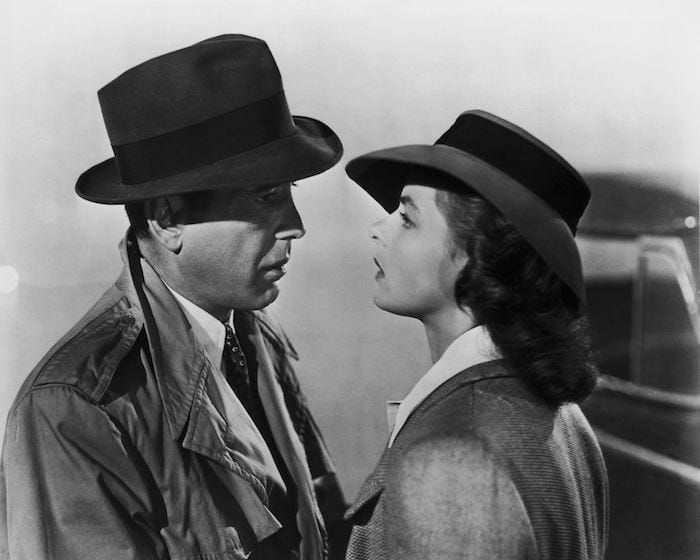
Written Interview: Howard Koch, Julius Epstein (“Casablanca”)
A special treat today: An interview with screenwriters Howard Koch and Julius J. Epstein, who along with his brother Philip G. Epstein, received “screenplay by” credit for the classic movie Casablanca (1942).
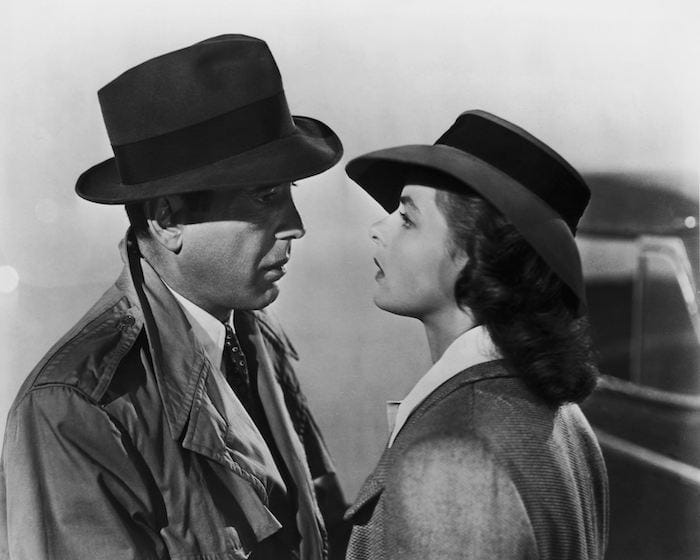
Apparently this was the last interview Koch gave as he died shortly thereafter. It’s interesting to see how each writer talks about their respective involvement with the movie (they never worked together). But perhaps the most intriguing bit of information is revealed by the third participant in the interview author Frank Miller who wrote “CASABLANCA: As Time Goes By,” probably the most important book about the making of the movie. Here is that excerpt:
AUDIENCE QUESTION: I loved the film and the excellent writing. Great cast, wonderful ending. How did they decide which ending to use?
FRANK MILLER: It was a combination of censorship and solid story sense. They originally planned for Rick to send Ilsa off, but did now have any idea how to do it. Then, after they started filming, Hal Wallis began to realize just how well Bogart was working out as a romantic star. They briefly considered other endings. The best possible ending would have had Bergman stay with him. But they couldn’t have her leave her husband and hope to escape the wrath of the censors. The only other possibility ever considered was to have Victor killed at the airport. Then, they realized that the problem with having Ilsa leave with Victor was that they hadn’t found a strong enough reason for Rick to send her away. When they realized (and nobody knows who arrived at this solution that he should send her off with Victor for the good of the cause, the ending literally wrote itself.
ELIOT STEIN-HOST: Both our guests tonight…co-writers Howard Koch and Julius Epstein.. EMPHASIZED that the lack of an ending caused the only problems on the set…
FRANK MILLER: There were lots of problems on the set. Arguments with Curtiz. Curtiz’s bullying of lesser players. But the major issue with Ingrid Bergman was her uncertainty about how the film would end. She didn’t know how to build to the ending because movies are made illogically…in end scene first/status she didn’t know which man would win her. Curtiz kept telling her to play it “in-between,” which is what she did. And it made the film work better than if she’d known the ending.
AUDIENCE QUESTION: Mr. Miller, both previous guests talked about the ending not being done. Did the actors have a say in the writing as they often do now?
FRANK MILLER: Not really. Bogart suggested a few lines and urged the writers to give Rick a background as a freedom fighter. The first reference to the ending we know comes in a memo from another writer who worked on the script briefly: Casey Robinson. He was the first to suggest Rick’s sending Ilsa off for the good of the cause. Although he may not have written the scene itself, the germ of it comes in that memo, though it’s hard to tell if he’s suggesting the ending or referring to something that had been brought up previously.
So it’s possible that the idea for the movie’s famous ending came from a writer who received no screenwriting credit for the film.
For the rest of the interview, you may go here.